

Hospedaje Penthouse 1004
Best hostel for panoramic lake views

Plan your trip to Argentina's Lake District. Discover the best areas to stay, from bustling downtown hotels to scenic lakeside alpine lodges.
Bariloche is the gateway to Argentina’s Lake District, with lake beaches, hiking, skiing and a food scene spread across a city that runs for more than 20 kilometers along Lake Nahuel Huapi. Its scale makes the choice of area unusually important. A downtown hotel, a lakeside stay on Avenida Bustillo and a room at Cerro Catedral support very different trips. This page is the area-by-area decision guide; once you have chosen your base, our ranked best hotels in Bariloche list covers the individual properties. It is part of our broader Patagonia accommodation directory.
For most visitors, downtown is the practical choice for restaurants, public buses and a trip without a rental car. The “Kilometers” along Avenida Bustillo offer lake views and quieter nights, while Villa Catedral is the specialist base for skiing and direct mountain access.
Best hostel for panoramic lake views
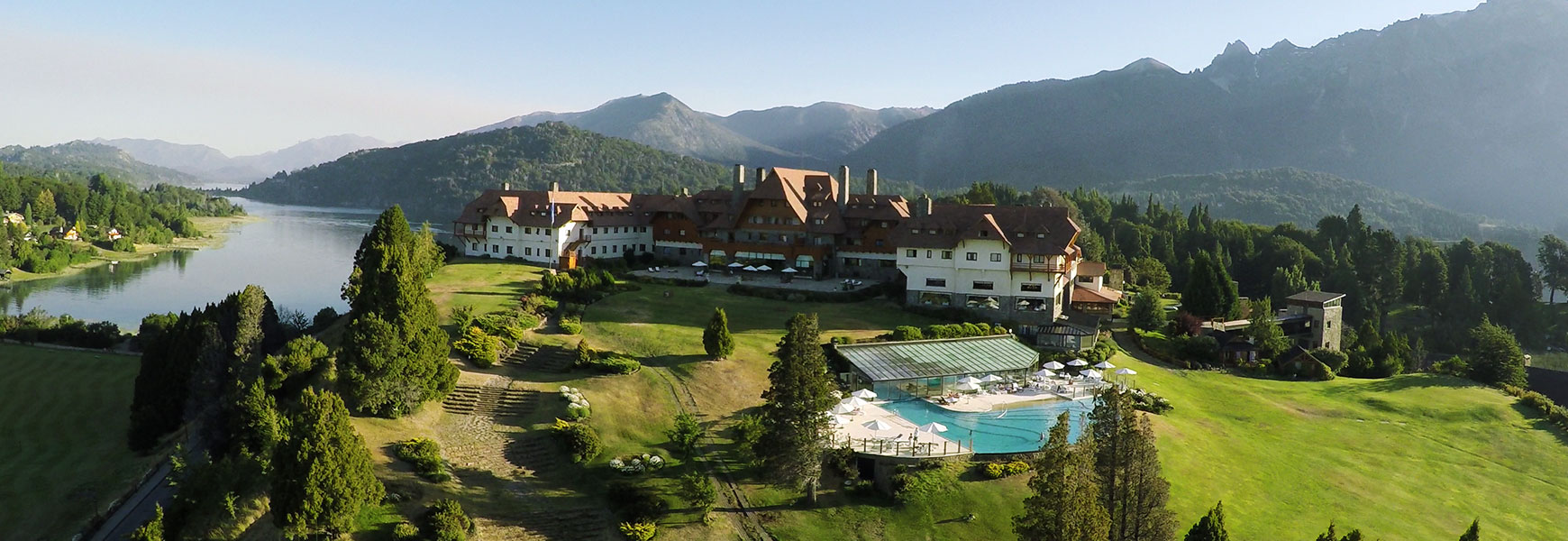
Best full-service destination resort
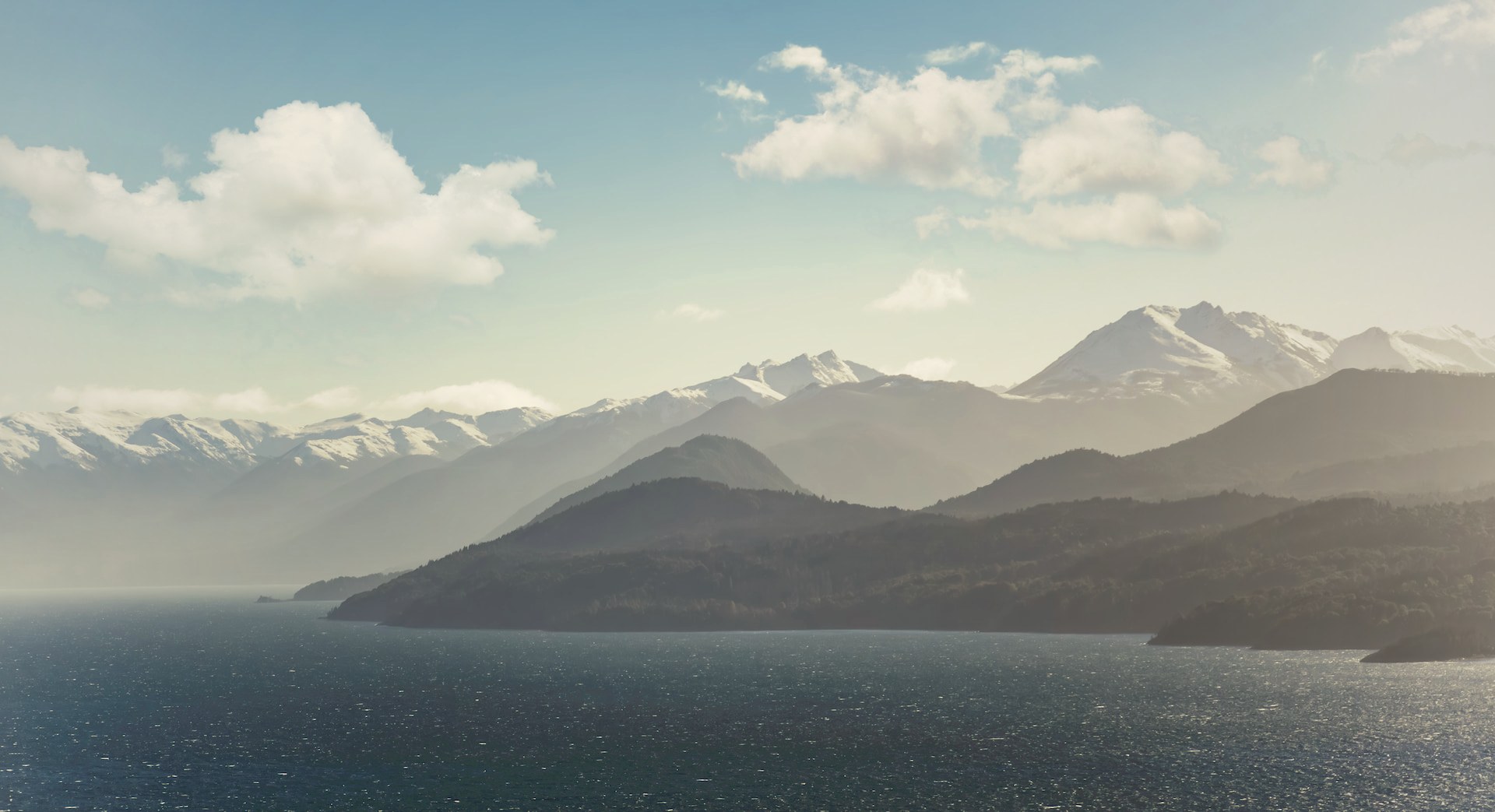
Best intimate high-end luxury stay
Best hostel for panoramic lake views
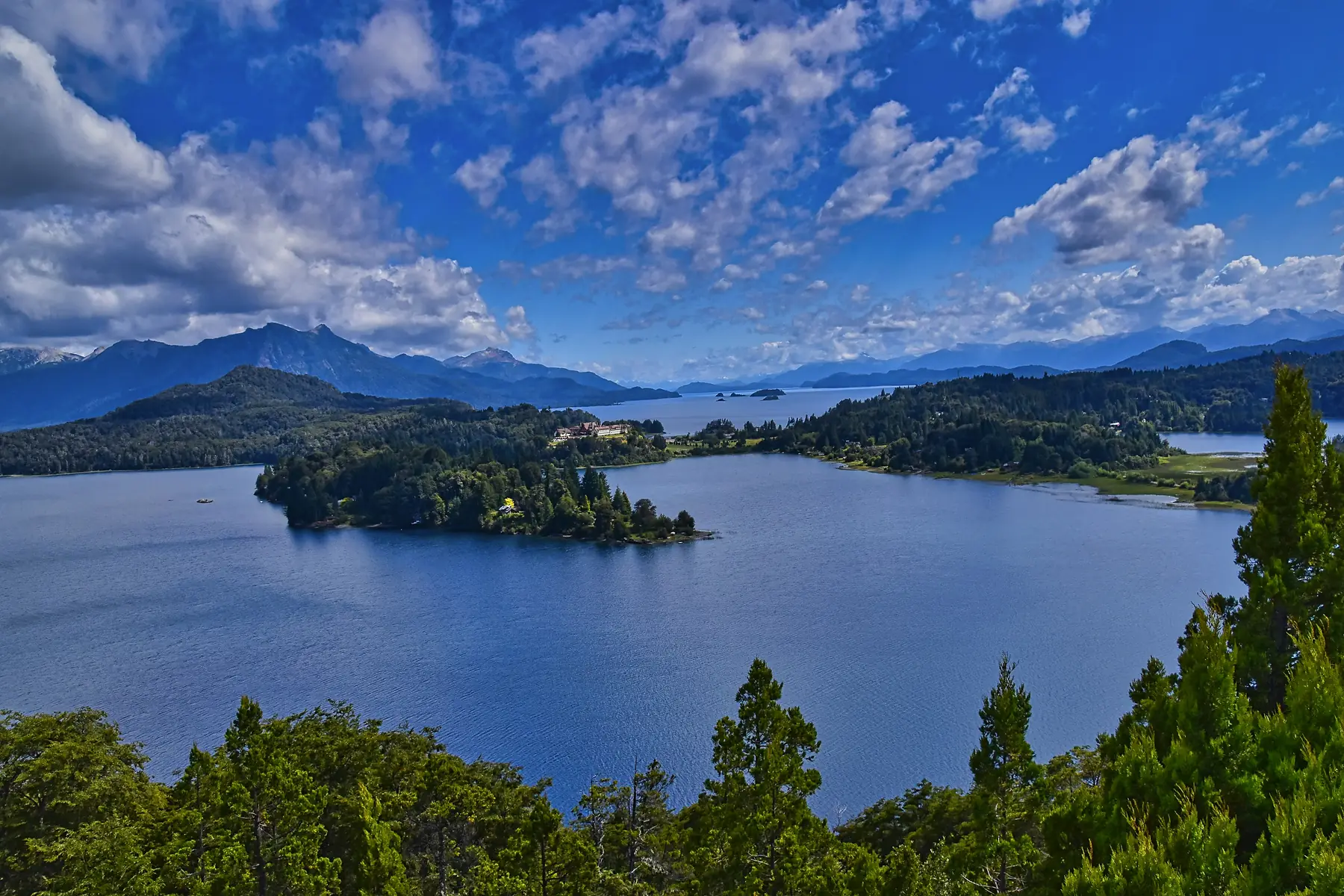
Best relaxed central hostel
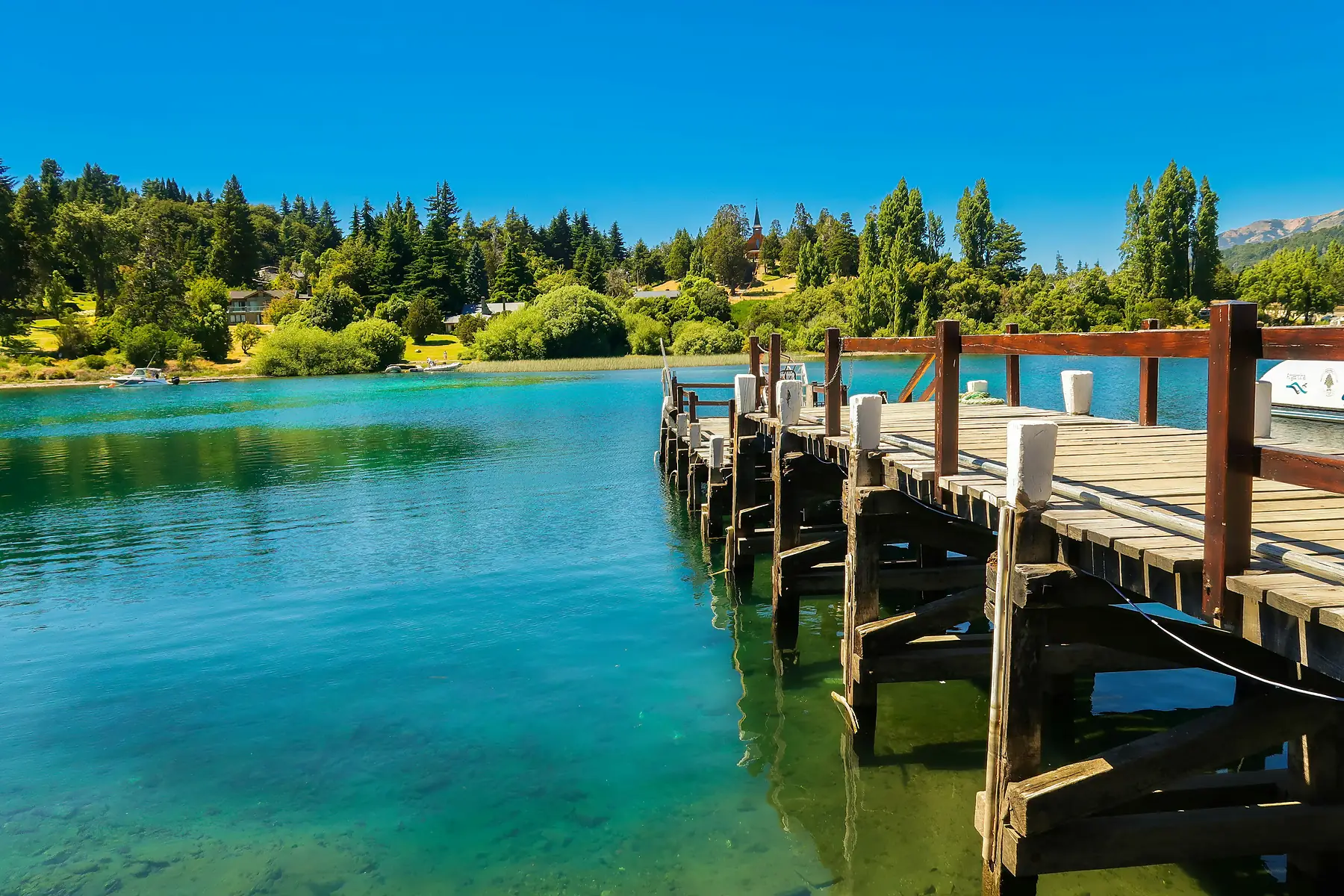
Best for meeting other backpackers
Best full-service destination resort
Best intimate high-end luxury stay

Best art-led luxury retreat
Best campsite for easy town access
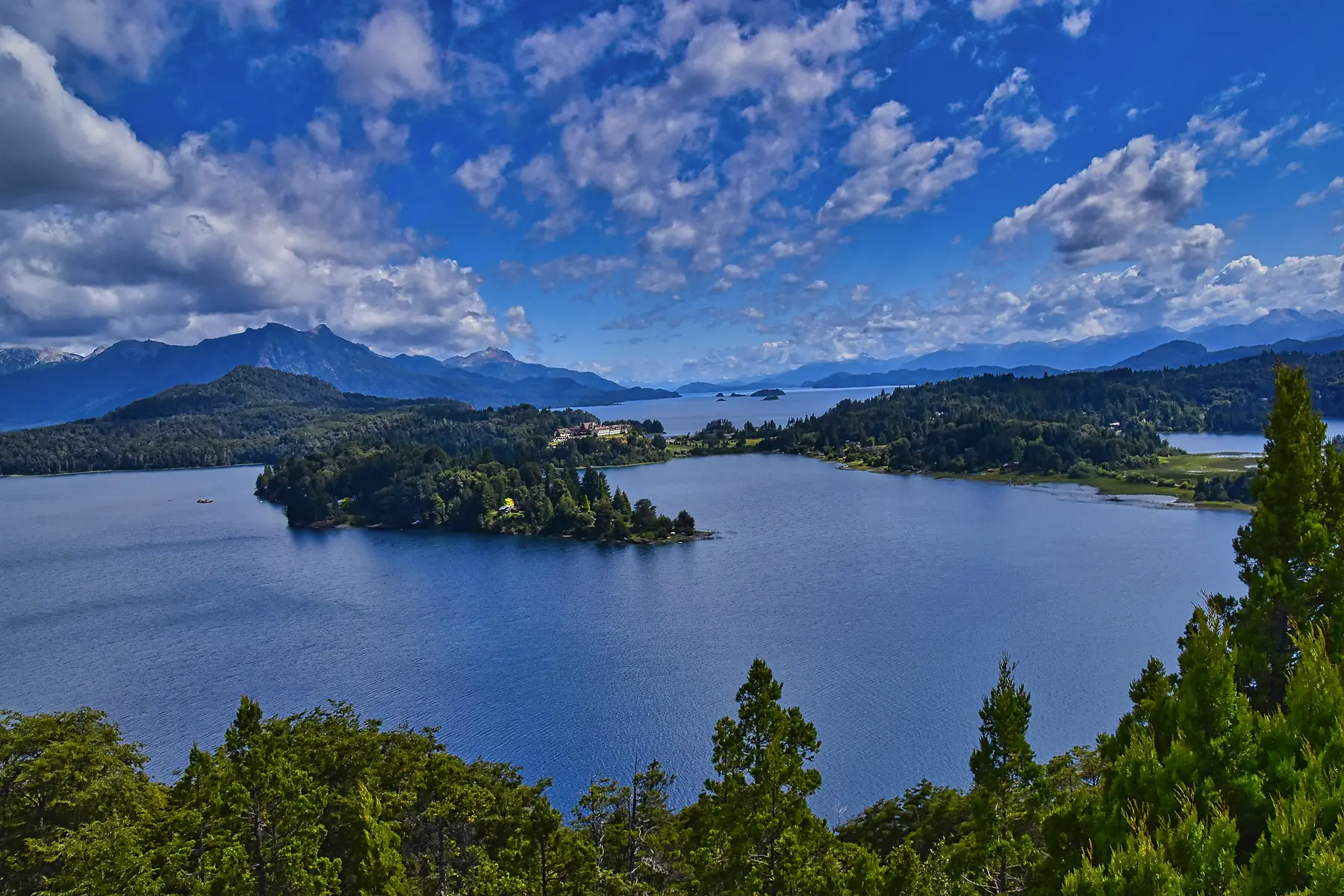
Best for a more self-contained camping plot

Best for Lake Gutiérrez and the Frey side
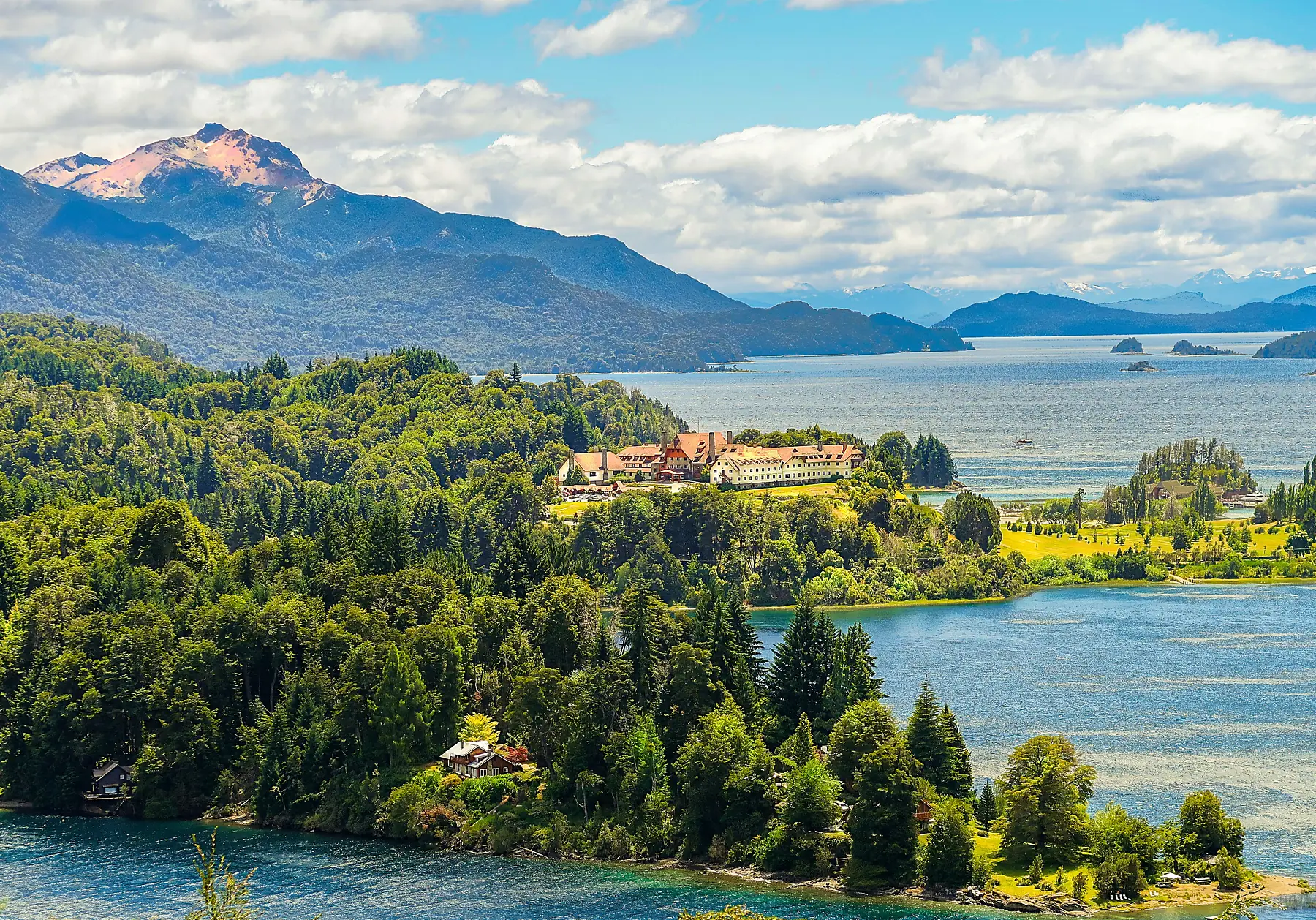
Bariloche does not use a traditional neighborhood grid once you leave the urban core. Instead, the city is organized along Avenida Bustillo, the primary artery that hugs the shoreline of Lake Nahuel Huapi. Addresses, bus stops, and even local landmarks are identified by their distance from the Centro Cívico (the Civic Center), which is considered Kilometer 0.
When you see a hotel listed at “Km 4.5,” it means it is exactly 4.5 kilometers west of the town center. This system is vital for navigation because the difference between staying at Km 2 and Km 20 is the difference between a five-minute taxi ride and a 40-minute commute. The city is generally divided into three distinct zones: Downtown (Km 0), The Kilometers (Km 1 - 17), and the Llao Llao/Circuito Chico area (Km 18 - 25).
For a deep dive into how these distances affect your daily logistics and access to specific trailheads, see our detailed guide to Bariloche neighborhoods and logistics.
Staying in the city center is the best choice for first-time visitors and those traveling without a rental car. This area is centered around the stone-and-timber Civic Center and the main commercial street, Calle Mitre. Here, you are within walking distance of the city’s famous chocolate shops, craft breweries, and the central hub for the MiBus public transportation system.
The vibe in downtown is bustling and distinctly urban, with alpine-style architecture that gives way to mid-rise apartment blocks and hotels. While you lose the sense of Patagonian wilderness, you gain the convenience of being able to walk to dinner at 10:00 PM without worrying about bus schedules or driving on dark, winding roads. It is also the most practical base for those arriving by bus or train, as the main station is just a short taxi ride away.
If you are looking to keep costs down while staying in the heart of the action, explore our curated list of the best budget hotels and hostels in the center.
Stay Downtown if you don't have a car; choose the Kilometers if you want a lake view and quiet nights.
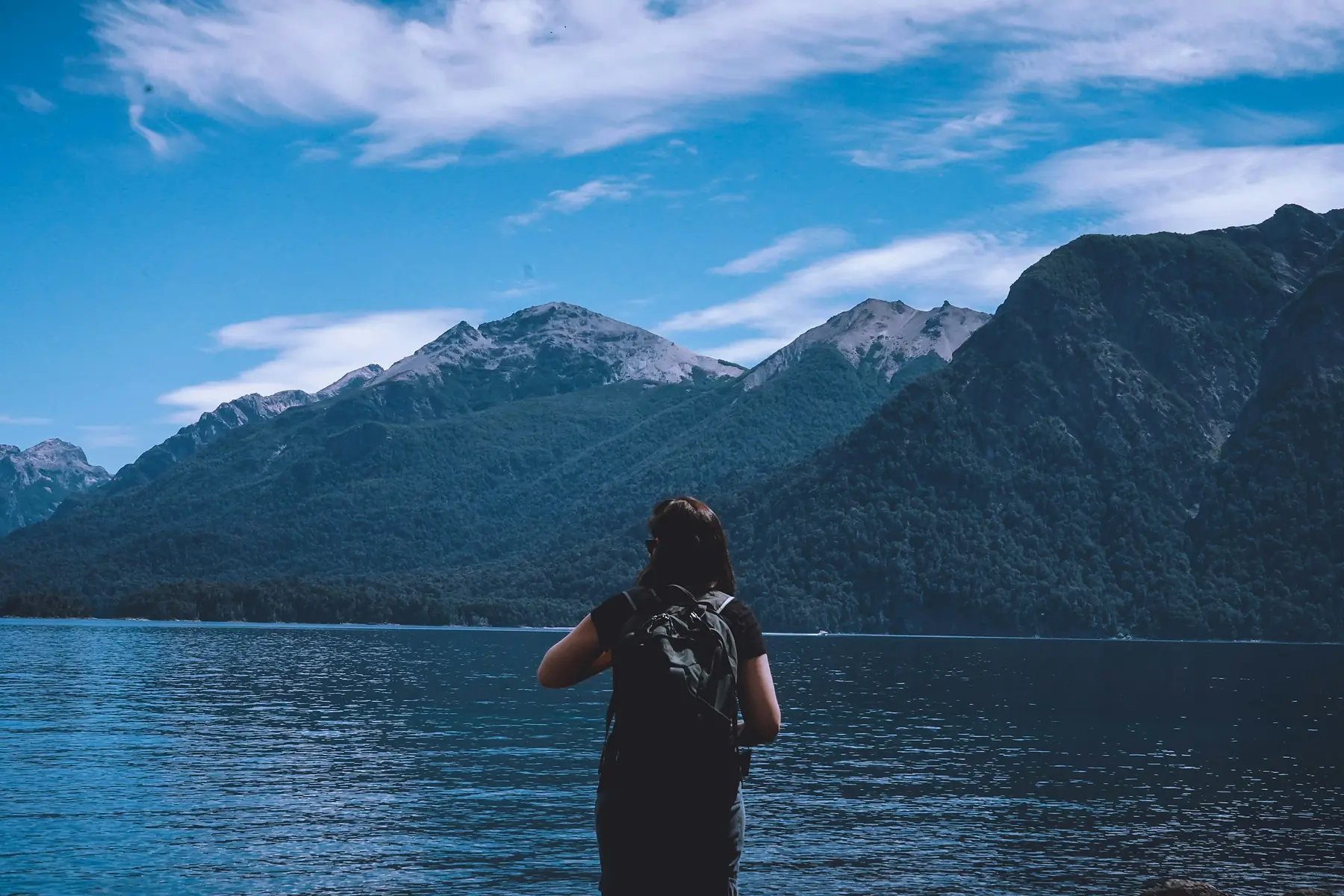
As you move west from the city center along Avenida Bustillo, the landscape shifts from urban density to residential greenery. The stretch between Km 1 and Km 12, encompassing neighborhoods like Melipal and Playa Bonita, offers a balance of accessibility and scenery. This is where you will find the classic Bariloche experience: boutique hotels and wooden cabins (cabañas) perched on the hillside with unobstructed views of the lake and the Andes.
Playa Bonita (Km 8) is a particularly popular sub-hub. It has its own small collection of restaurants, a grocery store, and a pebble beach that serves as a launch point for kayaking. Staying in this middle ground allows you to escape the city noise while remaining a 10 - 20 minute drive or bus ride from the restaurants of downtown, depending on traffic.
For those seeking a more refined stay in this area, we have compiled a guide to the top-rated boutique hotels and mid-range lodges located along this scenic stretch.
The Llao Llao peninsula, located between Km 18 and Km 25, is the most dramatic and secluded part of Bariloche. This is the site of the iconic Llao Llao Hotel & Resort, but the area also hosts several high-end, intimate lodges tucked away in the Coihue forests. Staying here places you at the doorstep of the Circuito Chico, where many of the region’s best short hikes, such as Cerro Llao Llao and the bridge at Arroyo Angostura, are located.
The trade-off for this beauty is isolation. You are approximately 30 - 45 minutes from the city center, and dining options outside of your hotel are limited. While the small village of Colonia Suiza is nearby, it is only fully active on Wednesdays and Sundays for its traditional curanto market. This area is ideal for honeymooners, luxury travelers, or hikers who want to wake up at the trailhead and avoid the daily commute from town.
To see the most prestigious properties in this area, browse our selection of the most exclusive luxury resorts and lakefront stays.

Villa Catedral is a dedicated village located at the base of Cerro Catedral, South America’s largest ski resort. Situated approximately 19 - 20 kilometers from the city center, it is a specialized hub that functions very differently depending on the season.
In the winter (late June through September), Villa Catedral is the most desirable place to stay for skiers and snowboarders. Staying here allows you to walk to the lifts, avoiding the “Bustillo bottleneck” — the notorious morning traffic jam of thousands of people trying to get from the city to the mountain. In the summer, the village becomes a quiet, almost “ghost town” environment. While it offers excellent access to the Frey Hut trailhead, most summer visitors find it too far from the lake and city amenities to be a practical base.
If you are planning a winter visit, you may also want to check our guide to things to do in Bariloche for more information on ski passes and equipment rentals.

Bariloche offers a wider variety of accommodation types than almost anywhere else in Patagonia. Understanding the local terminology will help you book the right space for your group.
If you are traveling on a tighter budget but still want a social atmosphere, we have a dedicated guide to finding the best hostels in Bariloche.
Navigating Bariloche requires some local knowledge, especially when comparing transport and the final price shown by Argentine booking systems.
If you are not renting a car, you must obtain a SUBE card to use the MiBus system. These cards can be difficult to find at times; try to purchase one at the airport or the main bus terminal upon arrival. The buses are reliable but can be extremely crowded during the summer and winter peaks. For more on arrival logistics, see our guide on arriving in Bariloche by flight or bus.
Tax eligibility and payment rules can change. Ask the property whether the displayed total includes IVA, what documentation is required, and whether your chosen payment method qualifies for any visitor treatment before booking.
Avenida Bustillo is a two-lane road that serves as the only way in and out for thousands of residents and tourists. During peak hours (8:00 - 10:00 AM and 6:00 - 8:00 PM), traffic can move at a crawl. If you have a flight to catch or a tour starting at a specific time, always allow an extra 30 - 45 minutes if you are staying beyond Km 5.
ANSWER: Downtown (near the Civic Center) is best for first-timers because it is walkable and provides easy access to all public transportation, restaurants, and chocolate shops. It serves as a convenient hub for exploring the wider region without needing a car.
ANSWER: Stay in the city center or within the first 4 - 5 kilometers of Avenida Bustillo to ensure you are on the main MiBus routes and within reasonable taxi distance of major sites. Being near the center ensures you have the highest frequency of bus options for reaching the mountains and lakes.
ANSWER: The city center is very walkable, but the wider Bariloche area is sprawling; you will need a car or public transport to reach the best hikes and lake viewpoints. Most of the famous scenic spots are located 15 - 25 kilometers away from the urban core.
ANSWER: Villa Catedral is the best place to stay for skiing, as it is located at the base of the Cerro Catedral lifts, allowing you to avoid the heavy morning traffic from the city. This allows for “ski-in, ski-out” convenience that you won’t find staying downtown.
ANSWER: Most budget-friendly hostels and guesthouses are located in the downtown area, though there are several excellent campsites located further out along the Circuito Chico. The area just a few blocks uphill from the Civic Center is particularly known for its high concentration of hostels.
ANSWER: The most famous luxury option is the Llao Llao Hotel & Resort (Km 25), but there are numerous high-end boutique lodges located along the shores of Lake Nahuel Huapi between Km 7 and Km 25. These smaller lodges often offer more privacy and direct lake access compared to the larger resorts.


