

Hikes
Multi-day circuits, iconic day hikes and remote frontiers across Chile and Argentina.
Patagonia Hikes: The Ultimate Trekking Directory
Most hiking trips to Patagonia come down to one choice: a booked, hut-to-hut trek through Chile's Torres del Paine, or a week in Argentina's El Chaltén, walking out of town to a different peak each day. Both are world class and only a day's bus ride apart, so plenty of people do both, while the quieter treks of Aysén and Tierra del Fuego reward those who want wilder country.
This guide compares the big multi-day treks and the best day hikes side by side, then covers when to go, what needs booking, whether to go guided and what to pack, with a link to our full guide for every trail.
Trekking At A Glance
- Most Famous Hike The W Trek, Torres del Paine (4 or 5 days)
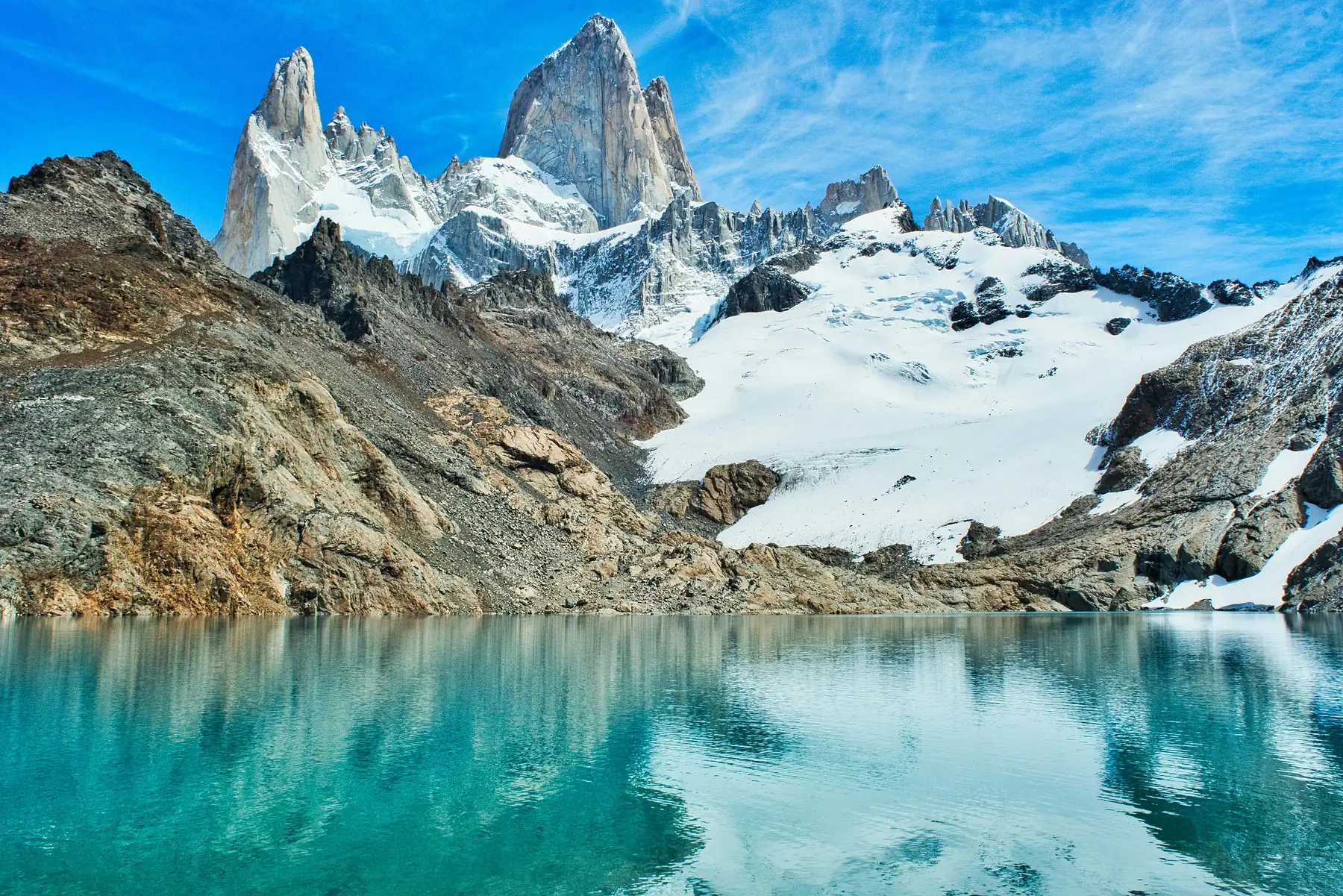
- Best Day Hike Laguna de los Tres, El Chaltén (about 20 km return)
- Trekking Season November to March
- Booking Window Months ahead for Torres del Paine; none for most El Chaltén trails
- Hardest Trek Huemul Circuit (technical, 4 days)
- Hiking Bases Puerto Natales and El Chaltén




No hikes match your filters. Try broadening your selection.
Patagonia's Best Multi-Day Treks Compared
Patagonia's classic treks range from the W, with beds and hot meals every night, to routes where you carry everything and find your own way. Start with the W unless you have done several backcountry treks before.
Our best multi-day treks ranking adds the remote routes, including Jeinimeni to Avilés and the border crossing from Villa O'Higgins to El Chaltén.
The Best Day Hikes in Patagonia
You do not need to carry a heavy pack for a week to see the best of Patagonia. The two most famous viewpoints, Fitz Roy and the Base of the Towers, are both long single days, and El Chaltén has enough trails for a week of day hikes from one bed.
Compare all twelve in our best day hikes in Patagonia, or narrow it down by place with the El Chaltén and Torres del Paine hiking shortlists.
Chile vs. Argentina: Two Faces of Patagonia Hiking
Verdict
Chile offers organised wilderness immersion; Argentina offers spontaneous freedom. Most trekkers visit both.
Torres del Paine: The Crown Jewel
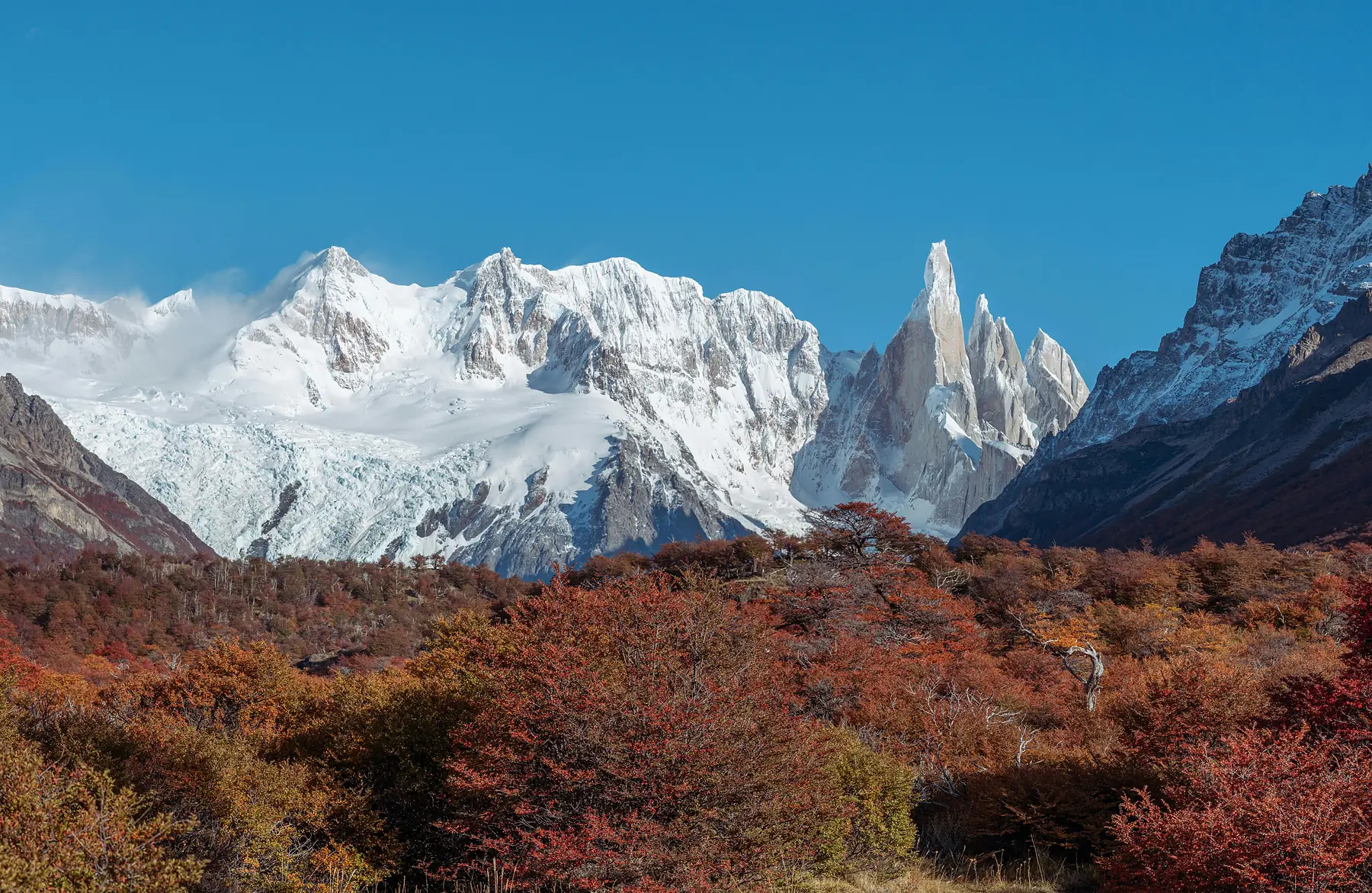
Torres del Paine is the most iconic hiking destination in the world, defined by its three granite towers and the turquoise waters of Lake Nordenskjöld. Its two great treks are the W Trek (four or five days) and the O Circuit (seven to nine days), and the Base of the Towers and Grey Glacier can also be done as day hikes.
Booking your accommodation is the most critical part of planning. Reservations for refugios and campsites typically open in waves between April and June for the following season and sell out months in advance.

El Chaltén: Walk From Town
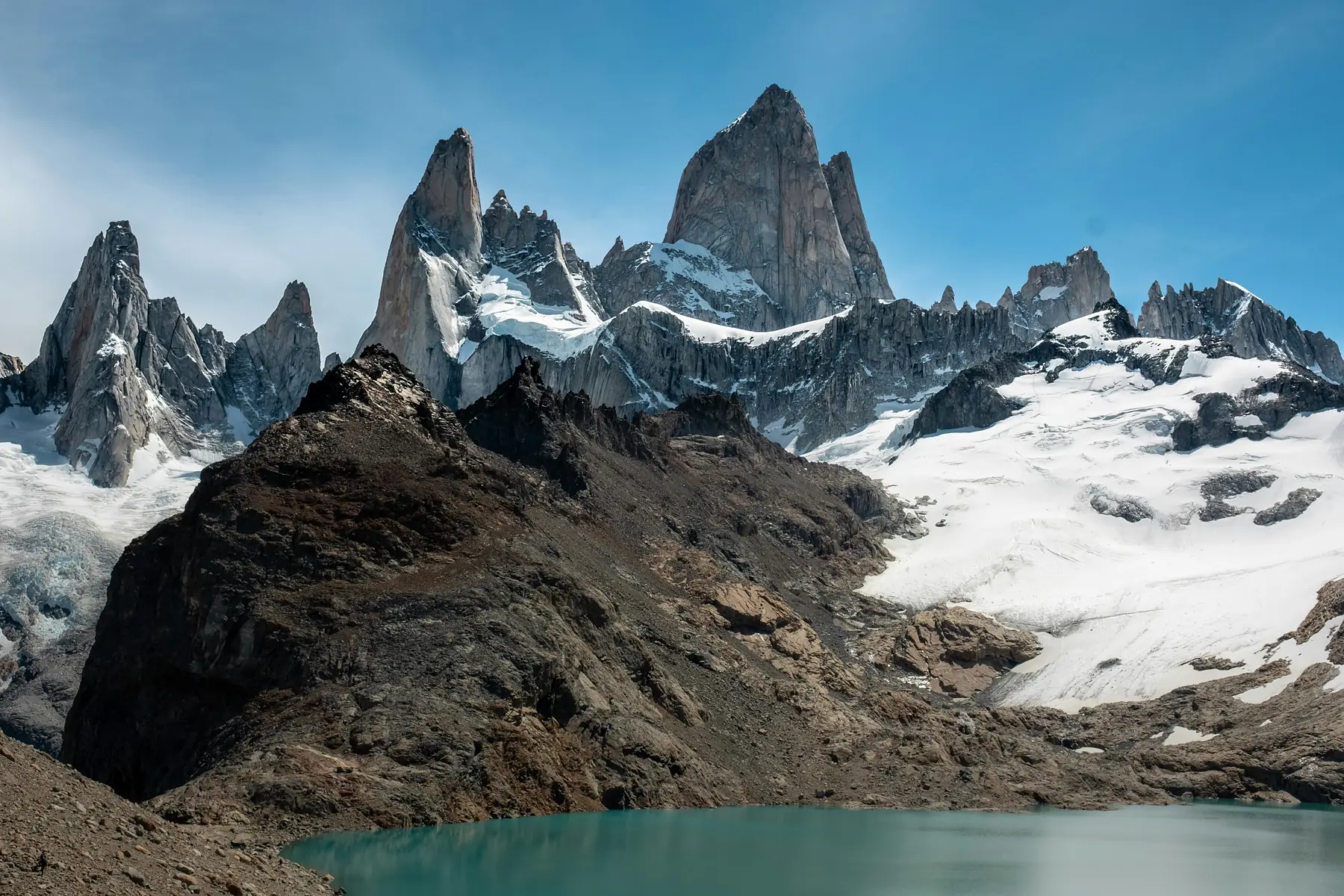
El Chaltén offers the most freedom of any hiking hub in Patagonia: trailheads for the Fitz Roy massif start at the end of the main streets. The two most iconic trails are the Laguna de los Tres (to Mount Fitz Roy) and the Laguna Torre trail.
This remains the ideal base for hikers who prefer the comfort of a bed and a hot meal in town every night. Compare the routes and shorter walks in our El Chaltén hiking guide.
Beyond Torres del Paine and El Chaltén
Tierra del Fuego. The trails around Ushuaia are short and muddy but beautiful, through beech forest to glacier lakes such as Laguna Esmeralda. Across the Beagle Channel, the Dientes de Navarino is the southernmost trek in the world and a serious undertaking.
Aysén and the Carretera Austral. Cerro Castillo is the best four-day trek outside the big two parks, over high passes to a glacier lake below a jagged basalt peak, with a fraction of the people. Patagonia National Park nearby has longer, emptier routes.
The Lake District. Around Bariloche, a network of mountain huts lets you hike from refugio to refugio through forest and granite, starting with Refugio Frey. Trekkers in Nahuel Huapi National Park must register their route online first.
Guided vs. Self-Guided
Verdict
Choose self-guided for El Chaltén and those who can book months ahead for Chile; choose guided for last-minute planning or increased safety.
For Torres del Paine, compare W Trek packages; for everything else, our Patagonia trekking tours guide covers the operators.
Bookings, Park Tickets and Rules
What you need to arrange depends on where you hike, and Torres del Paine is by far the strictest.
- Torres del Paine: buy park admission online through Pases Parques at least 24 hours ahead, even for a day hike. Every night on the W and O must be booked with the two accommodation companies before you start. See how to book the W Trek.
- El Chaltén: most trails need only the Los Glaciares park entry ticket, with separate reservations for the campsites in the mountains.
- Huemul Circuit: registration with the national park before setting out is mandatory.
- Cerro Castillo: pay the park entrance fee through Pases Parques or at the ranger station.
- Dientes de Navarino: register your route and equipment with the police in Puerto Williams first.
- Nahuel Huapi (Bariloche): register your trek online; it is free.
When to Hike in Patagonia
The hiking season is strictly dictated by the Southern Hemisphere summer, with a very narrow window for high-altitude passes. Most trekkers should aim for November to March.
January and February bring the longest days, with up to 18 hours of daylight, but also the busiest trails and the strongest winds, often 60 to 80 km/h on exposed ground. November, December and March are the sweet spot for many hikers, and April brings autumn colour with colder nights. In winter, the W generally needs an authorised guide and most high routes close. See the best time to visit Patagonia for month by month detail.

What to Pack for Hiking in Patagonia
Wind and rain matter more than cold. A properly waterproof jacket, warm layers you can add and remove quickly, broken-in boots and trekking poles for the steep descents will make more difference than any technical kit. On multi-day treks, add a tent that can take strong gusts if you are camping, and dry bags inside your pack.
Start with our Patagonia packing list, then the W Trek and day hiking lists, and our guide to layering for Patagonia.
Frequently Asked Questions
What is the most famous hike in Patagonia?
The W Trek in Chile's Torres del Paine National Park is the most famous hike in Patagonia, known for its iconic granite towers and glacial lakes. It offers a perfect balance of dramatic scenery and accessible infrastructure.
When is the best time for hiking in Patagonia?
The best time for hiking is during the Southern Hemisphere summer, from November to March, when trails are clear of snow and daylight hours are longest. Shoulder months like October and April are viable but colder.
Do I need a guide for hiking in El Chaltén?
No, most hikes in El Chaltén are well-marked and easily accessible from the town, making it the best destination for self-guided hiking in Patagonia. Park entrance fees are now required for the main trails.
How hard is the W Trek in Torres del Paine?
The W Trek is moderate to challenging for anyone with a baseline of fitness. It means four or five consecutive days of walking 11 to 20 km with a pack, with a steep, rocky climb to the Base of the Towers.
Are there multi-day hikes that don't require a tent?
Yes, the W Trek in Torres del Paine offers a network of refugios (mountain hostels) where hikers can sleep in beds and have meals provided, allowing you to complete the trek with only a daypack.
Can you hike in Patagonia without booking anything?
Yes, in El Chaltén. Most trails there start in town and need only the park entry ticket, so you can choose your hike the night before. Torres del Paine is the opposite: every night on the W or O must be booked, and even day hikers need a park ticket bought in advance.
Is Patagonia good for beginner hikers?
Yes. Laguna Torre, Laguna Esmeralda and the shorter walks around El Chaltén and Torres del Paine suit anyone used to a few hours on foot. The W Trek is a good first multi-day trek if you train beforehand, and refugios mean you do not need to carry a tent.
Chile or Argentina for hiking in Patagonia?
Choose Chile for Torres del Paine and a multi-day trek with huts and meals along the way. Choose Argentina for El Chaltén and free, flexible day hikes from a town base. They are a five to seven hour bus ride apart, so many trips include both.
What is the hardest hike in Patagonia?
The Huemul Circuit in Argentina is widely considered the hardest trek due to its technical terrain, river crossings via zip-lines, and exposure to extreme weather conditions.
Ready to Hit the Trail?
Browse our gear guides to make sure you're prepared for Patagonia's four-seasons-in-a-day weather.