

Patagonia’s best hostels offer more than a cheap bed. A useful kitchen, luggage storage, trek advice, a social common room and the right location can remove a surprising amount of friction from an overland trip.
The 15 recommendations below cover the main backpacker hubs in Chilean and Argentine Patagonia. We have separated lively hostels from calmer properties so you can choose for atmosphere as well as price.
TLDR. Choose Penthouse 1004 for Bariloche views, Folk for the El Calafate bus terminal, Patagonia Travellers’ Hostel for an all-round El Chaltén base, El Patagónico for trek preparation in Puerto Natales, or Antarctica Hostel for a sociable Ushuaia stay near the port.
Dorm-bed prices can be much lower than our private-room comparison bands. Compare the exact room type, bathroom arrangement, cancellation terms and kitchen access for your dates.
Best Hostels in Bariloche
Hospedaje Penthouse 1004
A central high-rise hostel whose common areas and selected rooms have dramatic city-and-lake views. The setting is the main draw, with a calmer atmosphere than a party hostel.

Periko's Youth Hostel
A long-running central hostel with a kitchen, garden and social activities. It is a good middle ground for solo travelers who want company and a proper night's rest.
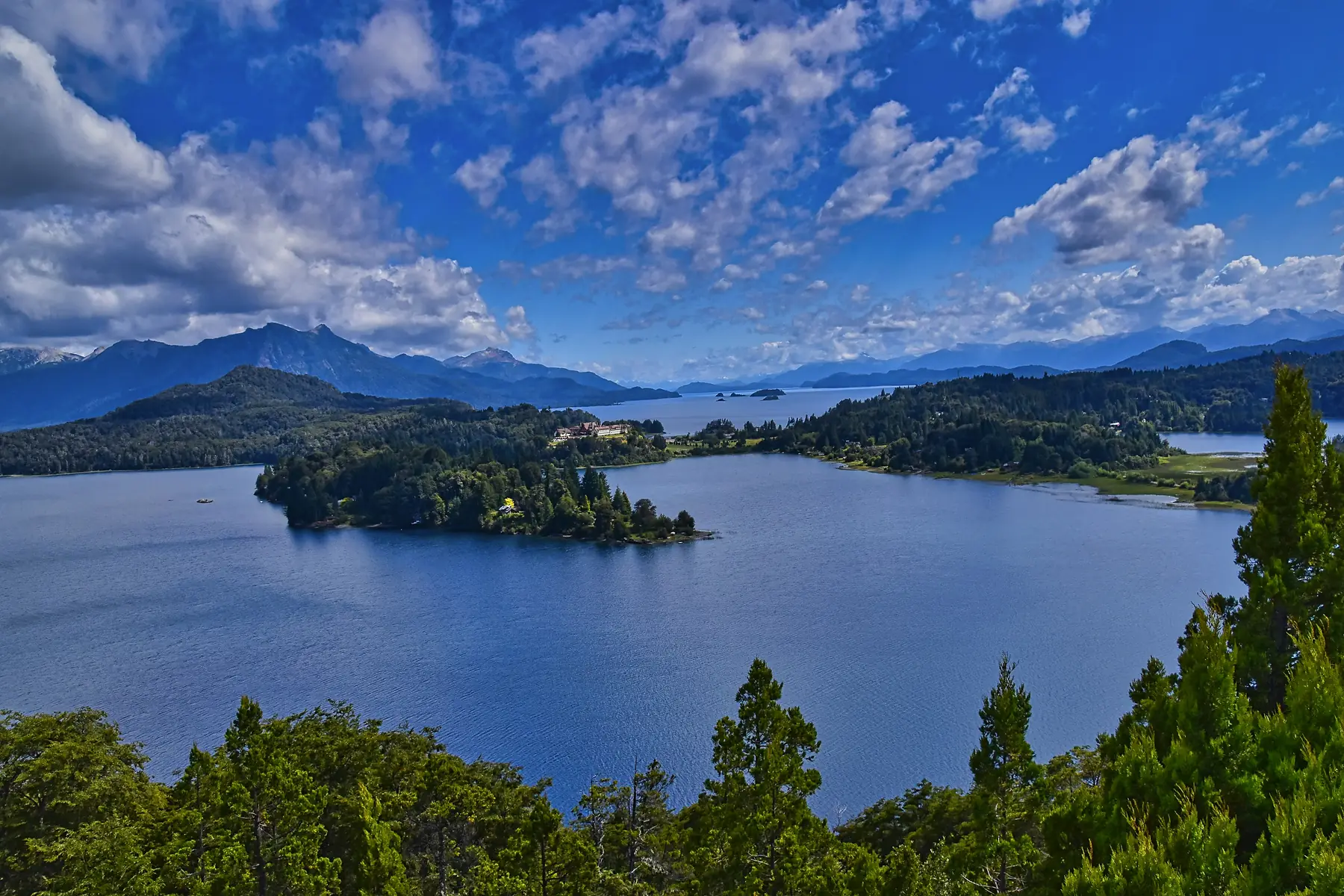
HOPA-Home Patagonia Hostel
A sociable backpacker hostel with a kitchen, shared spaces, dorms and private rooms. Choose it when interaction and day-trip logistics matter more than boutique polish.
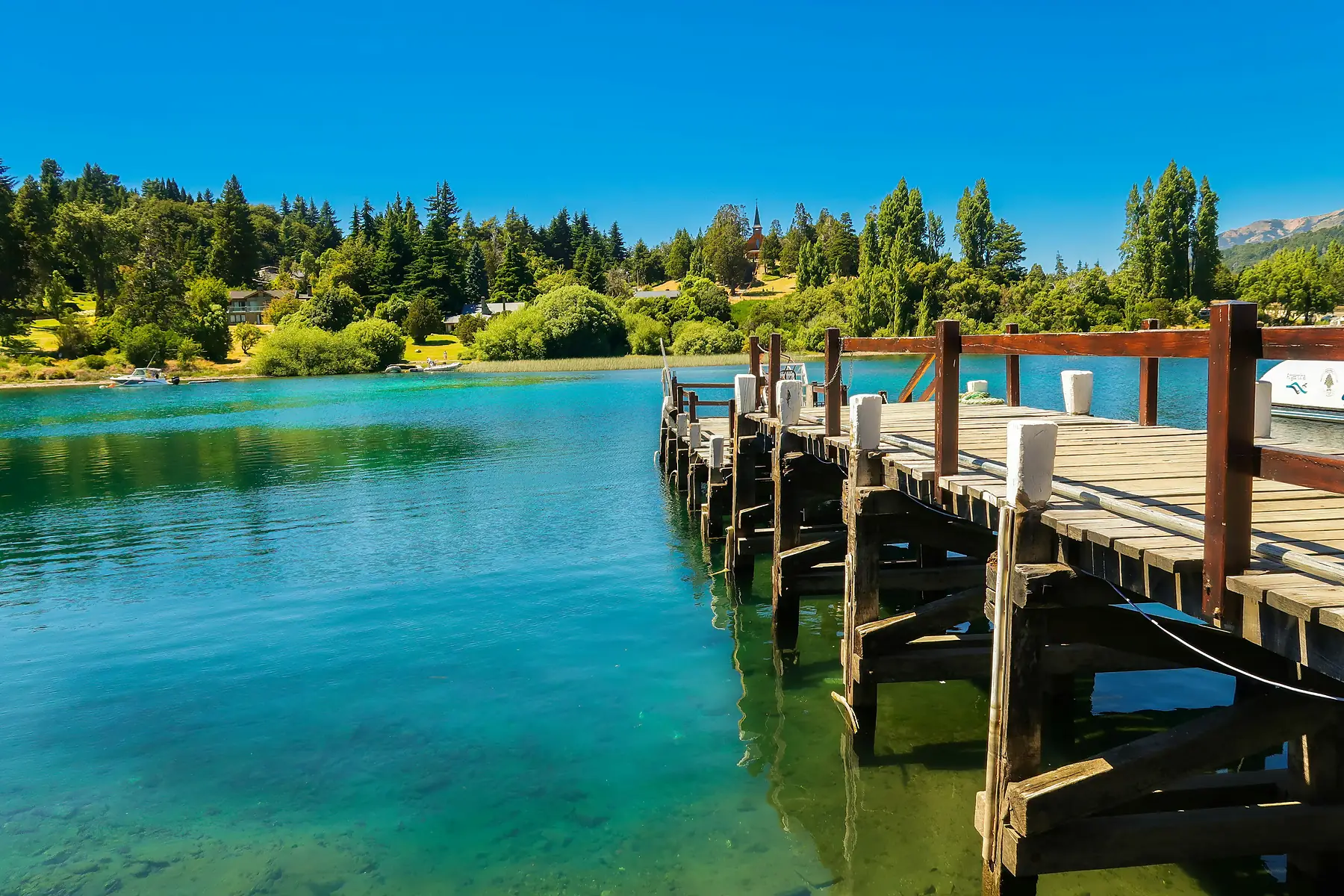
Best Hostels in El Calafate and El Chaltén
America del Sur Calafate Hostel
A hilltop hostel with panoramic views, a kitchen and a restaurant-bar that creates a genuine social center. The uphill walk is the main trade-off.
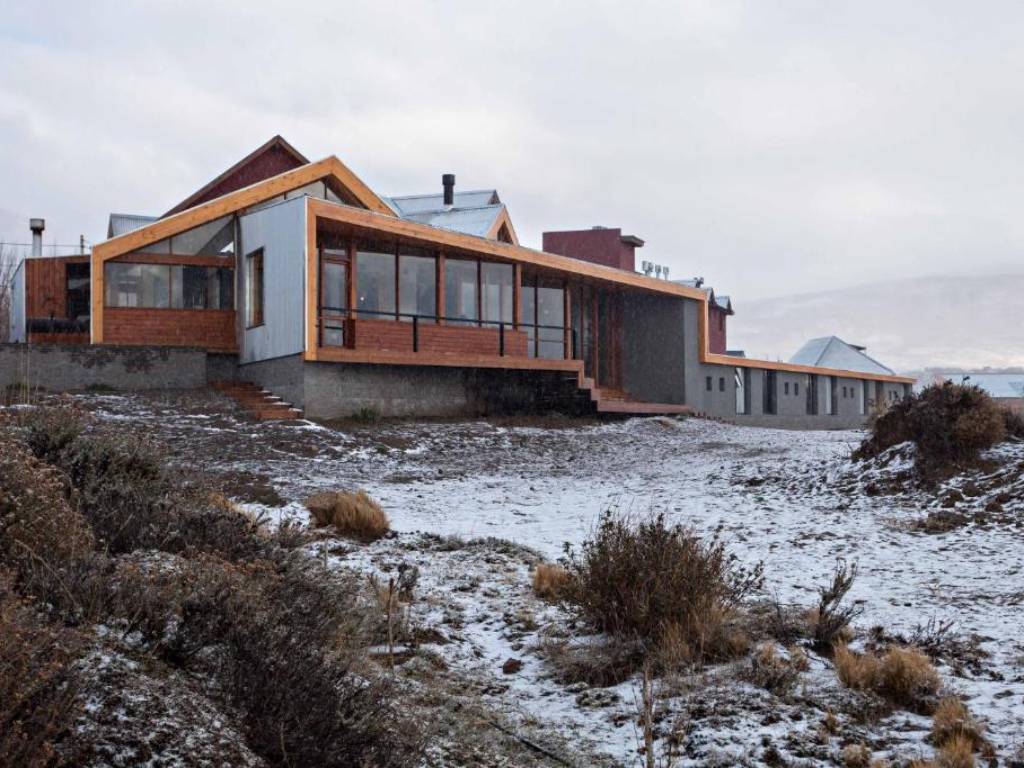
Folk Hostel
A bright modern hostel with a communal kitchen close to the terminal. It is the practical choice when an early bus or overland connection drives the itinerary.
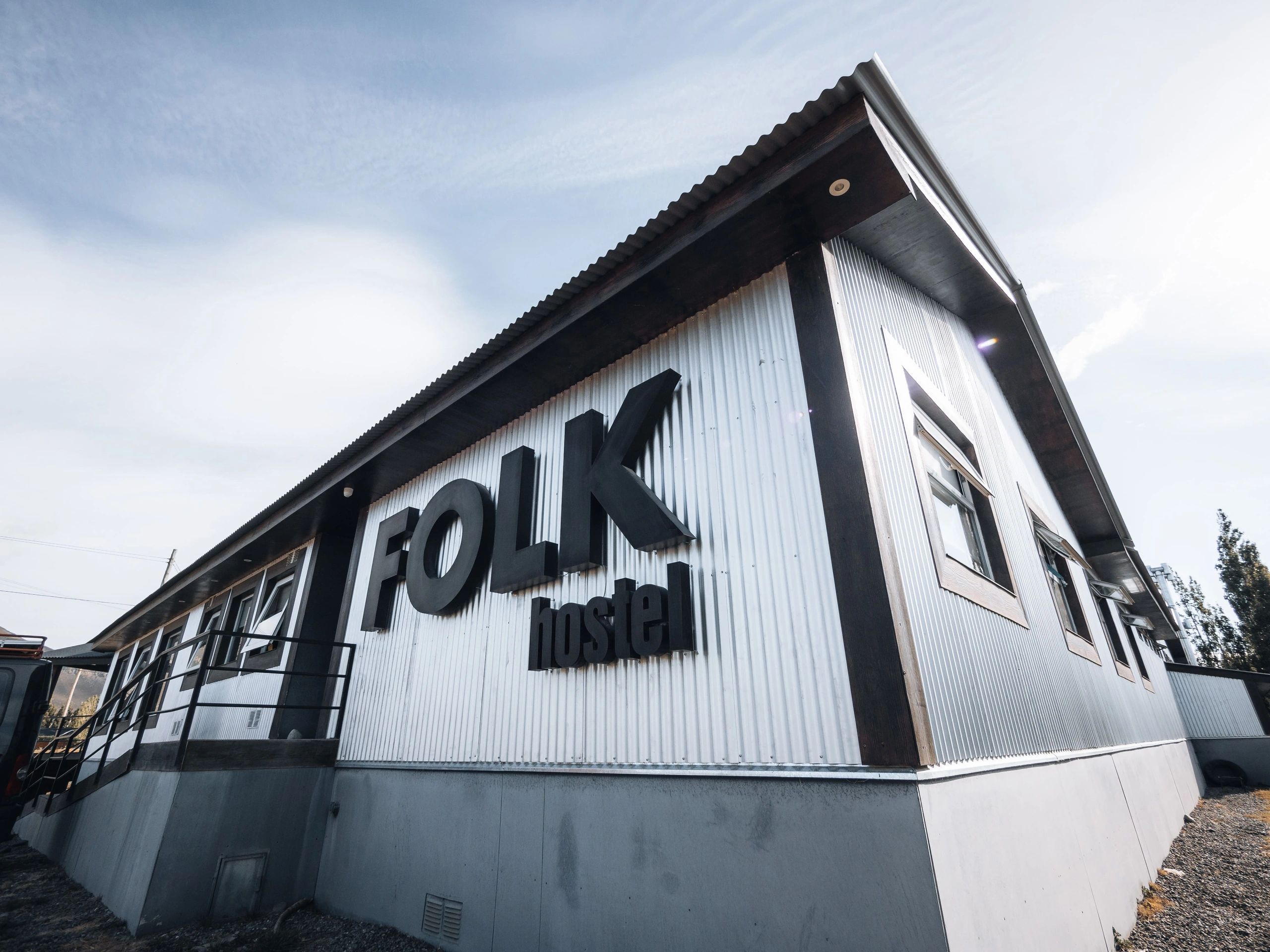
Hostel House 64Bigüa
A compact adults-only hostel with privacy curtains and two shared kitchens. It gives solo travelers and couples a calmer alternative to the large backpacker properties.
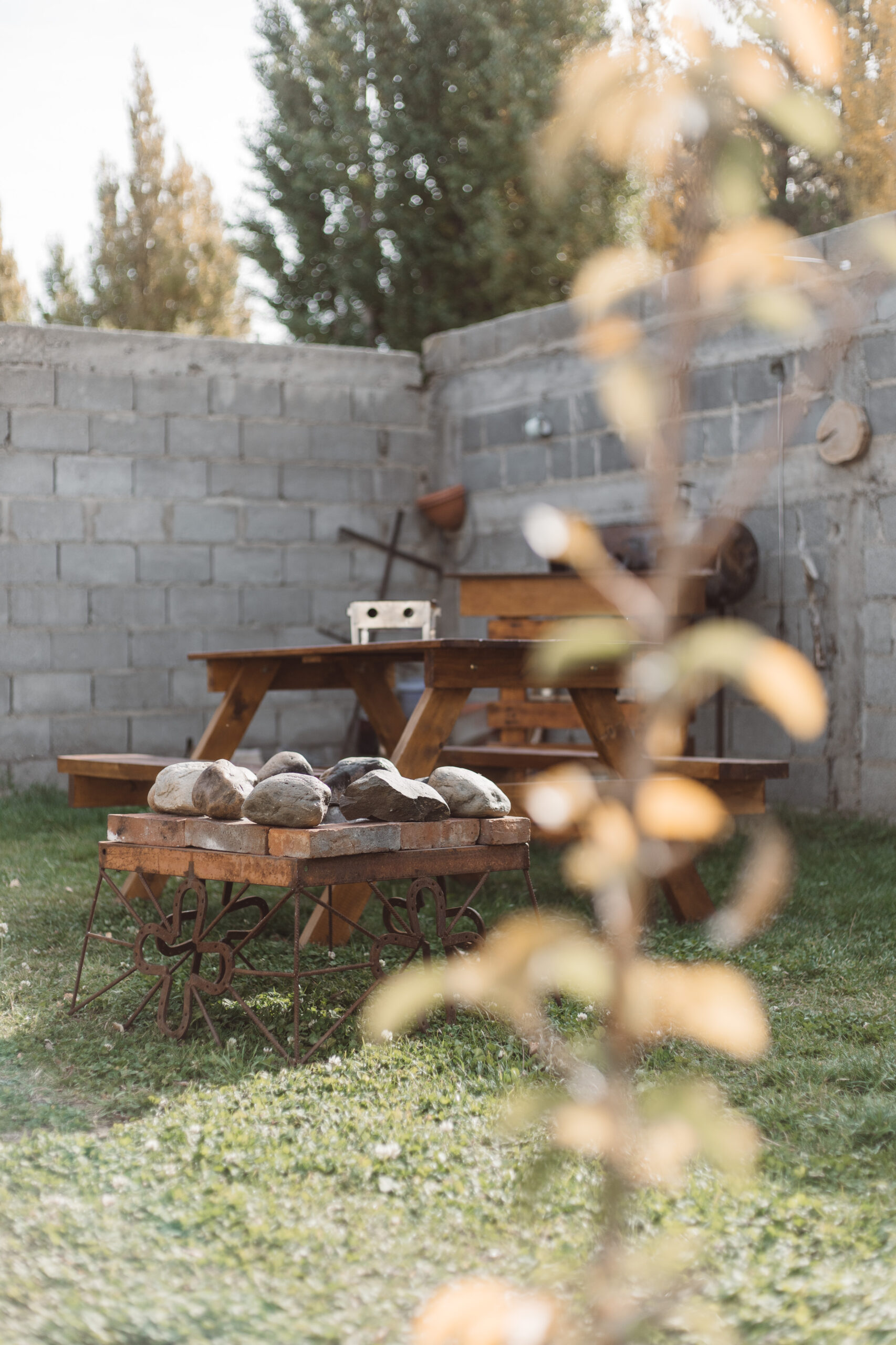
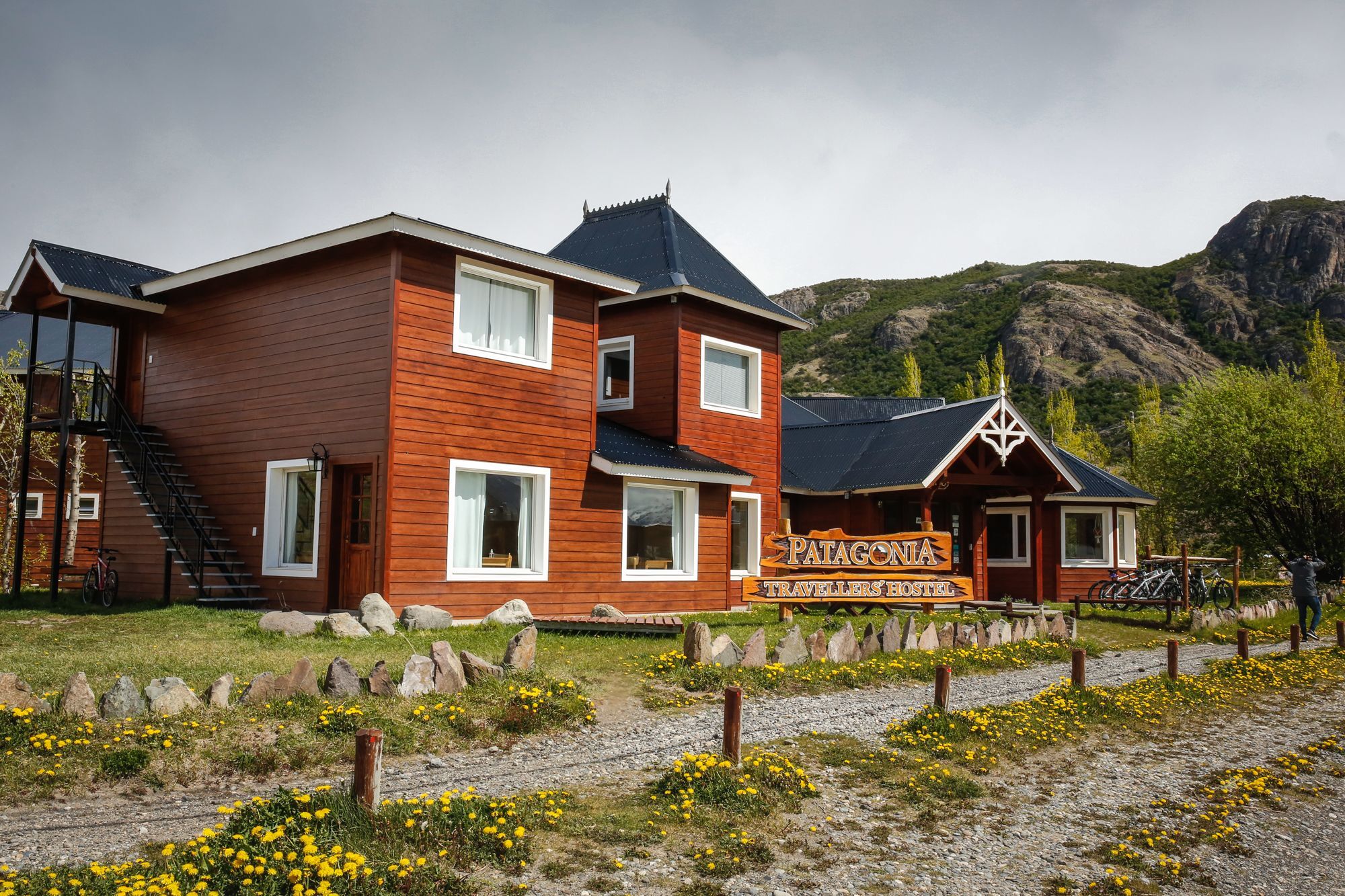
Patagonia Travellers' Hostel
A long-running main-street hostel with dorms, private rooms, kitchen, bar and restaurant. It is the easiest recommendation for sociability and everyday convenience.
Rancho Grande Hostel
A large trekker hostel near the northern trail access with a 24-hour restaurant, kitchens and luggage storage. It is particularly practical for solo hikers and late arrivals.
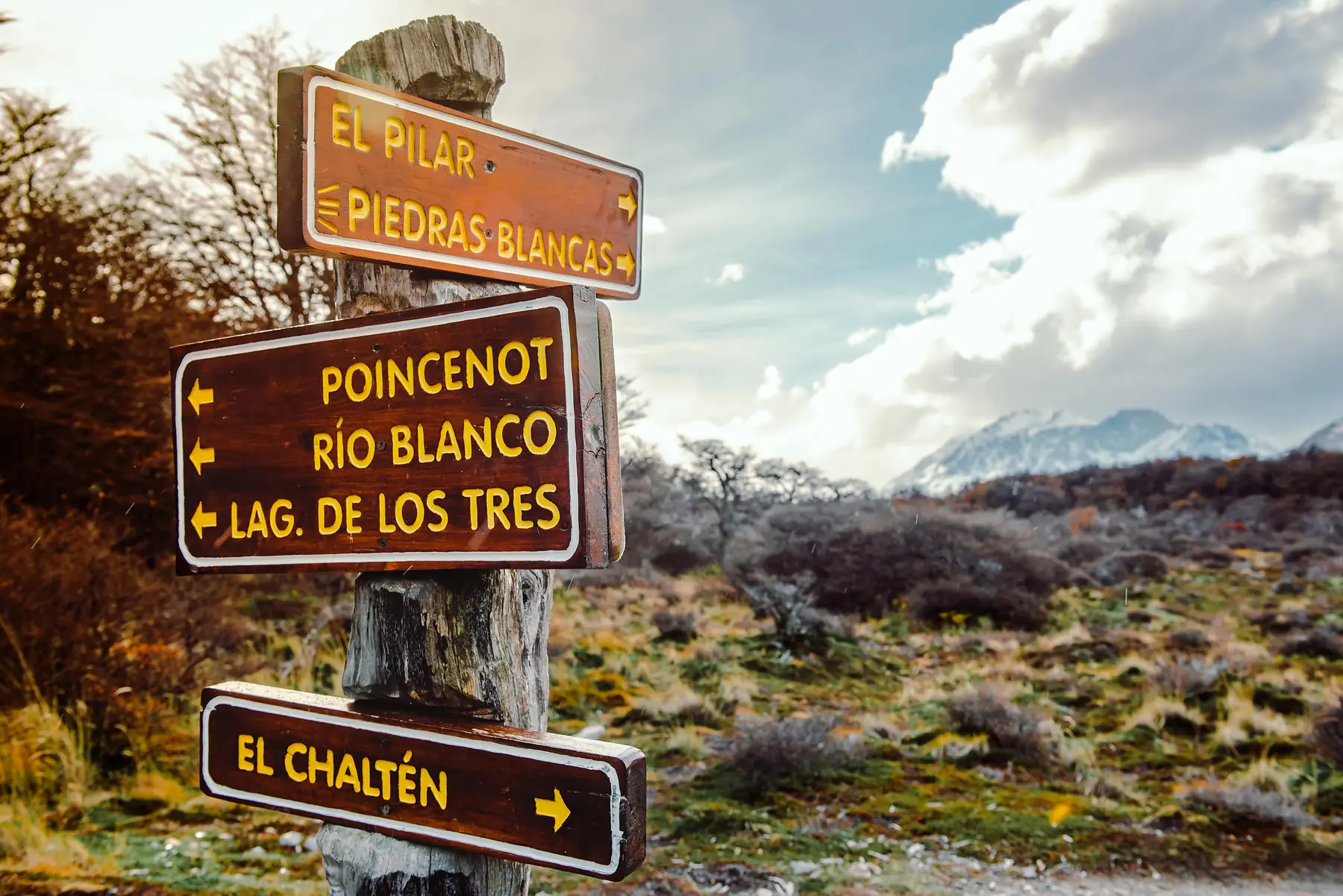
Cóndor de los Andes
A calmer backpacker base near the terminal with a kitchen, warm common area, dorms and private rooms. Choose it for arrival-day convenience without the busiest hostel atmosphere.
Best Hostels in Puerto Natales and Ushuaia
El Patagónico Hostel
A family-run hostel with a kitchen, luggage storage, equipment rental and practical trip help. Early breakfast and the location make it especially useful before Torres del Paine.
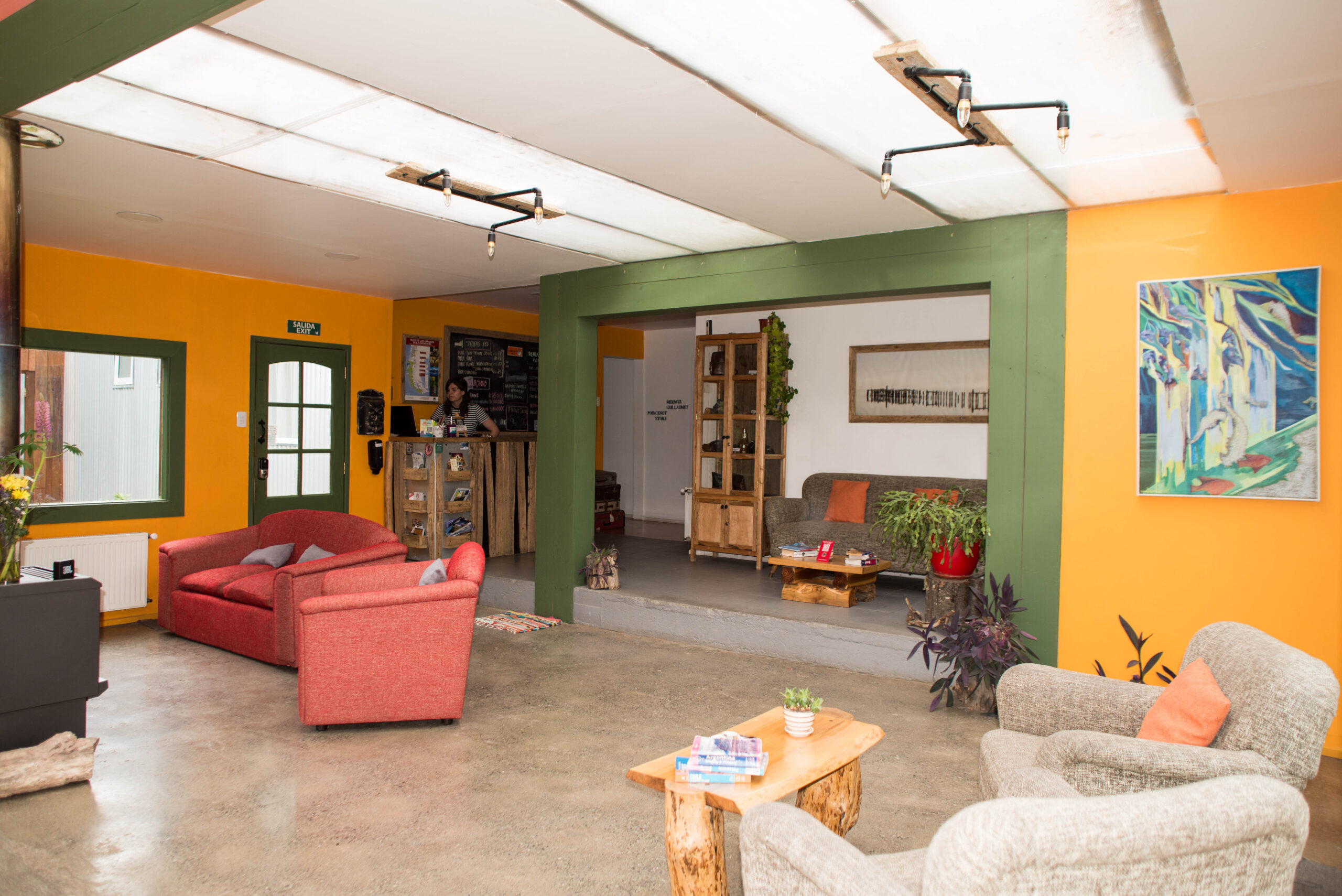
YaganHouse
A sustainability-focused hostel with a kitchen, lounge, garden and private-room options. Its central setting suits travelers finishing supermarket and gear-shop errands.
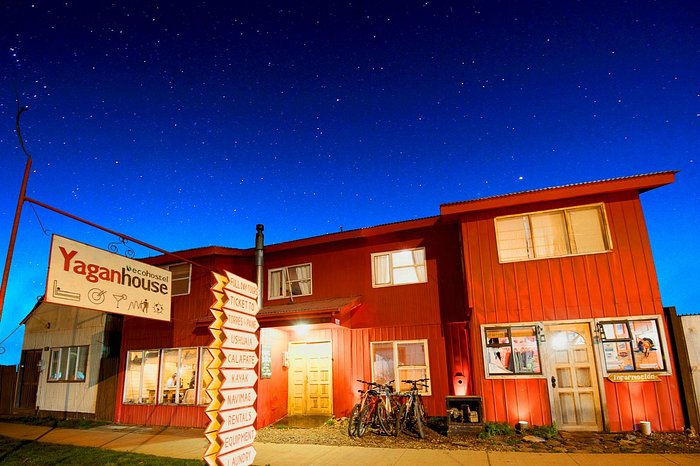
Puma House
A warm hostel with a kitchen, lounge and private and shared rooms. It is calmer than the main social hostels while remaining practical for the Rodoviario.

Antarctica Hostel
A polished sociable hostel near the waterfront and Maritime Museum, with a kitchen, barbecue area and lockers. It is an easy first choice for solo travelers.
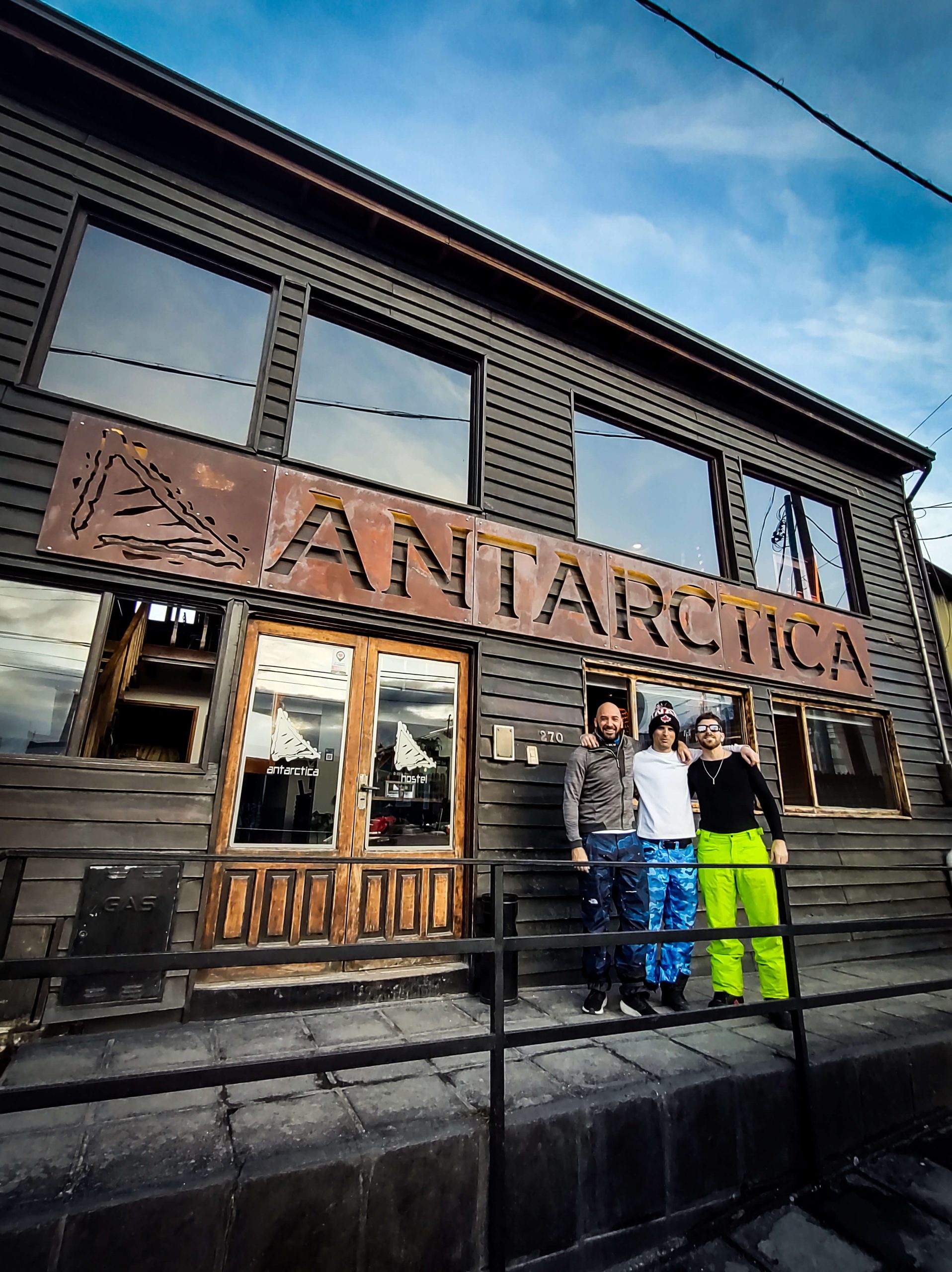
Oshovia Hostel
A modern adults-only hostel with privacy-curtain dorms, private rooms, a strong kitchen and comfortable common spaces. It provides a calmer alternative to the central backpacker hostels.

Anum Hostel
A central hostel with capsule-style dorm beds, private and family rooms, breakfast, a kitchen and coworking space. Its modern facilities suit first-time visitors and longer stays.
How to Choose a Patagonia Hostel
Patagonia Hostel Essentials
- Price check: Compare the final rate for your dates and whether breakfast, towels or taxes are included
- Peak Season: December to February; book early in high-demand trekking towns
- Primary Hubs: El Chaltén, Puerto Natales, Bariloche, El Calafate
- Must-Have: A high - quality padlock and a sleeping bag liner (though linens are provided)
- Key Perk: A genuinely usable kitchen can reduce food costs and simplify early trail starts
The Patagonia Hostel Landscape: Town Hostels vs. Mountain Refugios
Understanding the difference between a town hostel and a mountain refugio is critical for your budget and your packing list. Town hostels are traditional backpacker hubs located in cities like El Calafate or Puerto Natales. They offer full kitchens, social bars, and easy booking through standard platforms. Most importantly, they almost always offer private rooms for those who want the social atmosphere without the shared sleeping quarters.
Mountain refugios along routes such as the W Trek are remote backcountry lodges with a different booking and service model. Check meal, bedding and connectivity products through the current park operators rather than comparing them directly with town hostels.
- Cost: Compare current town-hostel rates vs. higher remote-operations pricing
- Kitchens: Fully equipped communal kitchens vs. Vertice sites have designated cooking areas (06:30–22:00); Las Torres sites generally require meal plans
- Connectivity: Usually free, decent Wi-Fi in hostels vs. 30 minutes free at your first Vértice refugio stay, with other trail WiFi access paid
- Booking: Booking.com / Hostelworld vs. Direct via Vértice or Las Torres 6+ months out
Stay in town hostels for comfort and value; use refugios only when the trail requires it.
If you are planning to hike the famous trails of Torres del Paine, you will need to navigate the complex refugio system. For a deep dive into those specific logistics, see our dedicated guide:

Best Hostels in El Chaltén (The Hiking Capital of Argentina)
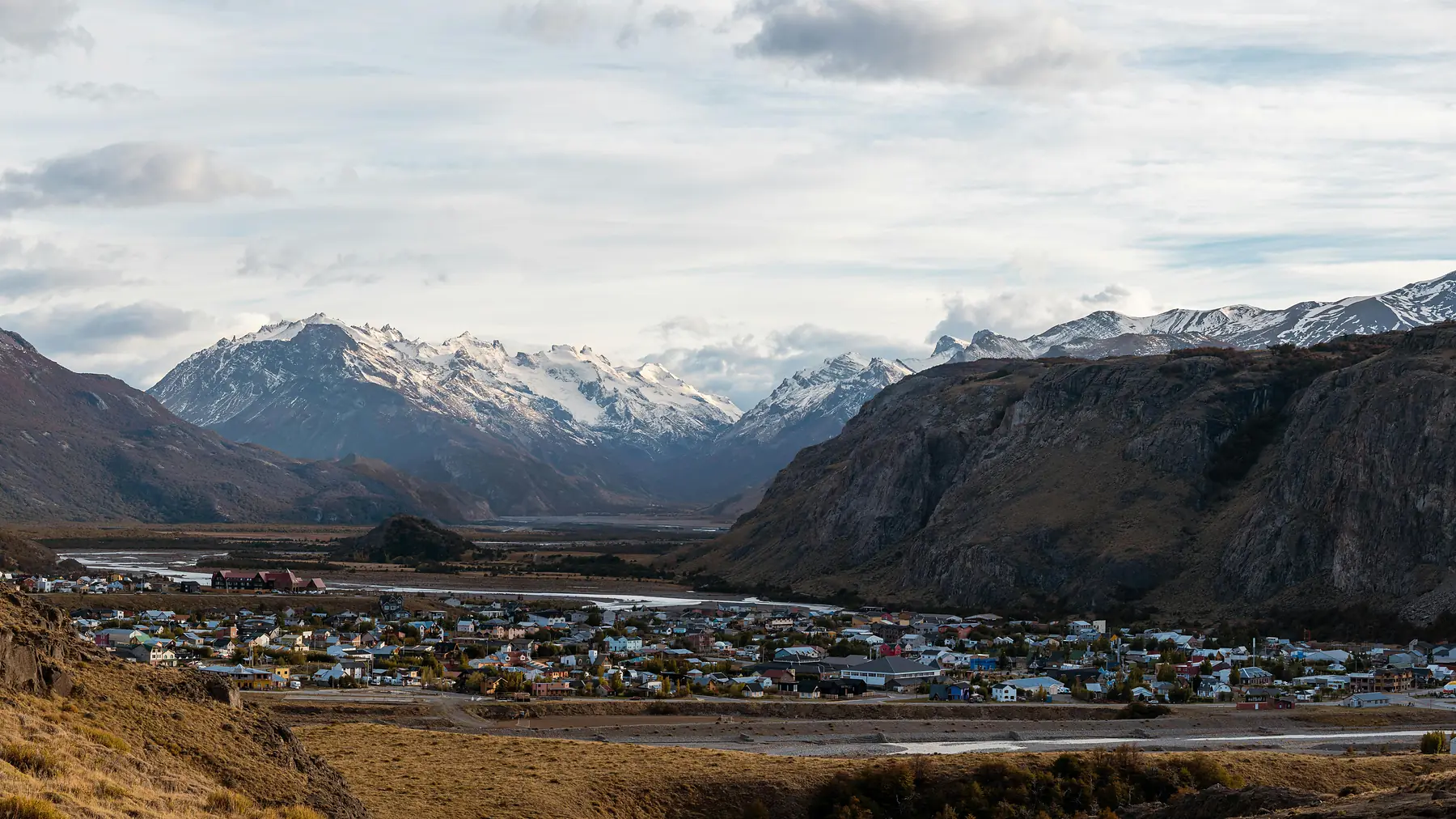
El Chaltén is a hiker’s paradise where the trails start right at the edge of town. Because the town is small and the demand is massive, hostels here fill up faster than anywhere else in Argentina. In the peak months of January and February, finding a walk - in bed is nearly impossible.
Rancho Grande This is a high-capacity part of the El Chaltén backpacker scene, with a busy atmosphere suited to trekkers who value on-site food and opportunities to meet hiking partners. Confirm current restaurant hours directly.
- Vibe Check: High - energy, social, and functional.
- Best For: Meeting large groups and travelers looking for a 24 - hour buzz.
America del Sur Located on a hill overlooking the town, this hostel was designed specifically for the views. The common area features massive floor - to - ceiling windows facing the Fitz Roy massif. They are famous for their communal “Asado” (Argentine BBQ) nights, which are arguably the best social event in town.
- Vibe Check: Upscale backpacker, organized, and scenic.
- Best For: Travelers who want a “boutique” hostel feel with incredible views.
Hostel del Lago For those who find the larger hostels too chaotic, Hostel del Lago offers a more traditional mountain hut atmosphere. It is quieter, with a heavy emphasis on trekking preparation. The wood - paneled common areas and cozy kitchen make it feel like a home base rather than a hotel.
- Vibe Check: Quiet, respectful, and cozy.
- Best For: Solo travelers who value a good night’s sleep before a big summit.
If you want to see the full range of options in the hiking capital, including private guest houses, check our local guide:

Best Hostels in El Calafate (Gateway to Perito Moreno)
Most travelers use El Calafate as a two - night stop to see the Perito Moreno Glacier. While the town is very commercial, the hostels here are some of the most professional in the country, often serving as the primary booking hubs for glacier trekking tours.
America del Sur Calafate The sister hostel to the Chaltén location, this spot offers the same panoramic architectural style. It is located just a short, uphill walk from the main bus station, making it incredibly convenient for those arriving from Puerto Natales or El Chaltén. The staff are experts at booking Minitrekking or Big Ice tours.
- Vibe Check: Modern, clean, and efficient.
- Best For: Ease of logistics and proximity to the bus terminal.
Fuji Guest House A unique outlier in the Patagonian scene, Fuji is known for its Japanese hospitality. It is exceptionally clean, quiet, and serves one of the best breakfasts in the region. It is located a bit further from the main strip, ensuring a peaceful stay away from the tourist noise.
- Vibe Check: Serene, polite, and impeccably maintained.
- Best For: Travelers who are “hostel - tired” and need a quiet, high - quality rest.
Bla! Guesthouse Bla! is a modern, design - forward hostel right in the center of town. It has a fantastic kitchen and a very comfortable lounge area. It strikes a good balance between being social and being a place where you can actually get some work done.
- Vibe Check: Trendy, central, and relaxed.
- Best For: Digital nomads and those who want to be steps away from the best restaurants in town.
If you are visiting El Calafate solely for the glacier, try to book your tours through your hostel. They often have direct lines to operators and can help you navigate last - minute cancellations due to weather.
Best Hostels in Bariloche & The Lake District
Bariloche is the northern gateway to Patagonia and offers a much more “alpine city” feel. The hostels here are legendary, often occupying historic buildings or high - rise apartments with lake views.
Penthouse 1004 This hostel consistently ranks as one of the best in the world, primarily because of its location on the 10th floor of a central building. The wraparound balcony offers a 360 - degree view of Lake Nahuel Huapi and the surrounding peaks. It feels more like a giant, shared apartment than a hostel.
- Vibe Check: Friendly, awe - inspiring, and homey.
- Best For: The single best view you will ever have from a hostel kitchen.
Hopa Home Patagonia Hopa Home is run by locals who are deeply passionate about the “hidden” Bariloche. If you want to find a trail that isn’t on the standard maps, this is the place to stay. The atmosphere is very social without being a “party hostel,” with a strong focus on community dinners.
- Vibe Check: Authentic, local, and adventurous.
- Best For: Trekkers looking for off - the - beaten - path recommendations.
Selina (Socialtel Bariloche) For digital nomads, this location (recently rebranded as Socialtel but still widely known as Selina) is the gold standard. It features a dedicated co - working space, reliable high - speed internet, and a variety of room types from 10 - bed dorms to luxury suites. It also has an indoor swimming pool and a very active events calendar.
- Vibe Check: Corporate - cool, nomadic, and busy.
- Best For: Anyone needing to work a 9 - 5 while traveling.
Bariloche is a major destination for Argentine student groups in July and December. During these months, the town center can be extremely loud; if you prefer peace, look for hostels located a few kilometers outside the center along the Bustillo road.

Best Hostels in Puerto Natales (The W Trek Launchpad)
Puerto Natales is the gateway to Torres del Paine. Almost everyone staying here is either preparing for a trek or recovering from one. The hostels here are specialized in gear rental, storage, and trekking briefings.
Wild Hostel Wild is the undisputed social hub of Puerto Natales. It has an excellent on - site bar and restaurant that attracts both locals and travelers. They offer high - quality gear rental right at the front desk, and their daily trekking briefings are some of the most thorough in town.
- Vibe Check: Social, lively, and trekking - focused.
- Best For: Finding a group to hike the W Trek with.
Hostal Treehouse If Wild is the party, Treehouse is the recovery. This boutique - style hostel is exceptionally cozy, with a focus on comfort and a breakfast that is far superior to the standard bread - and - jam offering. It is the perfect place to spend your first night back after five days of camping.
- Vibe Check: Boutique, calm, and comfortable.
- Best For: A “treat yourself” stay before or after the park.
Lili Patagónicos Lili has been a staple of the Natales scene for years. It is a no - frills, reliable hostel that excels at logistics. They have a massive, secure gear storage room where you can leave your non - trekking clothes while you are in the park, and the staff can help you book the complex bus and catamaran transfers.
- Vibe Check: Practical, reliable, and “old school” Patagonia.
- Best For: No - nonsense trekkers who want seamless logistics.

Best Hostels in Ushuaia (The End of the World)
Ushuaia is the southernmost city in the world and serves as the port for Antarctica cruises. The vibe here is a mix of maritime history and rugged mountain culture.
Hostel Antarctica This is the legendary social hub of Ushuaia. It is famous for its large, well - equipped kitchen and the “wall of fame” where travelers leave notes. It is the best place in town to meet people who are either about to board an Antarctica ship or have just finished a trek in Tierra del Fuego National Park.
- Vibe Check: Classic backpacker, high - energy, and helpful.
- Best For: Solo travelers and those looking for last - minute Antarctica deals.
Torre al Sur A cozy, traditional Patagonian house converted into a hostel. It is small, which makes it very easy to meet people. The kitchen is the heart of the house, and the wooden interiors make it feel like staying in a family home.
- Vibe Check: Intimate, warm, and traditional.
- Best For: Solo travelers looking for a quiet, communal atmosphere.
Yaghan Hostel This is the most central and social option in Ushuaia. It is a large hostel with a very active common area. If you are looking to find people to share a taxi to Tierra del Fuego National Park or to split the cost of a Beagle Channel boat tour, you will find them here.
- Vibe Check: High - social, central, and busy.
- Best For: Social travelers and those without their own transport.

Best Hostels Along the Carretera Austral
The Carretera Austral is Chile’s most rugged road, and the accommodation here is often simpler and more intimate. Many of these spots are not on major booking sites and rely on WhatsApp or email for reservations.
El Puesto Hostal (Coyhaique) Coyhaique is the biggest city on the route, and El Puesto is its best hostel. It leans toward the high - end, with beautiful timber construction and very comfortable beds. It is a great place to “reset” after days of camping or roughing it in smaller villages.
- Vibe Check: High - end hostel, professional, and warm.
- Best For: A mid - trip comfort break on the Carretera.
Hostal Casa de Mar (Puyuhuapi) Located right on the edge of the fjord in the tiny village of Puyuhuapi, this hostel offers incredible views of the water. It is a simple, family - run spot that captures the quiet, misty magic of the northern fjords.
- Vibe Check: Peaceful, waterfront, and simple.
- Best For: Exploring the nearby Queulat Hanging Glacier.
When traveling the Carretera Austral, always carry enough cash (Chilean Pesos) to pay for your hostel. While larger towns like Coyhaique take cards, many smaller hostals in villages like Puyuhuapi or Villa O’Higgins are cash - only or require a local bank transfer.
Essential Tips for Hosteling in Patagonia
To make the most of your budget and ensure you actually have a place to sleep, keep these three rules in mind.
1. The Kitchen is Your Best Friend
Eating out in Patagonia can be expensive, so a well-equipped kitchen adds real value. Check recent reviews to ensure the advertised communal kitchen has enough burners, refrigeration and preparation space for the number of guests.
2. Book Earlier in Trekking Hubs
For the peak season, book once your route is firm if you need a particular location, private room or atmosphere in El Chaltén or Puerto Natales.
3. Manage Your Connectivity Expectations
“Patagonian Wi - Fi” is a regional joke. Even the best hostels struggle with speeds because the infrastructure is limited by the geography. Expect enough signal to send a WhatsApp message or check a weather forecast, but do not plan on uploading 4K video or joining Zoom calls unless you are at a dedicated spot like Selina Bariloche.
For more advice on managing your budget, including how to handle the complex “Blue Dollar” exchange in Argentina, see our full guide:

Frequently Asked Questions
Is it safe to stay in hostels in Patagonia as a solo traveler? Yes, Patagonia is one of the safest regions in South America for solo travelers, with hostels offering secure lockers and highly social environments for meeting hiking partners. The trekking community is generally very respectful and safety - conscious.
How much does a hostel bunk in Patagonia cost? Rates vary sharply by destination and date, and remote refugios use a different pricing model from town hostels. Compare the current final total and included bedding, breakfast, towels and taxes.
Do I need to bring a sleeping bag for hostels in Patagonia? Town hostels provide all linens and blankets, but you will need a sleeping bag if you plan on staying in campsites or certain basic refugios along the W Trek or O Circuit. A lightweight sleeping bag liner is always a good idea for an extra layer of hygiene and warmth.
Do hostels in Patagonia have kitchens for guest use? Most town - based hostels in Patagonia have excellent communal kitchens, which is vital for saving money given the high cost of dining out in the region. However, mountain refugios in Torres del Paine generally do not allow guests to use their kitchens.
How far in advance should I book my Patagonia hostels? For peak season, book early in high-demand hubs such as El Chaltén and Puerto Natales. Shoulder-season inventory is often more flexible, but confirm that seasonal properties are open.
Is Wi-Fi reliable in Patagonia hostels? Town-hostel Wi-Fi may be slow or prone to outages, while remote refugio connectivity is more limited. Ask for a recent speed test if you need to work and download essential information in advance.
Ad This page contains affiliate links. If you book through them, we may earn a commission at no extra cost to you.