
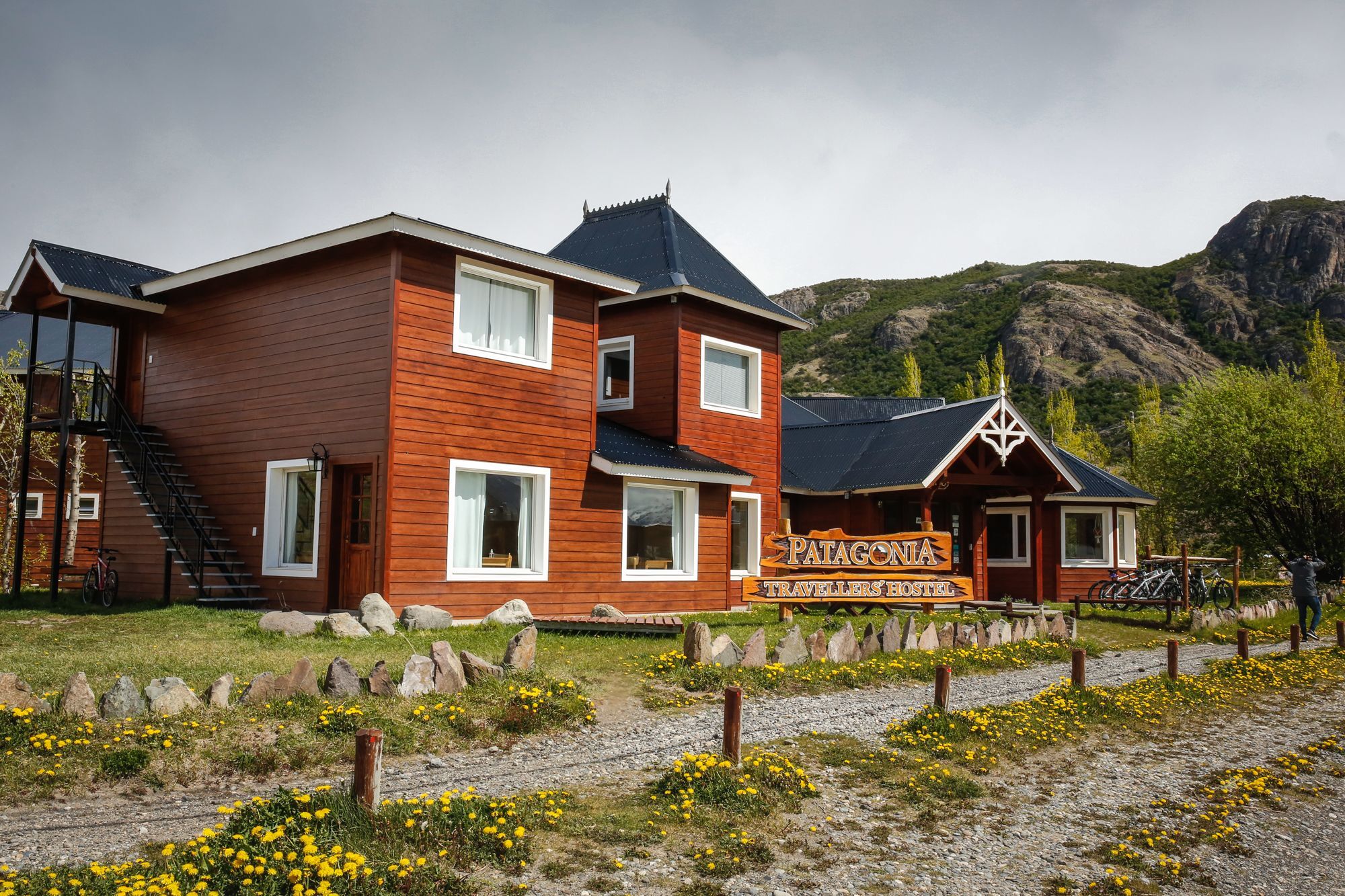
Patagonia Travellers’ Hostel
Best all-round trekker hostel

Compare El Chaltén's best areas, from trailhead-side lodges in the north to bus-station hostels in the south, across every budget.
El Chaltén is Argentina’s hiking capital and the main base for trails to Fitz Roy, Laguna de los Tres and Cerro Torre. The village is compact, but the northern trailhead area, central restaurant strip and southern bus-station end each make a different part of the trip easier. This page is the area-by-area decision guide; once you have chosen your base, our ranked best hotels in El Chaltén list covers the individual properties. It is part of our broader Patagonia accommodation directory.
Stay at the north end for quicker Fitz Roy starts, in the center for restaurants and gear shops, or near the south end when the bus station and Cerro Torre access matter most. Those distances feel much more significant at the end of a long hiking day.
Best all-round trekker hostel
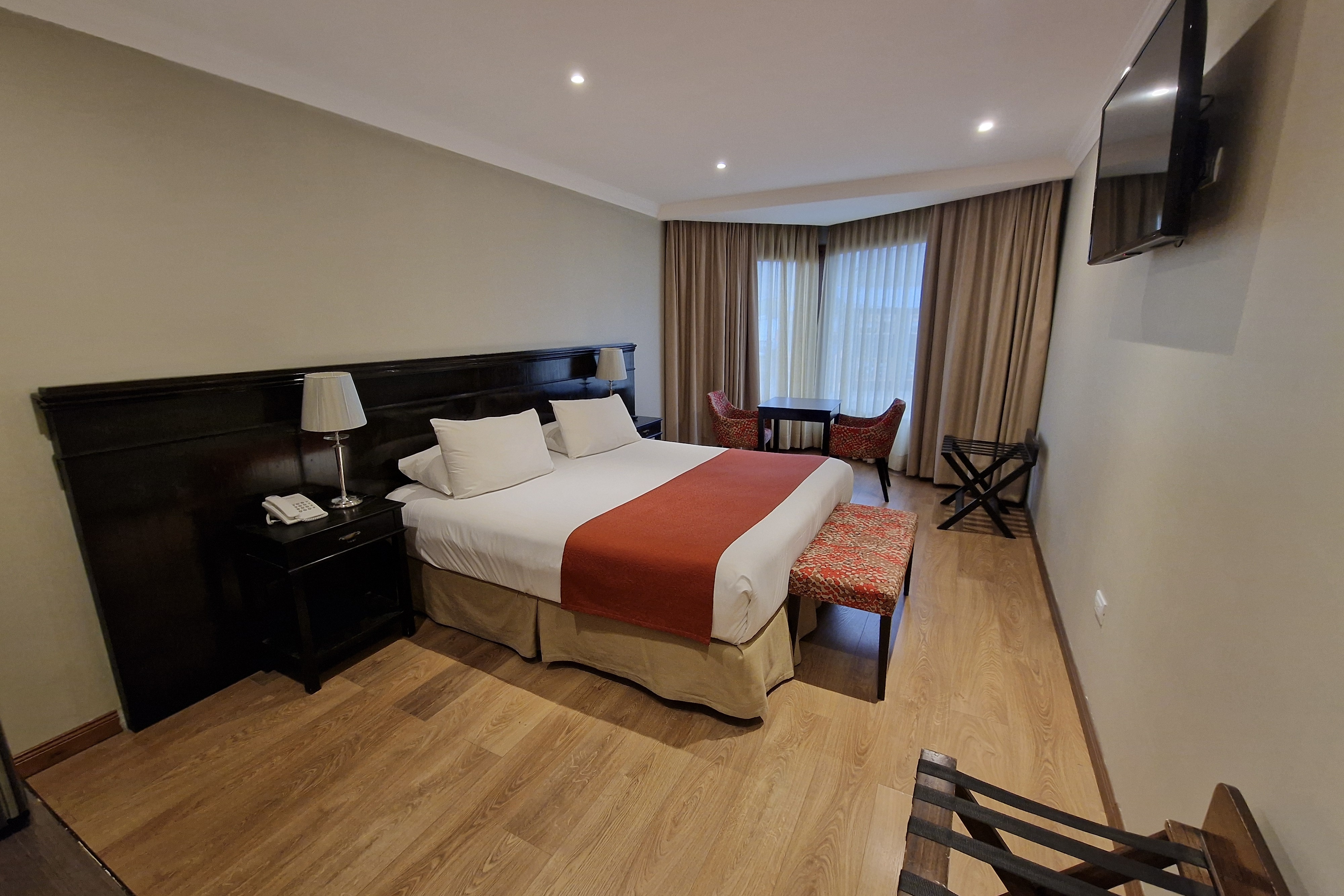
Best central full-service hotel
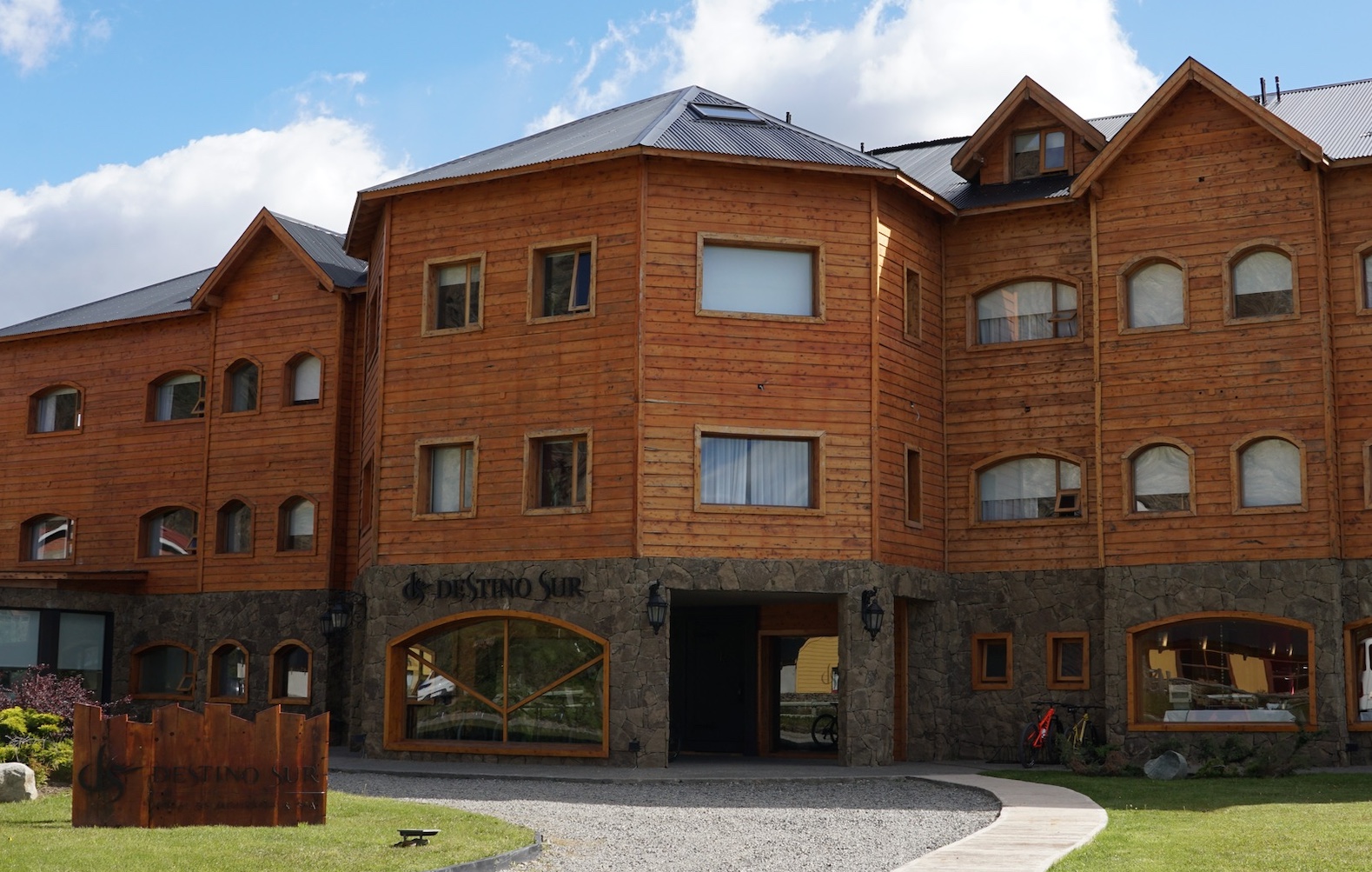
Best for post-hike spa recovery
Best all-round budget hostel
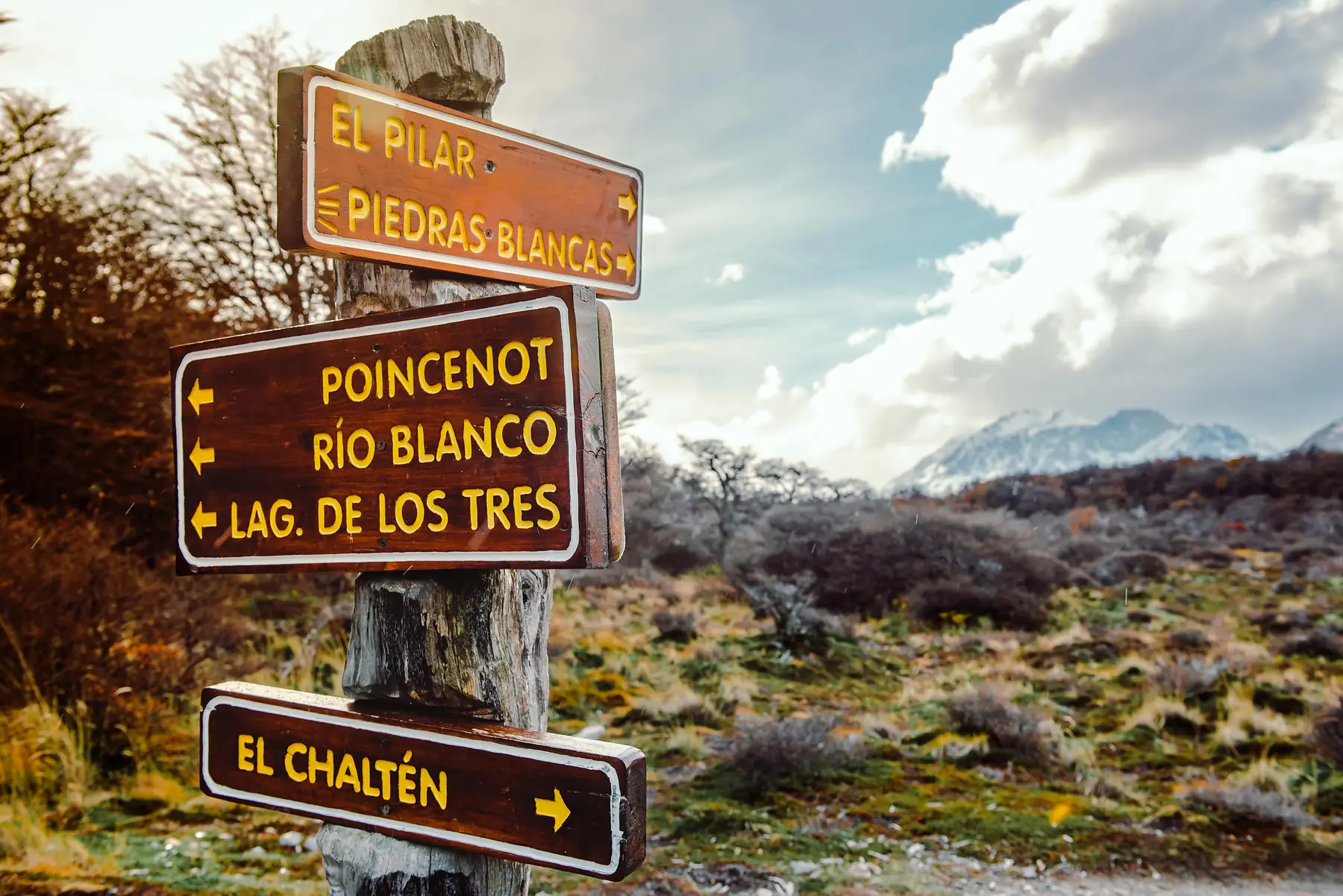
Best for social hikers and early Fitz Roy starts
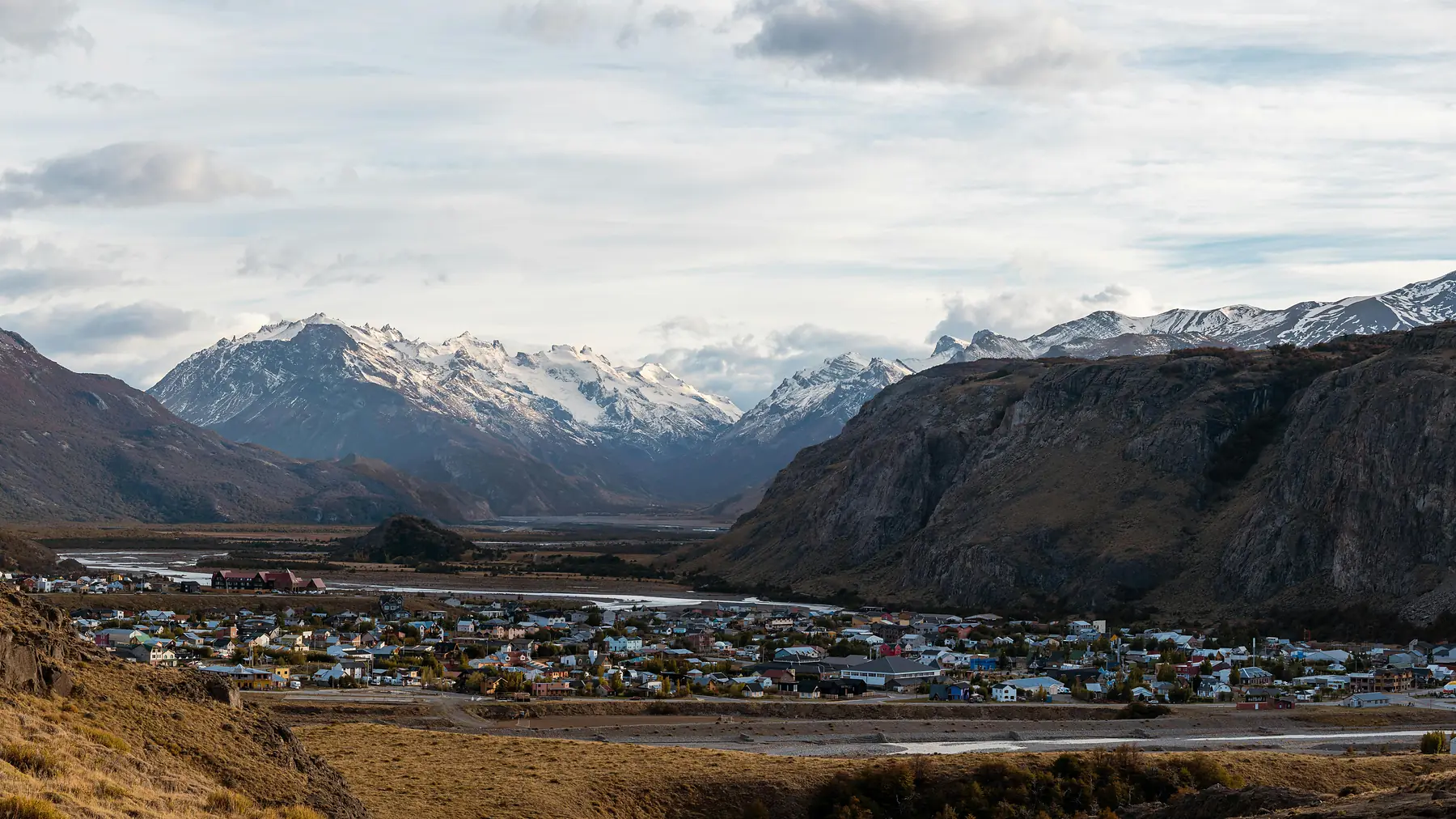
Best quiet hostel near the bus terminal
Best luxury hotel in town overall
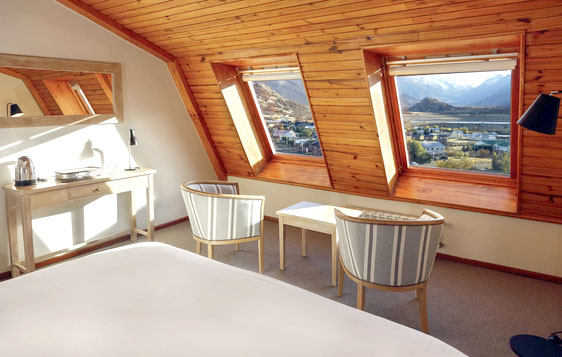
Best for panoramic valley views
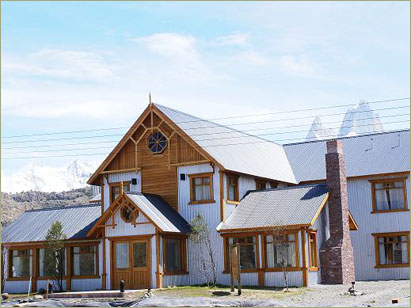
Best upscale stay for arriving by bus

Best serviced campsite in town overall
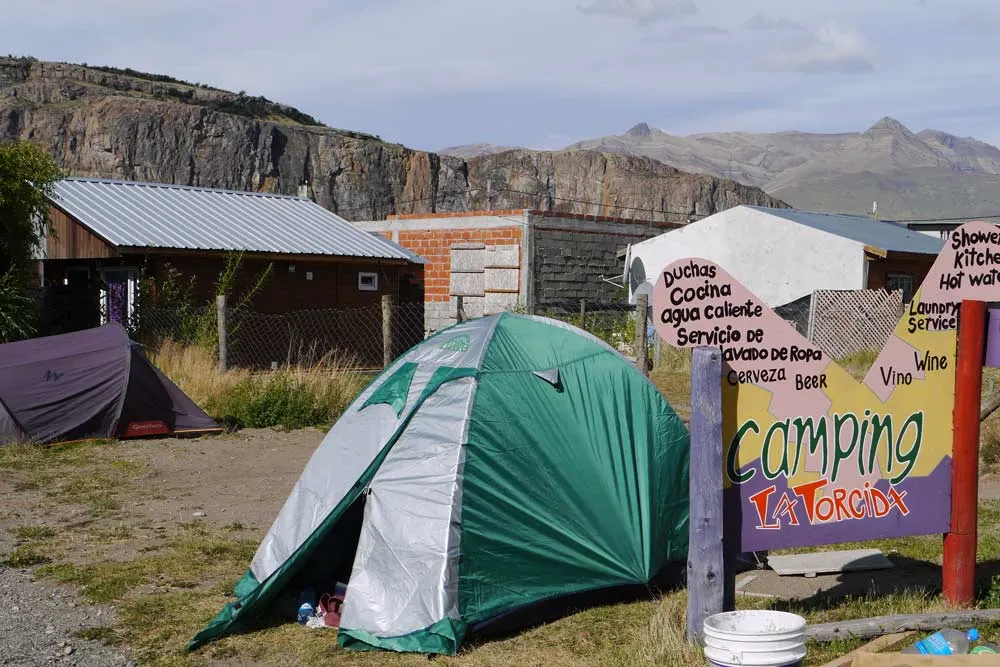
Best town campsite for Laguna Torre access
Best simple alternative near central services
The mental model for El Chaltén is simple: it is a “T” shape where the base of the T is the entrance to town (South) and the top of the T leads toward the mountains (North). While the total distance from the bus station to the northernmost trailheads is approximately 1.8km (a 20–25 minute walk), your choice of sector dictates your daily “commute” to the trailheads.
The northern end of town is the quietest and most scenic area. It sits directly at the foot of the trailheads for Laguna de los Tres (the Fitz Roy hike) and Laguna Capri. Staying here allows you to be among the first on the trail in the morning, which is essential if you want to reach the Rio Blanco ascent before the midday crowds.
The south end clusters around the bus station and the park ranger station (Centro de Informes Ceferino Fonzo). This is the most convenient area for those arriving late or departing early for El Calafate. It is also the registration point for the Huemul Circuit and provides the easiest access to the Laguna Torre trailhead located on the town’s western edge.
Avenida San Martín serves as the town’s spine. The central blocks are home to the highest concentration of breweries, gear shops, and restaurants. If you want to be within a two-minute walk of a post-hike pint of Calafate ale, this is your zone.

Stay North for the iconic Fitz Roy trek; stay South for easy bus connections and the Laguna Torre trail.
Luxury in El Chaltén is defined by “luxury of place” rather than gold-plated faucets. The highest-end lodges focus on floor-to-ceiling windows that frame the granite spires of the Fitz Roy massif, on-site spas for muscle recovery, and gourmet kitchens that source local Patagonian lamb and trout.
Connectivity has improved at some higher-end properties, but it remains inconsistent across town and can be affected by weather. Confirm the current connection directly if remote work or a video call matters.
When choosing a luxury stay, prioritize the “View Factor.” Most top-tier hotels are built on the northern hillside or the western edge of town to ensure unobstructed views.

The hostería is the backbone of El Chaltén accommodation. These are typically small, alpine-style inns that provide a comfortable middle ground between a hotel and a social hostel. Rates vary sharply by season and room type, so compare current totals for your dates.
A good hostería provides three essentials for a hiker:
Because this is the most popular category, these properties fill up the fastest. They offer the best balance of comfort and value, especially those located just one block off the main street, which avoids the noise of the late-night brewery crowds.

For solo travelers, the “Where” is often less important than the “Who.” El Chaltén’s hostels are the town’s information hubs. The communal kitchens are where you’ll find out if the river crossing on the Huemul Circuit is currently waist-high or if the snow has cleared from the top of the Laguna de los Tres ascent.
Many hostels are toward the south end near the bus station, which is useful when carrying a full pack. Couples should compare a private hostel room with an apartment or simple hostería because two bunks do not always represent the best value.
If you are planning to hike the Huemul Circuit, look for a hostel that offers long-term gear storage. Most will allow you to leave your non-trekking luggage in a locked room for the 4-day duration of the hike for a small fee or for free if you book a night upon your return.

If you are staying in El Chaltén for more than four days, self-catering becomes an attractive option. The town has seen a surge in “Apart-hotels” and modern town apartments (often listed on Airbnb or VRBO) that provide kitchens and living spaces.
Staying in a “Cabaña” (cabin) allows you to bypass the high cost of El Chaltén’s restaurant scene, where a standard dinner can easily cost $25–40 USD per person. However, self-catering is a logistical adventure. The town’s grocery stores are small and their stock is dictated by the arrival of the supply truck from El Calafate.
Fresh produce and eggs can sell out within hours of the supply truck’s arrival. If you are self-catering, plan to shop for your trail snacks as soon as you see a truck unloading outside a supermarket on Avenida San Martín.
For more information on where to find the best-stocked markets and how to navigate the local dining scene, visit our El Chaltén restaurant and shopping guide.
For those who want to wake up as close to the mountains as possible, El Chaltén offers both rustic campgrounds and high-end glamping.
There are several private campgrounds within the town limits (mostly at the South End and near the river). These provide hot showers, Wi-Fi, and communal cooking shelters. They are an excellent backup if you arrive without a reservation, though even these can reach capacity in January.
The “Glamping” scene has exploded in the Eléctrico Valley and near the Rio de las Vueltas. Properties like Chaltén Camp offer geodesic domes with wood-burning stoves and private decks. These are located 10–15 minutes outside of town by shuttle, offering a wilderness experience without the hardship of a tent.
If you are planning to sleep under canvas (or silk), our camping guide covers everything from equipment rentals to backcountry site regulations:

For travelers seeking total seclusion, the remote estancias (historic sheep farms) offer a glimpse into the region’s pioneer history. These lodges are located well outside the town limits and usually require a boat transfer or a 4x4 drive.
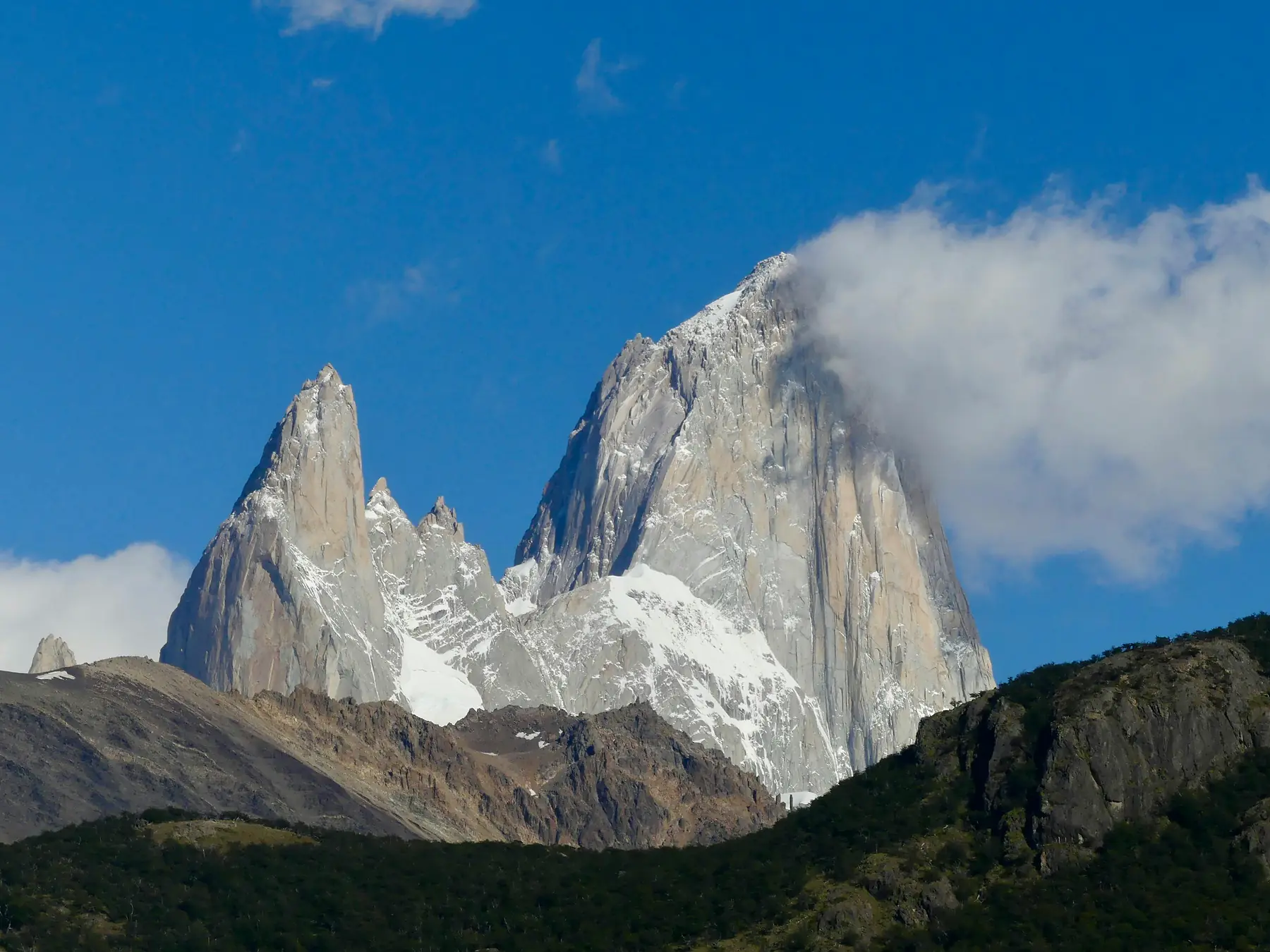
These properties are best for those who want to escape the “hiker highway” of the main trails. They offer private trail networks, horseback riding, and world-class fly fishing. While Estancia Cristina is a famous name in the region, it is primarily accessed via boat from near El Calafate; for those staying in Chaltén, look for lodges in the Lago del Desierto area for a similar sense of wild isolation.
El Chaltén has no “overflow” capacity. When the town is full, it is truly full, and travelers arriving without reservations in peak season are frequently forced to take a three-hour bus back to El Calafate just to find a bed.
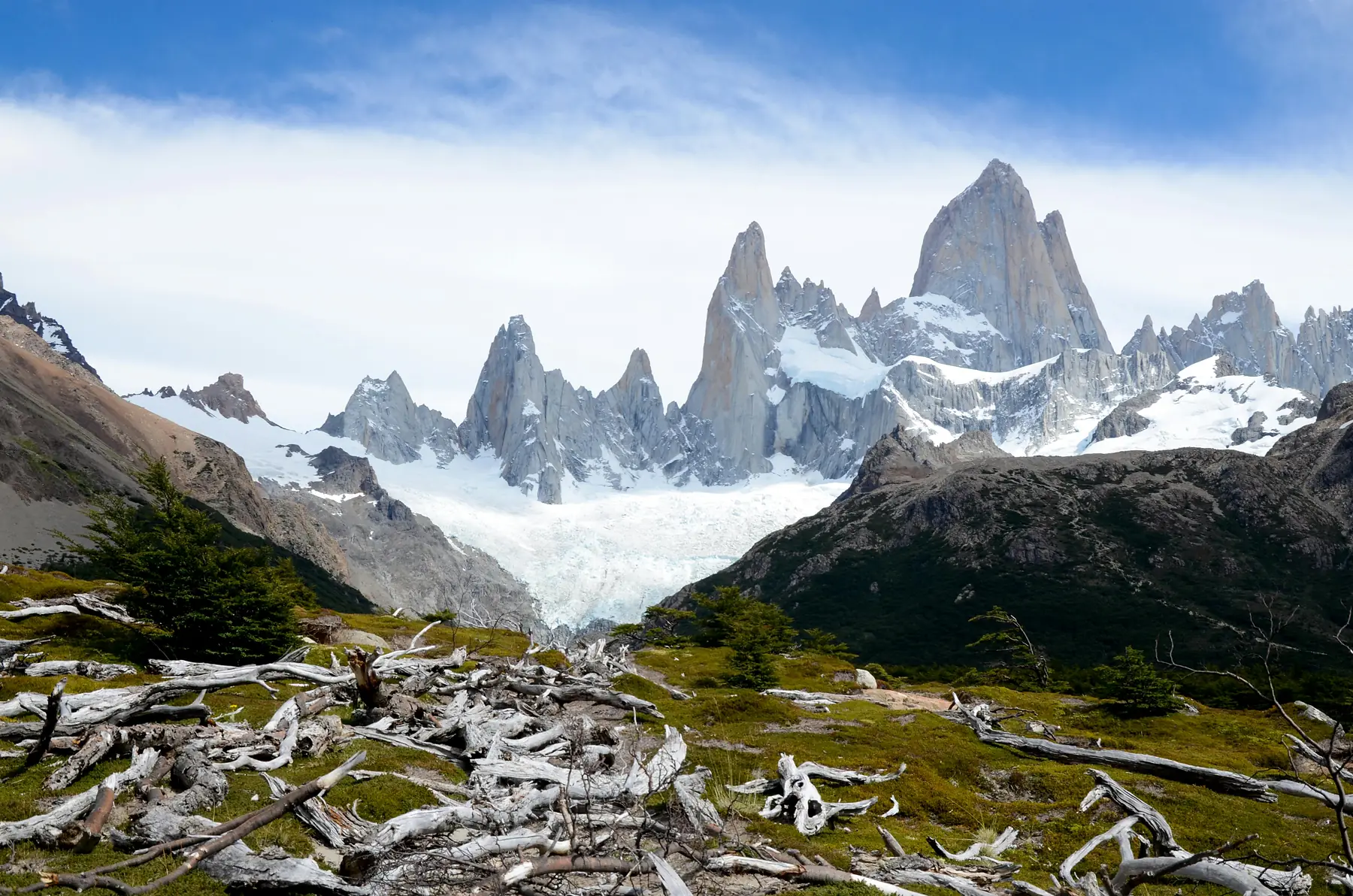
Patagonia’s weather is volatile. When booking, prioritize properties with flexible cancellation policies. While it is rare for the road to El Chaltén to close, flight delays in and out of El Calafate are common, and having a 48-hour cancellation window can save your budget if your travel plans shift.
ANSWER: The northern end of town is best, as it places you within minutes of the Laguna de los Tres trailhead, saving you a long walk across town after your descent.
ANSWER: While El Chaltén lacks traditional 5-star international chains, luxury lodges like Explora and Los Cerros del Chaltén offer high-end boutique experiences with spa services and gourmet dining.
ANSWER: Staying near the bus station at the south end of town is highly convenient for those with heavy luggage or early morning departures to El Calafate, and it’s close to the park office for Huemul Circuit registration.
ANSWER: It is risky during the busiest summer weeks. Reserve ahead if price, location or room type matters, because the village has limited inventory.
ANSWER: Connectivity is notoriously poor in town, though many mid-range and luxury hotels (such as Explora and Los Cerros) have installed Starlink to provide more reliable internet for guests.
ANSWER: To cover the major trails like Fitz Roy and Laguna Torre plus a buffer day for Patagonian weather, a minimum of 3 to 4 nights is recommended.


