
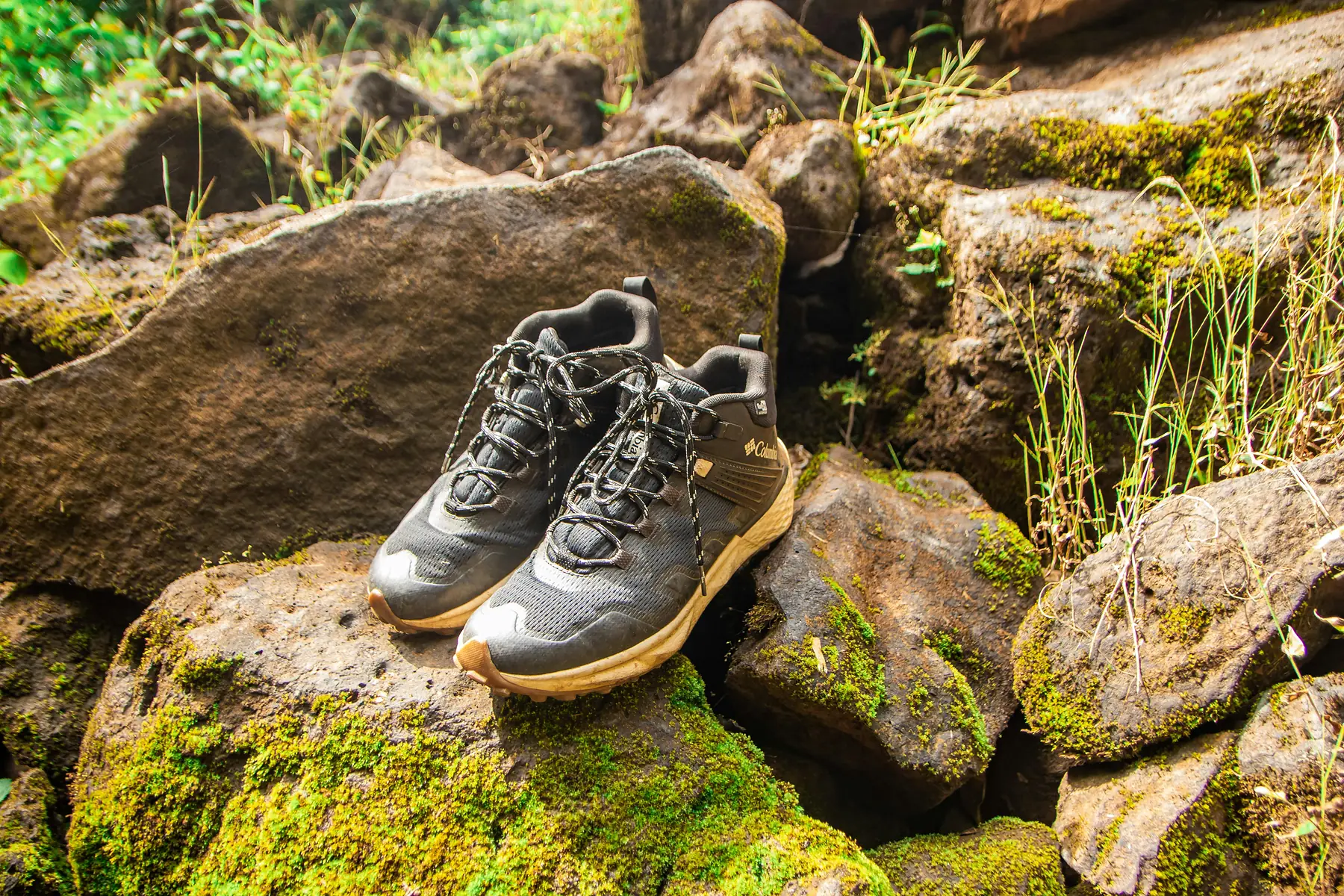
The best hiking shoes and trail runners for Patagonia combine secure grip, underfoot protection, a locked-in heel, and a fit you have already tested over long days. Our top overall pick is the Salomon X Ultra 5 GORE-TEX because it adds hiking-shoe stability and wet-weather protection without the bulk of a mid boot. Experienced trail-shoe users who prioritize cushioning should also consider the HOKA Speedgoat 7.
Low-cut footwear works especially well for Patagonia day hikes and a refugio-based W Trek with a light pack. It is a more demanding choice for camping loads, deep mud, or remote circuits. This guide separates true hiking shoes from lighter trail runners, explains when waterproofing helps, and shows where a supportive hiking boot remains the safer tool.
At a Glance: Patagonia Hiking Shoes and Trail Runners
- Top Overall Pick: Salomon X Ultra 5 GORE-TEX
- Top Budget Pick: Kiprun Kipsummit or women-specific Kipsummit Max
- Top W Trek Pick: HOKA Speedgoat 7 for experienced trail-shoe users
- Top Rocky-Terrain Pick: La Sportiva Bushido III
- Recommended Features: Secure heel hold, a protective toe cap, stable cushioning, 4-5 mm multidirectional lugs, dependable wet-rock grip, and a fit tested with your trekking socks
Recommended Hiking Shoes and Trail Runners for Patagonia
Most recommendations below use one card for the men’s and women’s versions because the underlying shoe and its use case are the same. The image shows one version, so use the links to check fit, sizing, widths, and current colors. The two Kiprun options remain separate because the researched models differ. Price markers compare each shoe with the rest of this category: $ budget, $$ mid-range, and $$$ premium.
Kiprun Kipsummit Trail Running Shoes
A protective budget trail runner with pronounced multidirectional lugs and moderate cushioning. It is more suitable for steep, rough paths than a basic road-to-trail shoe and makes sense for confident hikers on drier day routes. Fit availability and long-term model continuity are less predictable than with the larger specialist brands, and it is not our choice for carrying an overnight load.

Kiprun Kipsummit Max Trail Running Shoes
The women-specific budget pick combines Softech cushioning, rock protection, and a lugged outsole at an accessible price. It suits experienced walkers and runners on maintained day hikes where ankle support is unnecessary. Its regional availability is less predictable than the mainstream options, so confirm sizing early rather than relying on a last-minute purchase.

adidas Terrex Agravic 3
A widely available trail runner with Lightstrike 2.0 cushioning, a stabilizing plate, and Continental rubber. The 8 mm drop feels familiar to many runners, while the 4 mm lugs cover dry and mixed trails without making the shoe cumbersome on approaches. Those moderate lugs are less secure in deep mud, and the women's current fit guidance suggests checking whether a larger size is needed.

Altra Lone Peak 9
A flexible trail favorite with a broad FootShape toe box, a 25 mm platform, and a StoneGuard insert for moderate rock protection. It can work for a light-pack W Trek or long day hike when the wearer already uses zero-drop shoes. Do not switch to its level geometry shortly before the trip because calves and Achilles tendons need time to adapt.
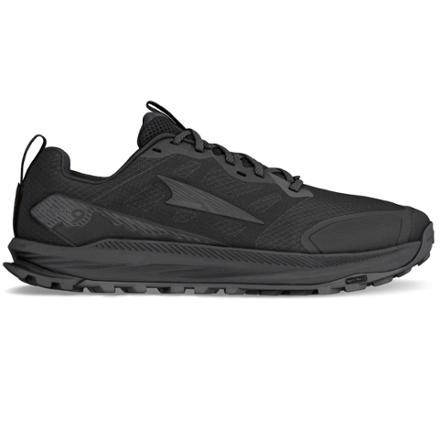
La Sportiva Bushido III
A firm, close-to-ground trail runner built for control on broken rock. Its secure upper, rock guard, stable platform, and FriXion Red outsole make it the technical day-hike specialist in this list. The precise fit can feel unforgiving on wide feet, and hikers who prefer a soft rolling stride will find more comfort in the Speedgoat or Cascadia.

Brooks Cascadia 20
A high-cushion trail runner with a broad support base, protective overlays, and a Vibram Megagrip outsole. Its Trail Adapt construction balances flexibility with control, making it a strong option for long day hikes or a light refugio trek. The tall 38 mm heel stack reduces ground feel, so careful foot placement still matters on uneven moraine.
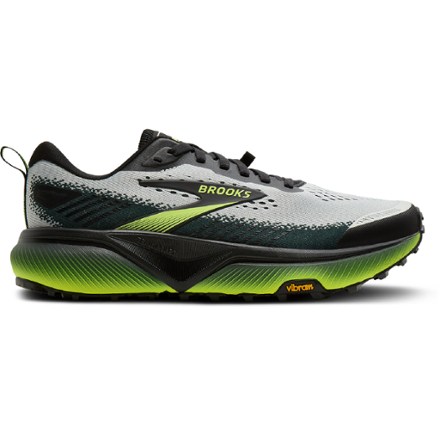
HOKA Speedgoat 7
Our W Trek trail-runner pick combines high-cushion supercritical foam with a Vibram Megagrip outsole and 5 mm lugs. It is well suited to experienced trail-shoe users covering long days with a light refugio pack. The soft, tall platform feels less planted than a firm hiking shoe, so hikers who dislike stack height should choose the Salomon or Bushido.
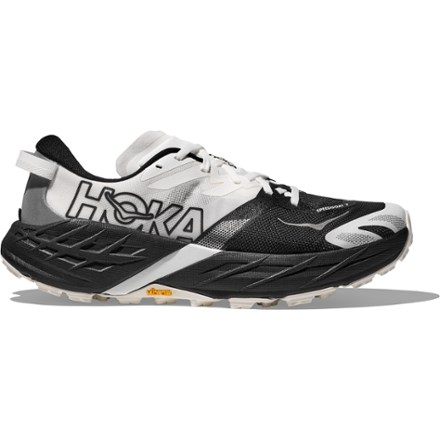
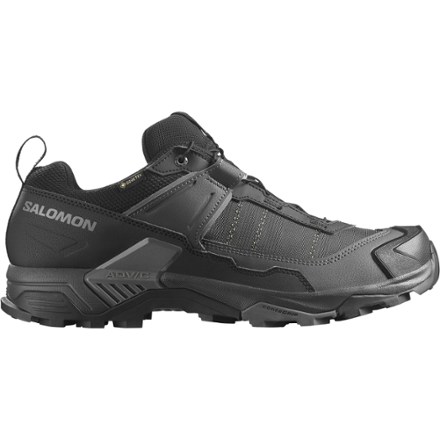
Salomon X Ultra 5 GORE-TEX
Our top overall pick feels more structured than a trail runner while retaining low-cut agility. Its Advanced Chassis, protective upper, and Contagrip outsole add lateral control under a modest pack, while the membrane helps through wet vegetation, shallow puddles, and cold rain. The trade-offs are reduced ventilation and a performance fit that can feel narrow.
Merrell Moab Speed 2 GORE-TEX
A comfort-led hiking shoe that combines FloatPro cushioning, a protective upper, and a Vibram TC5+ outsole. It feels more forgiving than a precise technical runner and suits wet day hikes or a light-pack trek for walkers who want a conventional 10 mm drop. It is warmer, heavier, and slower to dry than a non-waterproof trail runner.
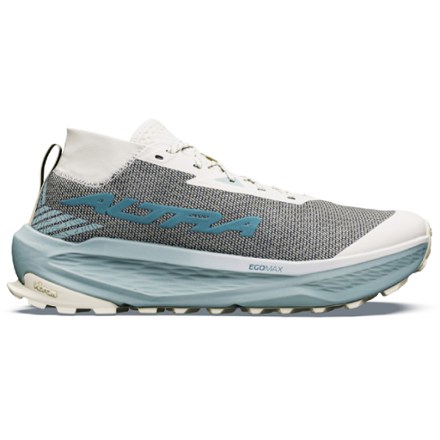
Altra Olympus 275 HiLo
A premium long-distance trail shoe with a Kevlar-reinforced MATRYX upper, integrated scree sleeve, 33 mm EGO MAX platform, and full Vibram Megagrip outsole. The sleeve helps keep grit out on dry, debris-prone routes without adding a waterproof membrane. Its zero-drop geometry requires prior adaptation, and the higher collar is warmer and less convenient than a conventional low shoe.
How We Chose These Shoes
We compared current low hiking shoes and trail runners that were available from their manufacturers or an exact-model retailer in August 2026. Each recommendation needed a clear reason to choose it for Patagonia, such as grip, stability, waterproof protection, cushioning, fit range, rock protection, or value. Ordinary road shoes and casual sneakers were excluded because their smooth outsoles, exposed foam, and loose uppers are poorly suited to wet roots, gravel, and sustained descents.
The ranking gives more weight to fit, traction, and control than to low scale weight. A light shoe that lets the heel lift or the foot slide sideways will become tiring on an uneven trail. We also separate recommendations for day hikes and light refugio trekking from camping use. None of these low shoes is our default recommendation for a heavy multi-day load.
Product specifications, colors, widths, and regional availability can change. Follow the links above to confirm the exact version and current sizing before buying.
Hiking Shoes vs. Trail Runners
A low hiking shoe uses a more structured upper and usually a firmer chassis. It feels closer to a boot below the ankle, which helps control the foot on rough descents and under a modest pack. The Salomon X Ultra 5 GORE-TEX and Merrell Moab Speed 2 GORE-TEX fit this role.
A trail runner prioritizes flexible movement, lower weight, and running-oriented cushioning. The HOKA Speedgoat 7 and Brooks Cascadia 20 reduce fatigue for hikers who already trust soft, low-cut footwear, while the La Sportiva Bushido III favors precision and ground control. A trail runner does not automatically make a walk safer or faster. It works when its fit, geometry, and protection match the wearer.
- Underfoot Feel: Firmer and more controlled / Lighter and more flexible
- Best Use: Wet day hikes and modest trekking loads / Long day hikes and light refugio trekking
- Main Advantage: Hiking-shoe stability without a boot collar / Reduced weight and comfortable turnover
- Main Risk: Warmer and slower to dry / Less protection and lateral support
Choose a hiking shoe for more structure and wet-weather protection. Choose a trail runner when you already use one confidently and will carry a light load.
If you expect deep mud, sustained rough ground, or a camping pack, compare these options with the best hiking boots for Patagonia. Familiarity matters, but the load and trail still decide how much footwear you need.
Best Shoes for the W Trek
Trail runners and low hiking shoes can work well on the W Trek when you sleep in refugios, keep the pack light, and have already used the same footwear over consecutive long days. The HOKA Speedgoat 7 is our trail-running pick because its 5 mm lugs and generous cushioning suit long stages. The Salomon X Ultra 5 GORE-TEX is the more conservative choice for walkers who want a firmer platform and a waterproof upper.
Campers carry more weight and spend more time managing wet equipment. A supportive boot is usually the better default for that version of the route. The same applies when ankle instability, a history of foot problems, or an unfamiliar low shoe would add uncertainty to the trip. Test the complete footwear and sock system while carrying your real pack before departure.
Our W Trek packing list explains how the rest of the load changes between full-board, refugio, and camping itineraries.

Waterproof or Quick-Drying?
Waterproof low shoes help in cold rain, wet vegetation, shallow mud, and puddles that remain below the collar. They also block some wind. The Salomon and Merrell options are useful for hikers who prefer dry socks and tend to walk around deeper water instead of through it.
A membrane also traps more heat and moisture. Once water enters over a low collar, a waterproof shoe can take longer to dry than an open-mesh trail runner. Experienced trail runners sometimes accept wet feet and use quick-draining shoes with spare socks, especially in milder conditions. That system demands disciplined foot care and is a poor experiment to begin on the first day of a trek.
Whichever approach you choose, carry dry socks in a sealed bag. Remove wet insoles at the end of the day and let shoes dry naturally away from direct heat.
Do not treat a waterproof membrane as permission to step into water above the shoe collar. Once water enters from the top, the same membrane that kept rain out will slow drying.
Grip, Lugs, and Rock Protection
Patagonia trails move between hard dirt, loose gravel, polished rock, roots, and mud. Look for a sticky rubber compound and a lug pattern that provides braking edges in several directions. Four-millimeter lugs are a sensible baseline for maintained routes. Five-millimeter lugs provide more bite in softer ground, though widely spaced shapes shed mud better than depth alone suggests.
The outsole must work with a stable midsole. Very soft, tall cushioning can feel comfortable on easy ground but less precise when a foot lands at an angle. Firmer options such as the Bushido III improve control on rock, while broader platforms such as the Cascadia 20 add stability beneath more cushioning.
A protective toe cap and rock plate or insert reduce bruising on long descents and moraine. These details matter more than a few grams of claimed weight savings.
Fit, Drop, and Width
Feet often swell during a long hiking day. Try footwear late in the day with the socks you will wear in Patagonia, then walk down an incline. The heel should remain secure, the midfoot should not slide, and the longest toe should not strike the front. A wide toe box is useful only when the rest of the shoe still holds the foot in place.
Heel-to-toe drop changes how load moves through the lower leg. The Salomon and Merrell have a conventional higher drop, the Speedgoat and Cascadia use a moderate drop, and the Altra models are zero drop. Stay close to the geometry your body already knows. Switching abruptly to zero drop before a trekking trip can overload the calves and Achilles tendons.
Men’s and women’s versions may change heel volume, width, and upper fit even when the outsole platform is similar. Use the paired links on each card to compare the correct version, then prioritize fit over color or brand loyalty.
Breaking In Hiking Shoes and Trail Runners
Low shoes generally need less material break-in than leather boots, but your feet still need time to test the shape. Wear the exact shoes for several long walks on varied ground. Include sustained descents and at least one back-to-back hiking weekend if the W Trek is the goal.
Treat hot spots as useful warnings. Adjust lacing, sock thickness, or insoles during training, and replace the shoe if heel lift or toe pressure continues. A familiar older pair with healthy tread is often a better choice than an untested new model, but inspect the outsole, upper creases, and midsole before flying. Worn foam and rounded lugs reduce support and braking control.
Socks, Gaiters, and Trail Care
Use merino or synthetic hiking socks that move moisture away from the skin. Cotton stays wet and increases friction. Carry one protected dry pair for camp or the refugio and rotate walking socks when the itinerary allows.
Low gaiters can keep grit and small stones out of trail runners. Waterproof gaiters add limited protection from wet vegetation, but they cannot turn a mesh shoe into waterproof footwear. After a muddy walk, rinse abrasive dirt away with cool water, remove the insoles, loosen the laces, and dry the shoes in moving air.
Keep footwear away from refugio heaters and wood stoves. Concentrated heat can damage foam, shrink uppers, and weaken the adhesive joining the upper to the sole.
What to Wear for Patagonia Day Hikes
For established day routes around El Chaltén and other hiking hubs, choose according to weather, pack weight, and experience. A grippy trail runner is efficient in dry or mixed conditions. A waterproof hiking shoe is easier to manage when the forecast is cold and persistently wet. Carry trekking poles if steep descents trouble your knees or balance.
Footwear is one part of the system. Your Patagonia day-hike packing list should also include a waterproof shell, insulation, food, water, navigation, and emergency basics. Leave enough room in your daypack to store dry socks and wet-weather layers where they stay protected.
FAQ
QUESTION: What are the best hiking shoes for Patagonia? ANSWER: The Salomon X Ultra 5 GORE-TEX is our top overall hiking shoe because it combines low-cut agility with a supportive chassis, protective upper, wet-weather coverage, and dependable trail grip. The best fit for your own foot remains more important than the ranking.
QUESTION: What are the best trail runners for Patagonia? ANSWER: The HOKA Speedgoat 7 is our pick for long-distance cushioning and grip, while the La Sportiva Bushido III is better for precise rocky terrain. The Brooks Cascadia 20 provides a stable high-cushion alternative with useful width choices.
QUESTION: Can I wear trail runners on the W Trek? ANSWER: Yes, if you already hike confidently in trail runners, stay in refugios, and carry a light pack. Use a proven model with good grip and underfoot protection. Campers and hikers who want more structure should choose a supportive hiking shoe or boot.
QUESTION: Do trail runners need to be waterproof for Patagonia? ANSWER: No single approach suits everyone. Waterproof low shoes help in cold rain, shallow mud, and wet vegetation, while non-waterproof mesh dries faster after water enters over the collar. Choose the system you have already tested and keep dry socks protected inside your pack.
QUESTION: Are hiking shoes better than hiking boots for Patagonia? ANSWER: Hiking shoes are lighter and work well for day hikes and light refugio trekking. Boots provide more protection for deep mud, rough remote trails, and heavy camping loads. The route, load, ankle stability, and prior experience should decide.
QUESTION: How much room should hiking shoes have at the toes? ANSWER: Your toes should not touch the front while walking downhill, but the heel and midfoot must remain secure. Try shoes late in the day with trekking socks because feet commonly swell during long walks.
QUESTION: Should I buy zero-drop trail runners for Patagonia? ANSWER: Buy zero-drop shoes only if you already use that geometry or have enough time for gradual adaptation. An abrupt switch can overload the calves and Achilles tendons, which makes the Altra models poor last-minute purchases.
QUESTION: How should I dry wet trail shoes in a refugio? ANSWER: Remove the insoles, loosen the laces, wipe away mud, and let the shoes dry naturally in ventilated air. Do not place them directly beside a heater or wood stove because concentrated heat can damage foam, uppers, and adhesive.

