
Patagonia and New Zealand are the world’s premier trekking mirrors, sharing a geological ancestry as part of the ancient Gondwana supercontinent that explains their eerie similarities in flora and landscape. While both offer world-class alpine scenery, the choice between them comes down to a trade-off between Patagonia’s raw, dramatic verticality and New Zealand’s polished, accessible infrastructure.
Choosing between these two “ends of the earth” requires looking past the postcards. New Zealand offers a seamless, campervan-friendly experience with manicured trails, while Patagonia provides a more rugged, frontier-style adventure that demands more logistical patience but rewards you with some of the most iconic mountain silhouettes on the planet.
Patagonia vs New Zealand at a Glance
- Primary Scenery: Granite spires and massive ice fields (Patagonia) vs. Volcanic peaks and sustained alpine ranges (NZ)
- Best For: Raw adventure and vertical relief (Patagonia) vs. Seamless logistics and diverse landscapes (NZ)
- Infrastructure: Rugged trails with social refugios vs. Manicured tracks with egalitarian huts
- Wildlife Risk: Pumas and condors vs. Zero land predators and cheeky alpine parrots
- Average Cost (2026/27): $180 - $280 USD per day (Patagonia) vs. $150 - $230 USD per day (New Zealand)
- Peak Season: December to February for both regions
The Landscapes: Granite Spires vs. Southern Alps
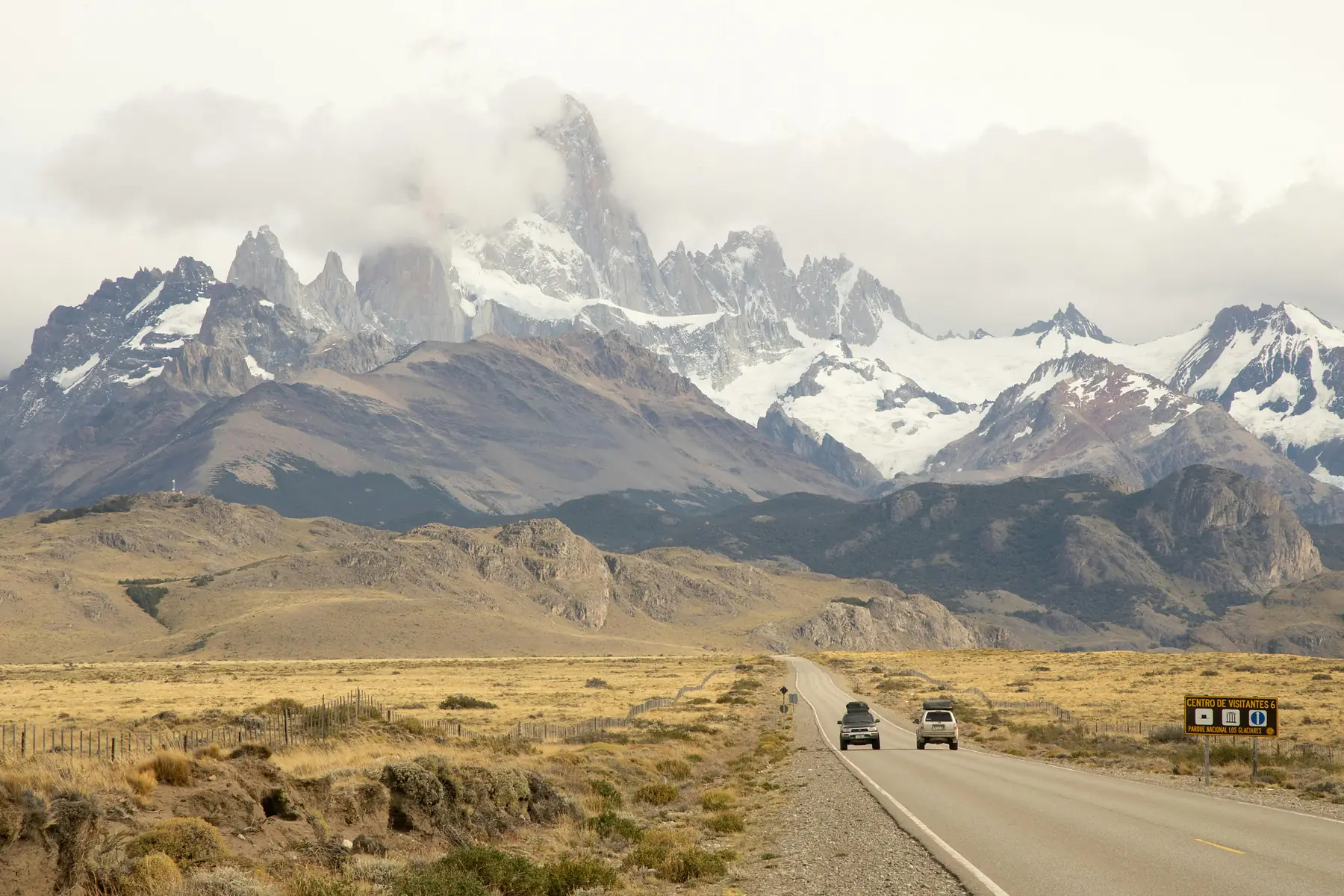
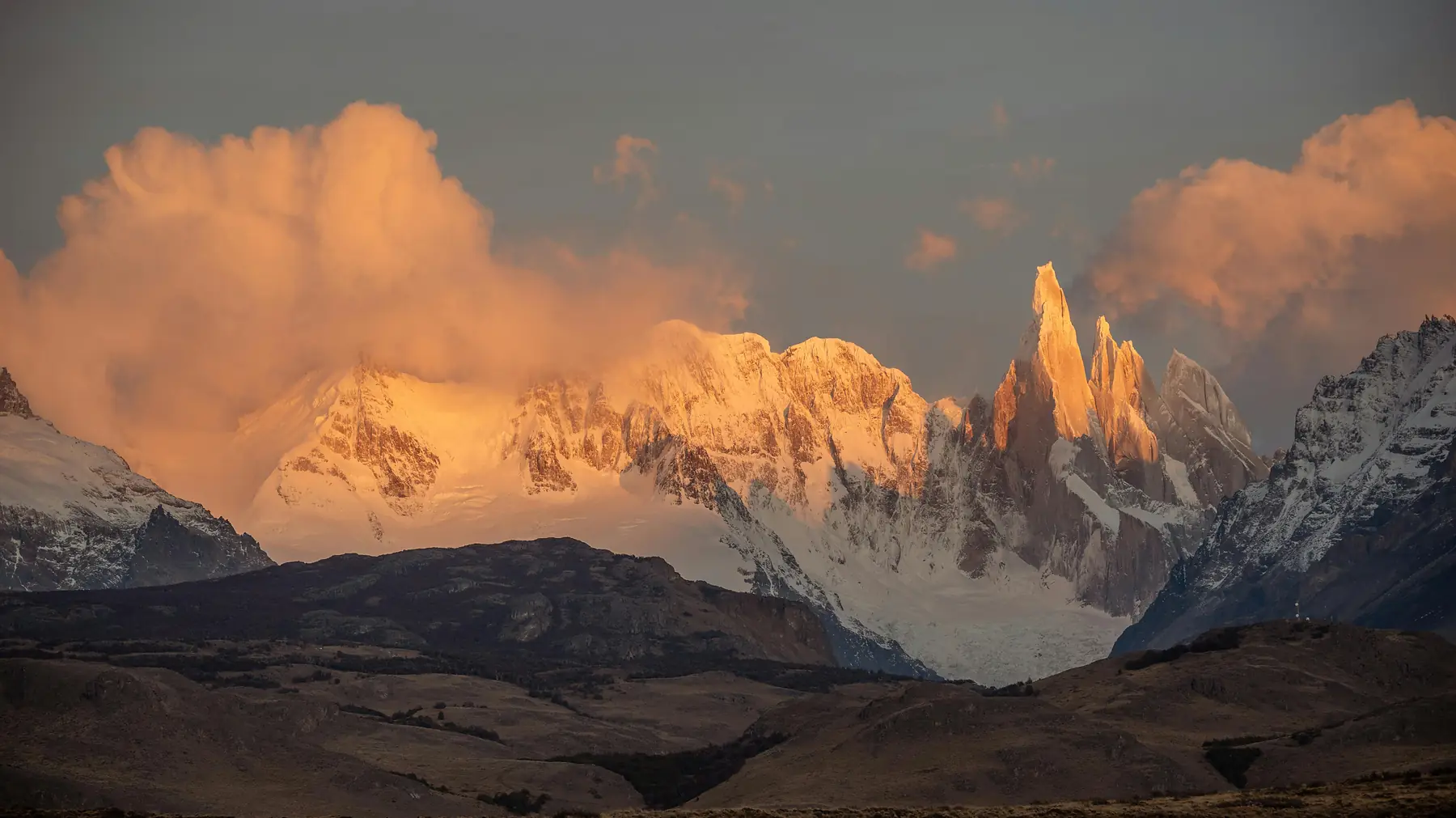
The primary visual difference between the two regions lies in their vertical relief. In Patagonia, the mountains seem to erupt directly from the steppe. The granite towers of Torres del Paine and the jagged needles of El Chaltén offer a “sudden” scale that is rare elsewhere. In contrast, New Zealand’s Southern Alps are a sustained, traditional mountain range, offering a continuous spine of snow-capped peaks that feel more expansive but perhaps less “theatrical” than the Patagonian giants.
Glaciers are another area where the two regions diverge significantly. While New Zealand is famous for the Fox and Franz Josef glaciers, these have receded so significantly that ice-hiking now strictly requires a helicopter flight for access. Patagonia remains the king of accessible ice. The Perito Moreno glacier in Argentina is a 30 km long, 5 km wide behemoth that is one of the few glaciers on Earth still in a state of equilibrium (and occasionally advancing), allowing travelers to stand on wooden walkways just meters from calving ice walls. If you are trying to decide which Patagonian glacier to visit, you will find a scale here that New Zealand simply cannot match in the current climate.
The flora of both regions tells the story of their shared history. Both are dominated by Nothofagus (southern beech) forests, but the experience of walking through them differs. New Zealand’s “bush” is famously dense and impenetrable, a lush temperate rainforest that feels ancient and enclosed. Patagonian forests feel more skeletal and open, especially in the south, where the fierce winds shape the trees into “flag trees,” leaning permanently eastward.
Finally, the water color provides the finishing touch. Patagonia’s lakes are often fed by “glacial flour,” a fine rock silt that turns the water a surreal, opaque turquoise. New Zealand’s alpine lakes tend toward a deep, crystalline blue, though its fjords, like Milford Sound, offer a dramatic vertical scale that rivals the Patagonian channels.
Trekking & Infrastructure: Refugios vs. Backcountry Huts
The “on-trail” experience is where these two regions feel most different. New Zealand’s Great Walks are the gold standard of trail engineering. You can expect boardwalks over boggy ground, sturdy suspension bridges over every river, and clear signage at every junction. It is a “manicured” wilderness that allows you to focus entirely on the view rather than your footing.
Patagonia is raw. Even on the famous W Trek, trails are well-maintained but can still throw up muddy sections and rocky terrain, especially in poor weather. There are several stream crossings that can hit mid-shoe, plus boggy patches after rain. This ruggedness is part of the appeal for many, but it requires better footwear and a higher tolerance for physical “hassle.”
- Catering: Full board options available (hot dinner, breakfast, packed lunch) vs. Strictly self-catered (bring your own stove and food)
- Vibe: Social, hostel-like atmosphere with bars and craft beer vs. Quiet, communal spaces focused on the “tramping” tradition
- Bedding: Bunks often include linens or sleeping bags for rent vs. You must carry your own sleeping bag
- Booking: Private companies (Vertice and Las Torres) with complex systems vs. A centralized DOC booking portal
- Cost (2026/27): USD 176–370 per night (bed + full board) vs. $65 - $110 NZD per night (for Great Walks)
Choose Patagonia for social comfort; choose New Zealand for egalitarian solitude.
Booking these experiences has become a competitive sport in both regions. In New Zealand, the Milford Track often sells out for the entire season within minutes of the booking window opening (typically in May or June). In Patagonia, the challenge isn’t just speed but complexity. Because different companies own different campsites on the same trail, choosing between the W and the O requires coordinating dates across multiple booking platforms like Las Torres and Vertice Patagonia.
The private booking systems in Patagonia often time out during high-traffic periods. Keep a digital notepad open with your passport number, full name, and credit card details ready to copy-paste to ensure you don’t lose your spot while typing.

Wildlife and Safety: The “Danger Pee” Comparison
There is a psychological difference to walking in Patagonia: you are no longer at the top of the food chain. Patagonia is puma country. While attacks are incredibly rare, the knowledge that a 60-80 kg predator could be watching you from the tall grass changes the “vibe” of a solo hike. Rangers provide specific safety protocols, such as not letting children run ahead and knowing how to look “big” if you encounter one.
New Zealand, by contrast, has no native land mammals (except for two species of bats) and zero predatory animals. The most “dangerous” thing you’ll encounter is the Kea, a highly intelligent alpine parrot known for stripping the rubber seals off car windows or stealing boots from outside huts. This lack of predators makes New Zealand the ultimate destination for solo travelers or those who want to wander the woods at night without a second thought.
The pests, however, are a universal constant. Patagonia has the “Tabano,” a large, persistent horse fly that appears in January and is seemingly immune to DEET. New Zealand has the sandfly, particularly on the West Coast and around Milford Sound. Both will test your patience, but New Zealand’s sandflies are a year-round presence, whereas the Tabanos are a seasonal nuisance.
Logistics: Getting Around the Deep South
The way you move through these landscapes defines the trip. New Zealand is the global capital of “Campervan Culture.” The South Island is perfectly set up for it, with holiday parks, dump stations, and grocery stores at regular intervals. It offers a level of freedom that is hard to replicate elsewhere; if you see a beautiful lake, you can often find a designated spot nearby to park and wake up to that view.
Patagonia is built around “Long-haul Bus Culture.” While you can rent a car, the vast distances and the gravel nature of roads like Ruta 40 or the Carretera Austral make it a punishing environment for small vehicles. Most travelers rely on the highly efficient, comfortable bus networks that connect hubs like El Calafate and Puerto Natales.
One major logistical hurdle in Patagonia that doesn’t exist in New Zealand is the international border. Most comprehensive Patagonia trips involve crossing between Chile and Argentina, which means multiple customs checks, restrictions on carrying fresh fruit or honey across the border, and the time-consuming “border shuffle.” In New Zealand, you can drive from the top of the South Island to the bottom without ever showing a passport.
If driving a rental car between Chile and Argentina, you must secure a specific “Permiso para salir al extranjero” from the rental agency at least 10-14 days in advance. This permit costs approximately $120 - $160 USD and is mandatory for the border crossing.
Cost Comparison: Budgeting for 2026/2027
New Zealand was historically the more expensive destination, but as of 2025 and looking into 2026, the gap has closed or even reversed in some categories. Patagonia’s national park fees are now significantly higher for international visitors than New Zealand’s, where many parks remain free to enter (though Great Walk hut fees are substantial).
When budgeting for your trip, you must account for the extreme currency volatility in Argentina. While the US Dollar often goes a long way for food and wine in Argentina, the “tourist prices” for flights and hotels are often pegged to the dollar, meaning you won’t see the same savings on big-ticket items.
Estimated Daily Budgets (USD for 2026/27 Season):
- Budget (Camping/Hostels/Buses): $90 - $120 in NZ | $100 - $140 in Patagonia
- Mid-range (Huts/B&Bs/Rental Car): $160 - $220 in NZ | $190 - $270 in Patagonia
- Luxury (Lodges/Private Tours/Flights): $450+ in both regions
Value for money often feels higher in Patagonia when it comes to the “après-hike” experience. A $35 USD steak and a bottle of world-class Malbec in El Chaltén is a culinary peak that is hard to match for the same price in a New Zealand tourist hub like Queenstown.
Food, Culture, and the “Après-Hike”
The cultural “vibe” of the two regions is distinct. Patagonia feels like a frontier. Towns like El Chaltén have a rugged, dusty, end-of-the-road energy where everyone is wearing Gore-Tex and the conversation revolves entirely around weather windows and climbing routes. The food is heavy on meat, Italian-influenced pizzas, and red wine, reflecting the heritage of the region’s settlers.
New Zealand’s mountain towns, like Queenstown or Wanaka, are more polished. They are “adventure capitals” where you can go from a multi-day trek to a high-end cocktail bar or a boutique seafood restaurant in the space of an hour. The “flat white” café culture is ubiquitous; you are never far from a world-class espresso, even in relatively remote villages.
Language is the other obvious divider. While English is the lingua franca of the New Zealand backcountry, Patagonia requires at least a basic grasp of Spanish once you step off the main tourist trail. Being able to ask about bus schedules or trail conditions in Spanish isn’t just a courtesy; it’s a practical necessity in many parts of the Chilean fjords or rural Argentina.

Weather and Timing: When to Go Where
Both regions share the “four seasons in a day” reputation, but they wear their weather differently. The best time to visit either is the southern summer (December to February), but you should prepare for different challenges.
Patagonia’s defining characteristic is the wind. Sustained winds of 60-80 km/h are common, and gusts can exceed 120 km/h, literally knocking trekkers off their feet on exposed passes. New Zealand is generally more humid and prone to heavy, sustained rain, particularly on the West Coast, which can see several meters of rainfall a year.
If you are a photographer, the summer vs shoulder season debate is critical. April in Patagonia is spectacular; the Nothofagus forests turn a fiery red and orange, and the winds tend to drop. April in New Zealand offers settled, golden weather, but the evergreen nature of much of the native bush means you don’t get the same dramatic color change as you do in the Andes.
The Verdict: Which One Should You Choose?
The “better” destination depends entirely on what you value in a wilderness experience. Neither will disappoint, but one will likely fit your travel style better than the other.
Choose Patagonia if:
- You want the most dramatic, “vertical” mountain scenery on Earth.
- You want to see massive, active glaciers up close without a helicopter.
- You enjoy a social, “hostel” vibe at the end of a hiking day.
- You don’t mind a bit of logistical “friction” and rugged trail conditions.
Choose New Zealand if:
- You want the freedom of a campervan and a “road trip” feel.
- You value high-quality infrastructure, safety, and manicured trails.
- You want a diverse range of landscapes (volcanoes, beaches, and Alps) in a small area.
- You prefer a self-catered, egalitarian hut system over a commercial refugio.
If you are still undecided, the budget might be the tie-breaker. While Patagonia can be more expensive to reach and enter, the “on-the-ground” cost of living in Argentina can be lower if you enjoy high-quality food and wine. Conversely, if you want a stress-free, English-speaking environment where everything “just works,” New Zealand is the clear winner.
To help you decide your next steps, explore our related comparison guides:

FAQ
QUESTION: Is Patagonia more expensive than New Zealand for a two-week trip? ANSWER: As of the 2026/27 season, Patagonia is often slightly more expensive for trekkers due to high national park fees (approx. $50 USD for Torres del Paine) and the high cost of private refugios, whereas New Zealand offers many free parks but expensive Great Walk huts.
QUESTION: Is the trekking in New Zealand harder than in Patagonia? ANSWER: Patagonia’s trails are generally more rugged and exposed to extreme winds. However, while New Zealand’s “Great Walks” are highly maintained, its “backcountry” routes are often more technical and steeper than standard Patagonian hiking trails.
QUESTION: Do I need to speak Spanish to visit Patagonia compared to New Zealand? ANSWER: While English is common in hubs like El Calafate and Puerto Natales, basic Spanish is essential for navigating local buses and remote areas in Patagonia. New Zealand is entirely English-speaking.
QUESTION: Which region has better wildlife, Patagonia or New Zealand? ANSWER: Patagonia offers more visible large mammals like guanacos and pumas. New Zealand is unique for its birdlife (Kea, Kiwi) but has no native land mammals, making it safer but less “wild” in terms of megafauna.
QUESTION: Are the glaciers in Patagonia better than those in New Zealand? ANSWER: Yes. Patagonia’s glaciers are significantly larger and more accessible. Perito Moreno allows for close-up viewing from land, whereas New Zealand’s major glaciers have retreated so far that they are best seen via helicopter.
QUESTION: Which is safer for solo travelers, Patagonia or New Zealand? ANSWER: Both are very safe, but New Zealand is often ranked higher for solo travelers due to the total absence of predatory wildlife and a highly centralized emergency response system (PLB rentals are widespread).