

Tierra del Fuego Travel Guide
The islands at the end of South America, shared by Chile and Argentina.
Visiting Tierra del Fuego
At the very bottom of South America, Tierra del Fuego is where you can sail the Beagle Channel past sea lion colonies, walk among penguins on Martillo Island, hike through sub-Antarctic forest that runs down to the sea, and board a ship for Antarctica. Most of that happens around Ushuaia, the lively Argentine town where nearly every visit begins, and three or four days there covers the highlights.
Cross to the Chilean side and the island changes character: king penguins on Bahía Inútil, empty estancia roads and, on Isla Navarino, the southernmost trek in the world. This guide covers both sides, with links to our full guides for each place.
Tierra del Fuego at a Glance
- Where The archipelago at the southern tip of South America, split between Chile (west) and Argentina (east)
- Main town Ushuaia, Argentina, with flights from Buenos Aires and El Calafate
- Chilean side Porvenir, reached by ferry from Punta Arenas
- Best known for The Beagle Channel, Tierra del Fuego National Park, penguins, Antarctica cruises
- Main season October to April; Ushuaia also has a ski season from June to September
- How long 3 to 4 days for Ushuaia, a week to add the Chilean side or Isla Navarino

Chilean or Argentine Tierra del Fuego?
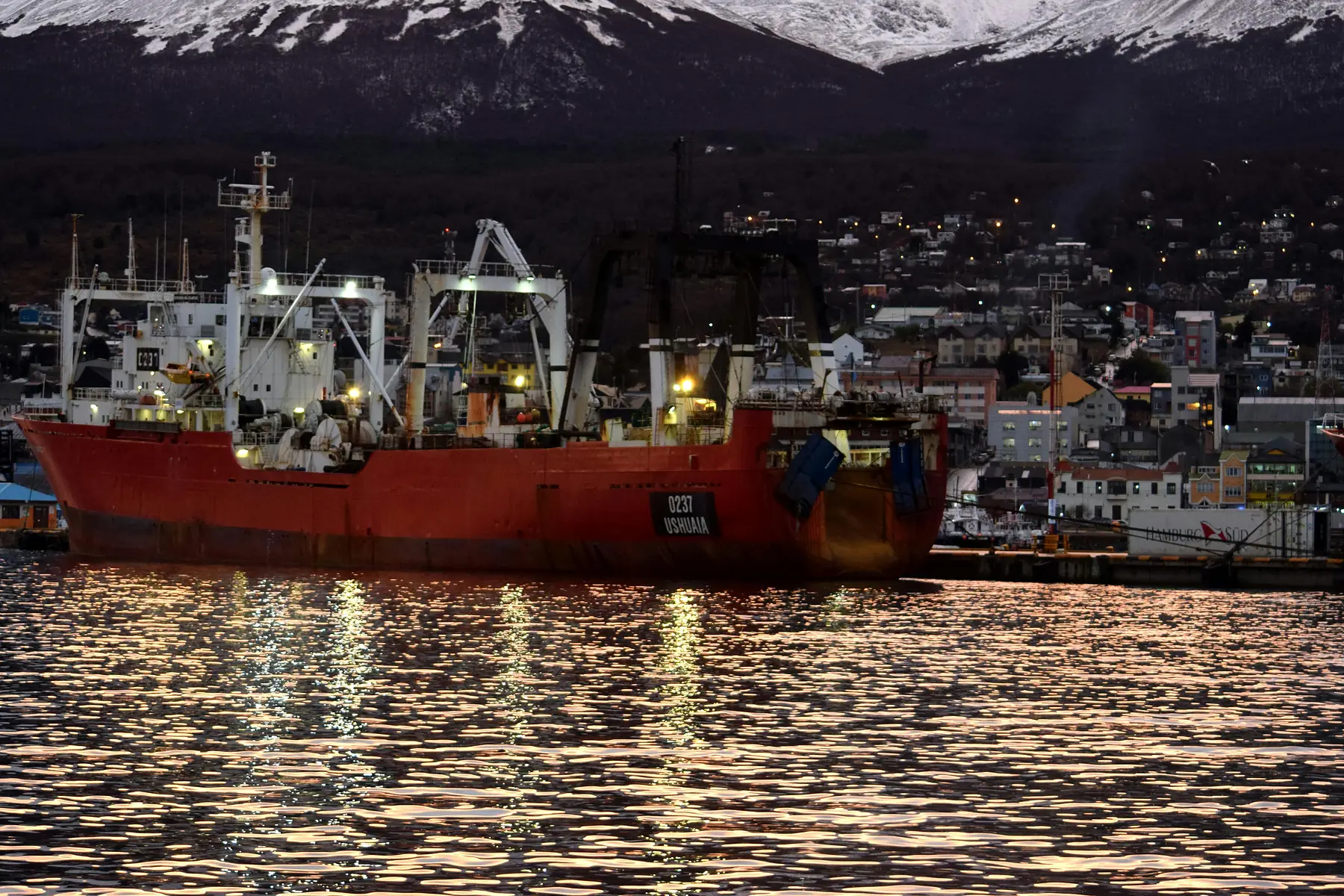
Isla Grande, the main island, is split down the middle by the border, and the two halves feel very different. The Argentine side has the towns, the flights and nearly all the tours. The Chilean side has more wildlife and fewer people, but you need your own transport and a good deal of self-sufficiency.
For a first visit, base yourself in Ushuaia. If you are already in Punta Arenas with a car, a loop through Chilean Tierra del Fuego to Ushuaia is one of the great road trips of the region.
Ushuaia and the Beagle Channel
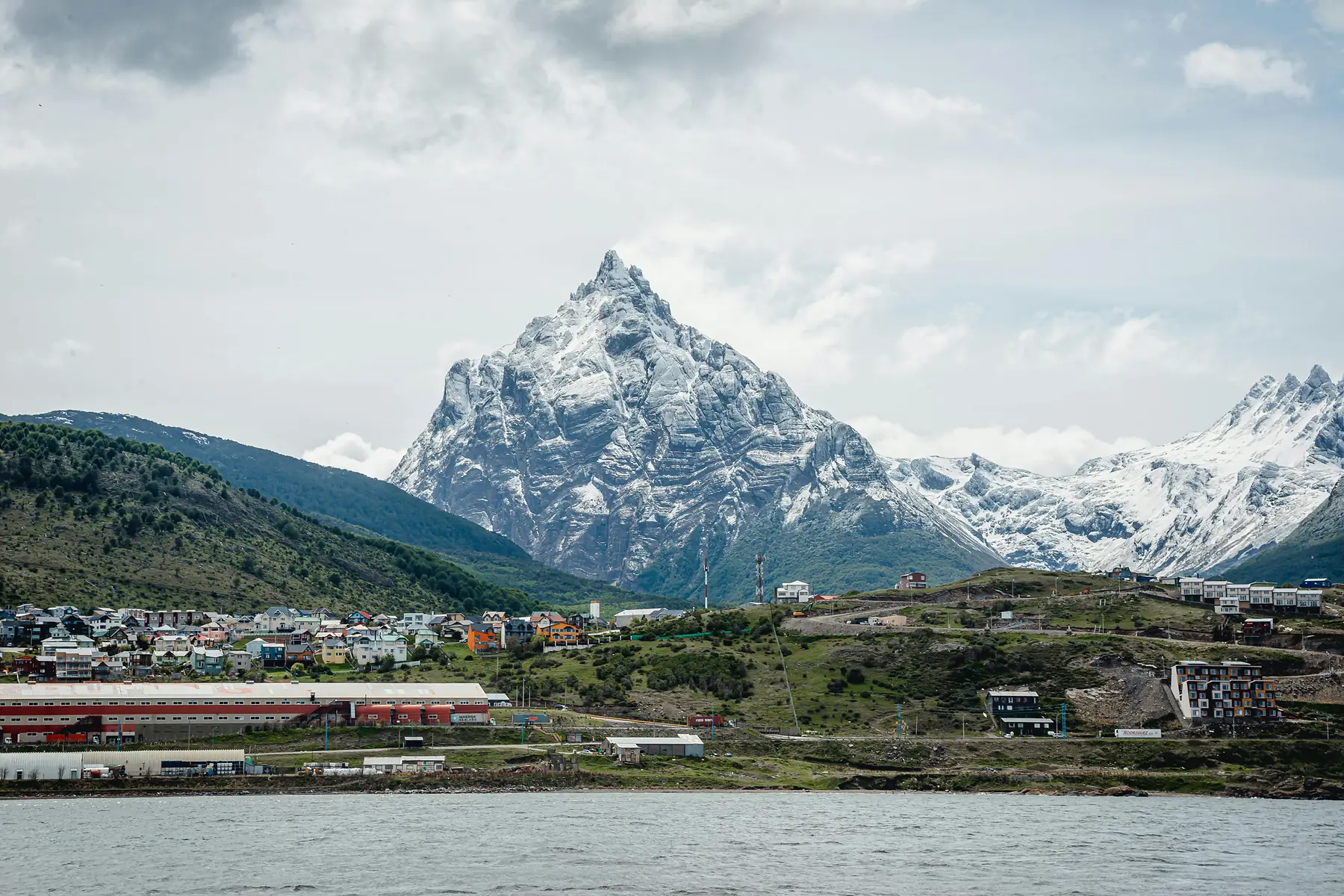
Ushuaia sits between the Martial mountains and the Beagle Channel and is where almost every Tierra del Fuego trip starts. It is a lively town with good restaurants, plenty of hotels and tour offices along the waterfront, and it is the main port for ships to Antarctica.
The classic outing is a boat trip on the Beagle Channel past sea lion and cormorant islands to the Les Éclaireurs lighthouse. Some trips continue to Martillo Island to see penguins. On land, you can hike to Laguna Esmeralda or the Martial Glacier, ride the End of the World Train, or visit the old prison museum.
See our things to do in Ushuaia, best hikes near Ushuaia and Ushuaia tours, and the Ushuaia restaurant guide for where to eat.
Tierra del Fuego National Park
Just 12 km west of Ushuaia, Tierra del Fuego National Park is the only national park in Argentina where mountains and forest run down to the sea. Its trails are short and gentle by Patagonian standards: the Senda Costera follows the shore of the Beagle Channel, and the climb up Cerro Guanaco gives the best view over the park. The road through it ends at the southern end of Ruta 3, the end point of the Pan-American Highway.
You can reach it by shuttle, taxi or tour from Ushuaia in a day, or camp at one of its sites. Our Tierra del Fuego National Park guide covers the trails, fees and how to get in.

Chilean Tierra del Fuego
The Chilean half of Isla Grande is estancia country: long gravel roads, sheep farms, lakes and almost no traffic. The small town of Porvenir is the base, a ferry ride across the Strait of Magellan from Punta Arenas.
The main draw is Parque Pingüino Rey on Bahía Inútil, a colony of king penguins about 100 km from Porvenir on gravel roads with no public transport. Further south, the Karukinka reserve protects forest, peat bogs and mountains that very few people see. Shops and fuel outside Porvenir are scarce, so arrive with everything you need.
Learn more about the penguins of Patagonia, and see our Punta Arenas guide for the starting point.

Isla Navarino and Cape Horn
South of the Beagle Channel lies Isla Navarino, Chilean territory, with the small town of Puerto Williams. Puerto Williams is further south than Ushuaia, and the island has one of the toughest treks in South America: the Dientes de Navarino circuit, about five days through jagged peaks with no huts and little marked trail. You reach Puerto Williams by a short flight or a long ferry from Punta Arenas, or a boat from Ushuaia when it runs.
Further south still is Cape Horn, the island at the edge of the Drake Passage. The way to see it is on an expedition cruise between Punta Arenas and Ushuaia, which visits the fjords and glaciers of the Chilean channels on the way. Compare the options in our Patagonia cruises guide.
How to Get to Tierra del Fuego
Tierra del Fuego is an island, so getting there means a flight or a ferry. The simplest way is to fly to Ushuaia from Buenos Aires or El Calafate. From Chile, you can take the ferry from Punta Arenas to Porvenir, or the long-distance bus from Punta Arenas to Ushuaia, which crosses the Strait of Magellan on a short ferry at Primera Angostura and passes through Río Grande on the way.
If you are driving, check that your rental company allows the car on the ferry and across the border into Argentina, and carry the paperwork they give you. Our how to get to Ushuaia guide has flight and bus details, and Patagonia border crossings explains the crossing between the two sides.

When to Visit Tierra del Fuego
The main season runs from October to April, when the days are long and the boat trips and penguin tours run. December to February is the warmest and busiest time, and also the Antarctica cruise season. Expect cool, changeable weather all year: even in summer, days in Ushuaia are often around 10 to 15°C, with wind and showers.
In winter, from June to September, Ushuaia becomes a ski and snow town, with downhill skiing at Cerro Castor and cross-country trails in the valleys. Most tours on the Chilean side stop. See our Ushuaia weather guide month by month.
Plan Your Tierra del Fuego Trip
Where to stay, how to put a week together, and how Ushuaia compares with the rest of Patagonia.


Frequently Asked Questions
Where is Tierra del Fuego?
Tierra del Fuego is the group of islands at the southern tip of South America, across the Strait of Magellan from the mainland. Its largest island, Isla Grande, is split between Chile in the west and Argentina in the east. Ushuaia, on the Argentine side, is its main town.
Is Tierra del Fuego in Chile or Argentina?
Both. The border runs north to south down Isla Grande, so the western part, including Porvenir, is Chilean and the eastern part, including Ushuaia and Río Grande, is Argentine. Most of the smaller islands to the south, including Isla Navarino and Cape Horn, are Chilean.
What does Tierra del Fuego mean?
It means "land of fire". The name comes from the fires that European sailors saw burning along the coast, lit by the Yaghan and Selk'nam people who lived there.
How do you get to Tierra del Fuego?
Most people fly to Ushuaia from Buenos Aires or El Calafate. From Chile, take the ferry from Punta Arenas to Porvenir, or the bus from Punta Arenas to Ushuaia, which crosses the Strait of Magellan on a short ferry at Primera Angostura.
Is Tierra del Fuego National Park the same as Tierra del Fuego?
No. Tierra del Fuego National Park is one protected area just west of Ushuaia, on the Beagle Channel. Tierra del Fuego is the whole archipelago, of which the park is a small part.
How many days do you need in Tierra del Fuego?
Three to four days covers Ushuaia, the national park and a Beagle Channel boat trip. Allow a week if you also want to visit the king penguins on the Chilean side or hike on Isla Navarino.
Can you see penguins in Tierra del Fuego?
Yes. Magellanic and gentoo penguins nest on Martillo Island in the Beagle Channel, reached by boat or on walking tours from Ushuaia, roughly from October to March. On the Chilean side, Parque Pingüino Rey on Bahía Inútil has a colony of king penguins.
Start With Ushuaia
Most Tierra del Fuego trips begin in the town at the end of the world.