

Camping is the lowest-cost way to sleep on the W Trek and a required part of the O Circuit, but every night must fit a confirmed route across the park’s separate operators. For W-specific route and trail-night choices, see the W Trek planning guide. The comparisons below explain what each active sector is for and where to check current availability.
To understand how camping fits into the broader strategy of visiting the park, start with our complete guide to Torres del Paine accommodation.
TLDR: Central is the road-accessible start or finish; Chileno sits on the Base Torres approach; Cuernos and Francés cover the central W; Paine Grande connects the catamaran, French Valley and Grey; and Serón, Dickson and Los Perros form the northern O Circuit sequence.
Campsite status, equipment packages, meal rules and prices can change each season. Check the complete night-by-night sequence across Las Torres Patagonia and Vértice before paying for any individual site.
W Trek Campsites
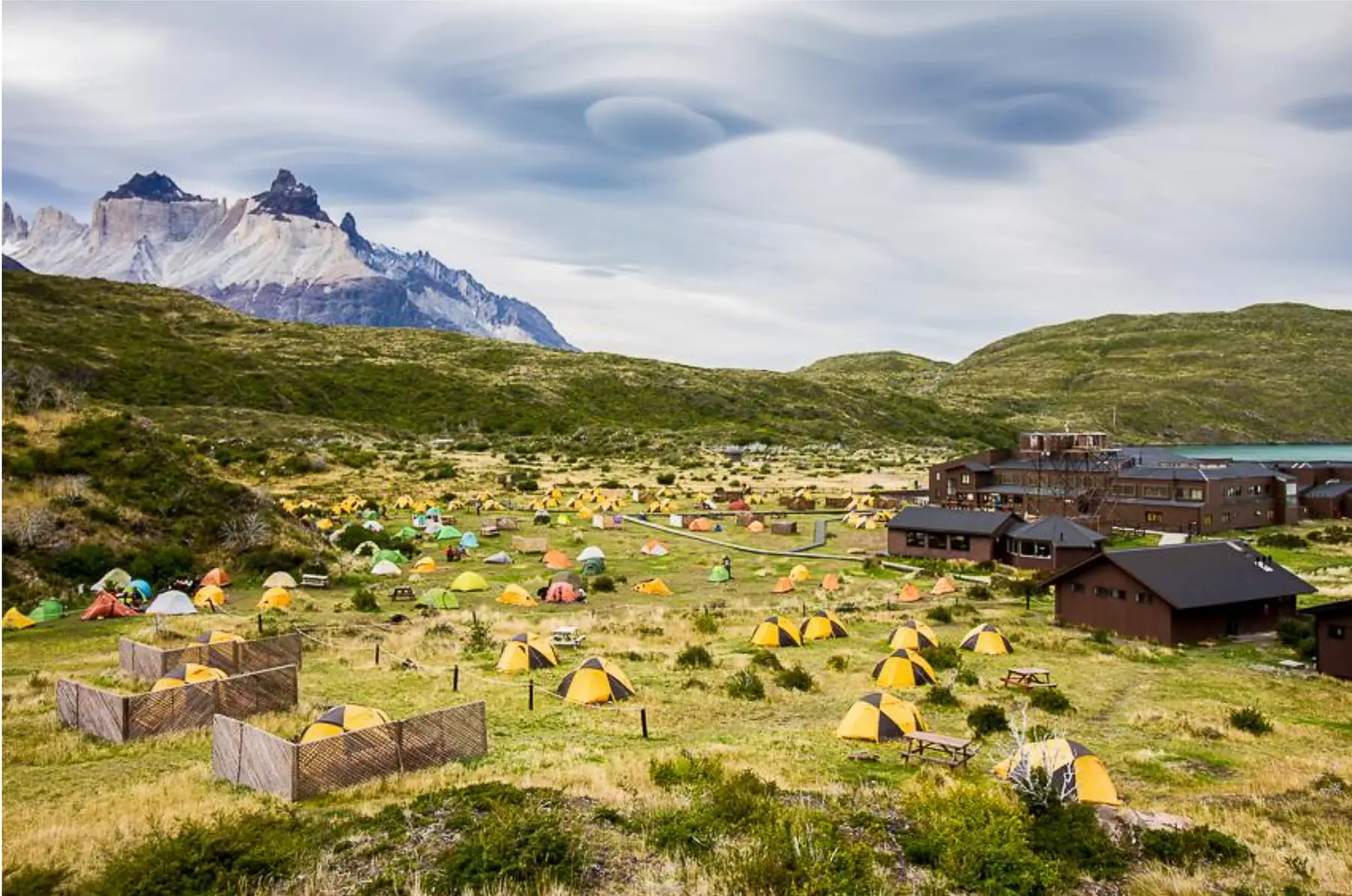
Camping Central
Central is reached by road and sits beside the Base Torres trailhead services. It is the easiest place to test gear, start the route or finish before onward transport.
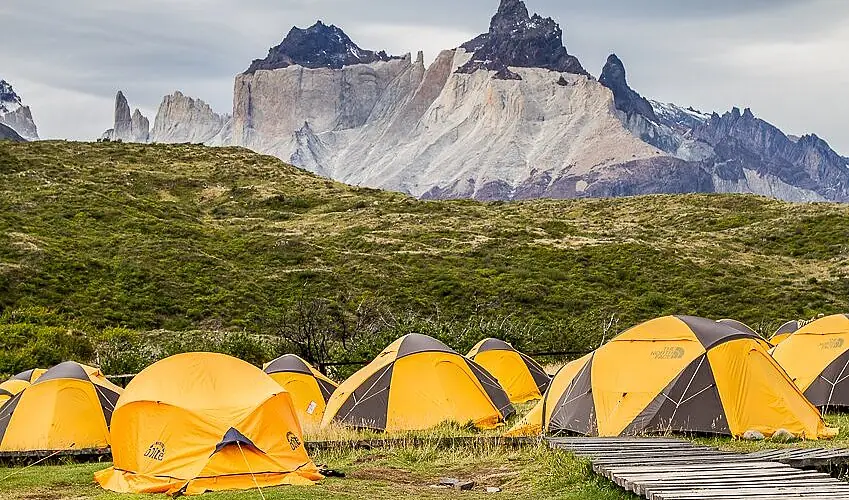
Camping Chileno
Chileno shortens the pre-sunrise approach to Mirador Base Torres and is the strategic eastern-W camp. Cooking restrictions and limited inventory make it essential to verify the current meal and equipment rules.
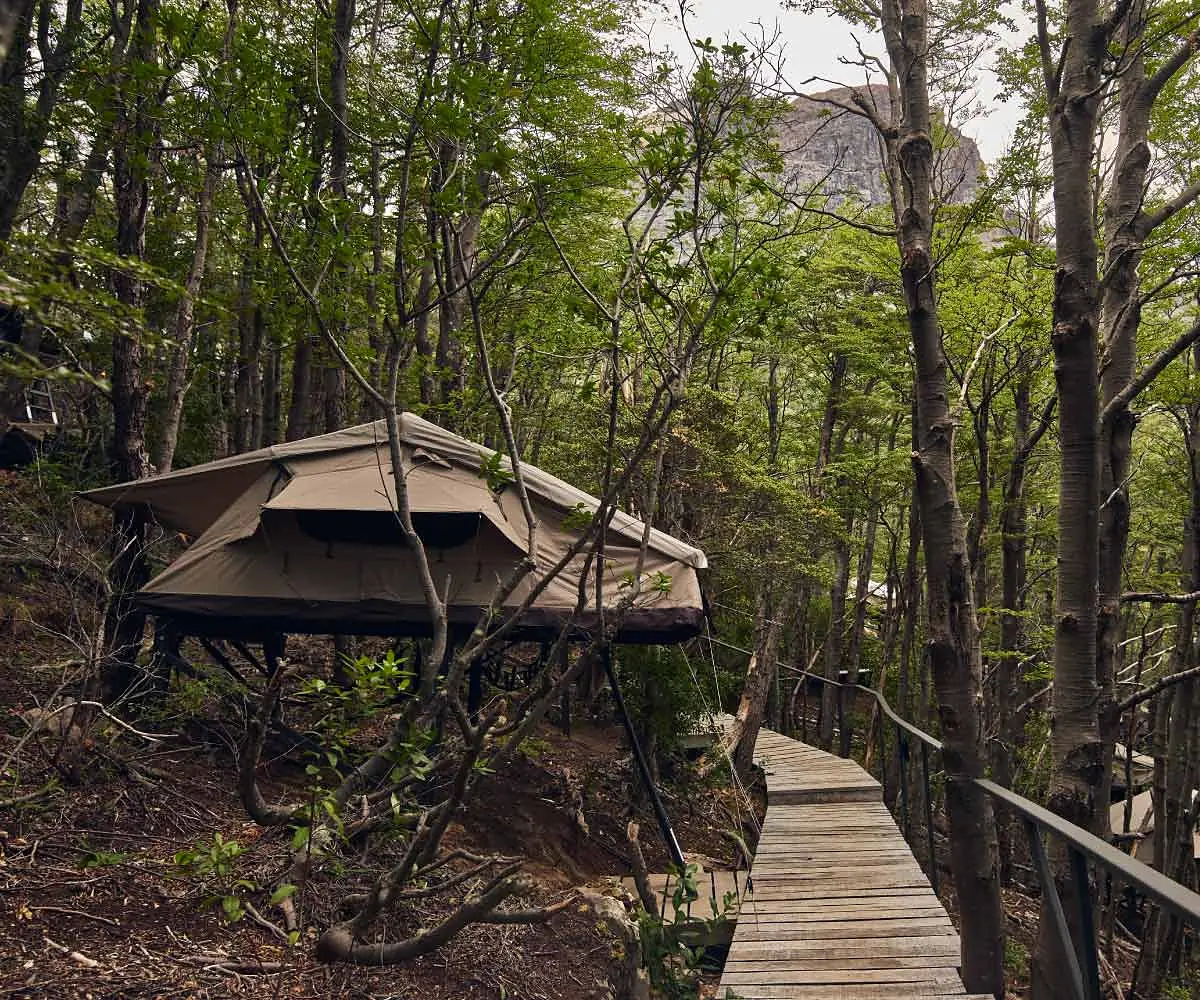
Camping Los Cuernos
Cuernos breaks up the route beneath the park's horn-shaped peaks. Choose it for the setting and central-W position, then confirm whether the selected product is a basic pitch, platform or equipped tent.
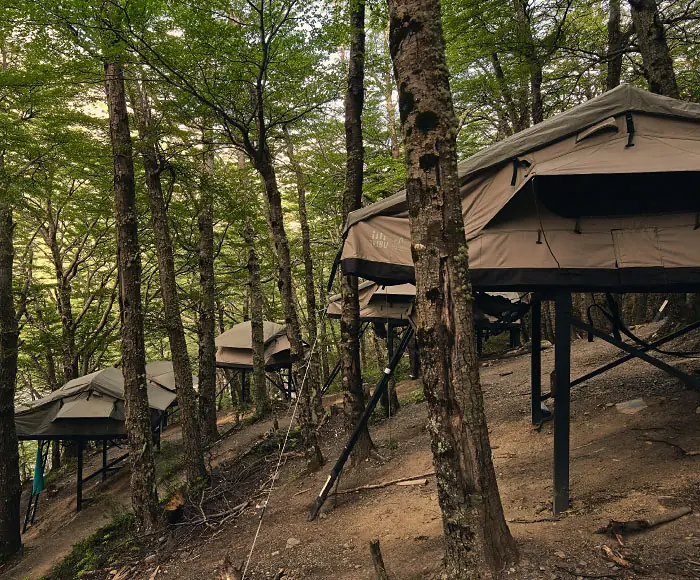
Camping Francés
Francés sits close to the French Valley branch and is useful when that hike is a route priority. The sloping forest layout involves stairs and separated facilities, so arrive with enough daylight to settle in.
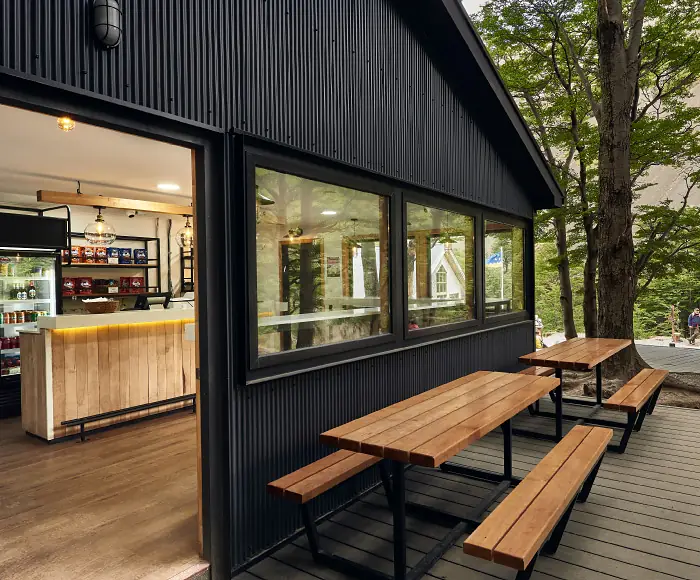
Camping Paine Grande
Paine Grande connects the Pudeto catamaran with the French Valley and Grey routes. It has substantial services but sits in a very exposed wind corridor, so a secure tent setup matters.
Camping Grey
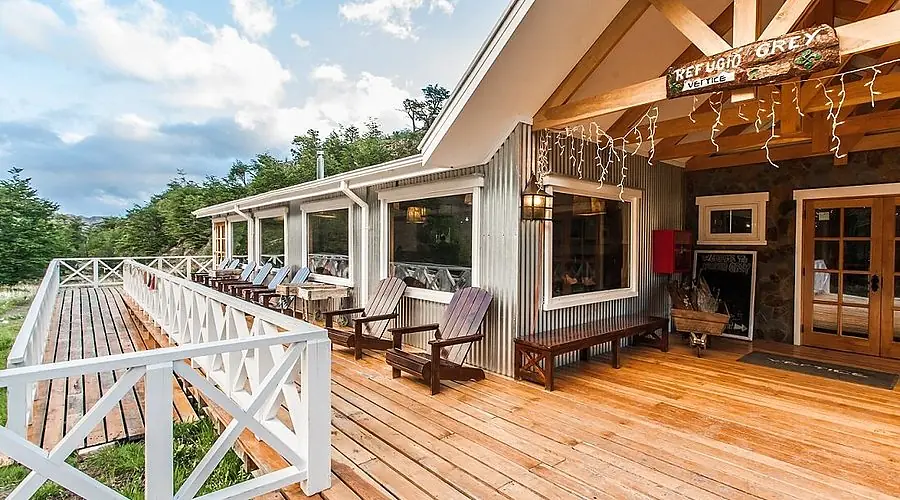
Grey is the camping base for the glacier, suspension bridges and optional ice or kayak activities. Its forest setting is more sheltered than Paine Grande and works well as a W Trek endpoint.
O Circuit Campsites
Camping Serón
Serón is the first camping-only stage after leaving the Central sector on a counterclockwise O Circuit. It is a route requirement rather than a W Trek option and should be booked with the northern sequence.
Camping Dickson
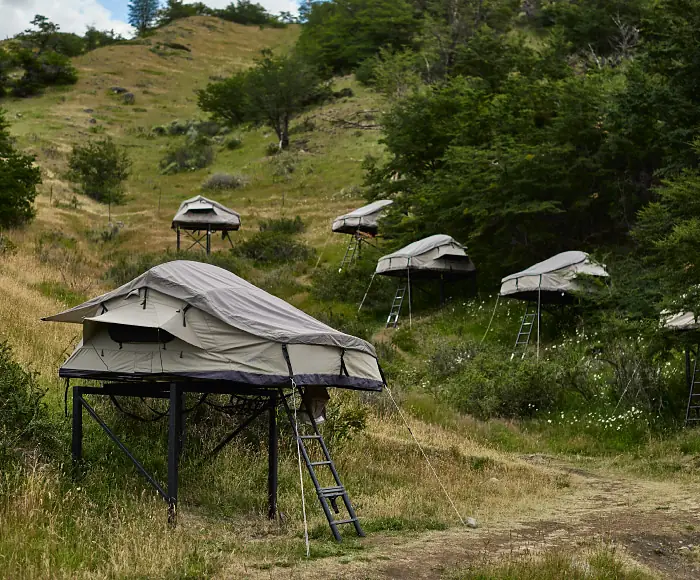
Dickson sits beside the lake and glacier on the remote northern circuit. It is an O-only night that must align with Serón before it and Los Perros after it.
Camping Los Perros
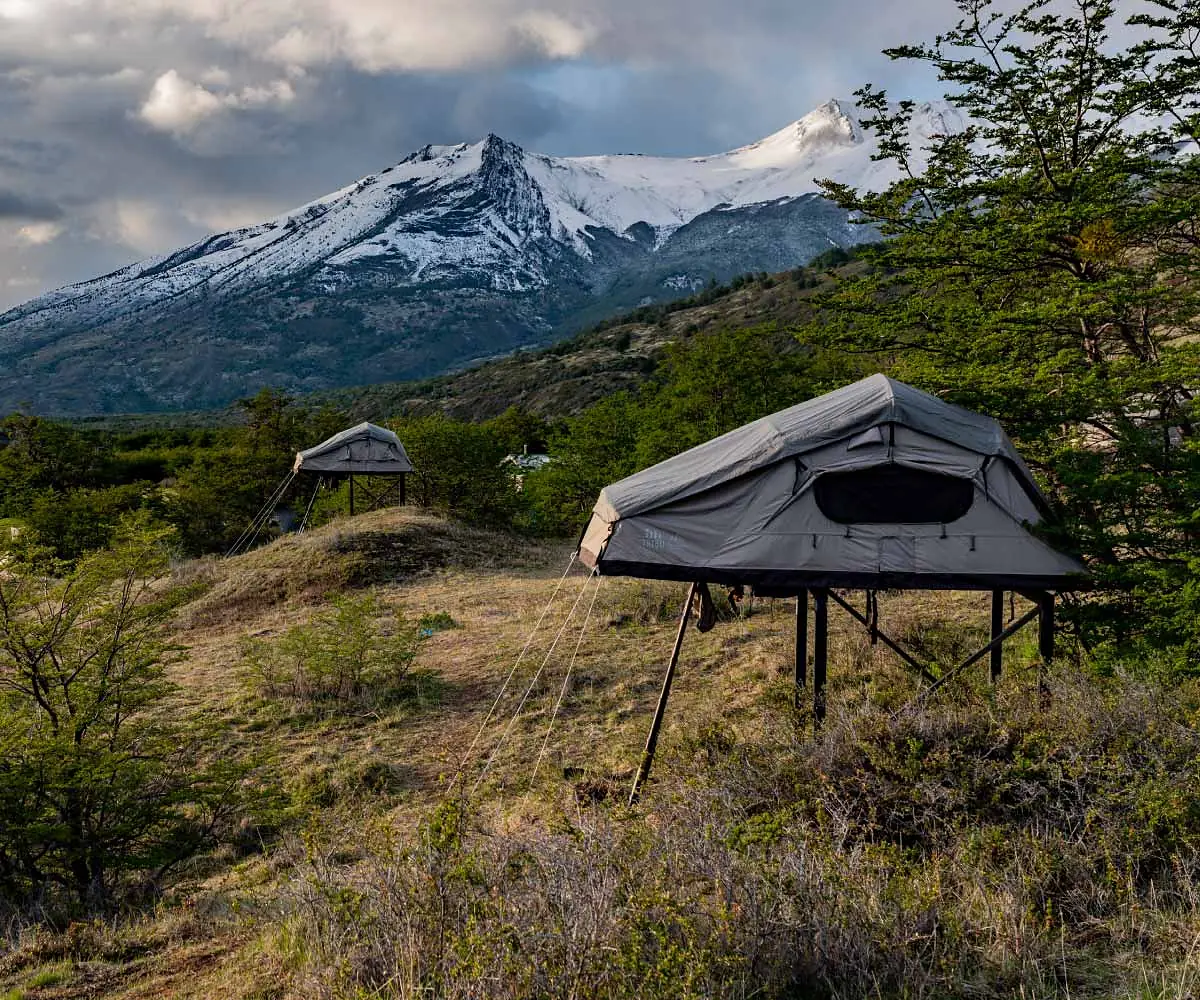
Los Perros is the final night before crossing John Gardner Pass and has the route's most basic facilities. Prepare offline navigation and equipment before arriving, and verify current services directly.
The Torres del Paine Camping System Explained
The park’s campsites are split between two private operators, Vértice Patagonia and Las Torres Patagonia, while CONAF manages the national park itself.
Historic CONAF camps such as Italiano and Paso should not be treated as bookable overnight stops. Check the current park map and operator inventory before planning your route, because site status can change.
Because the sites are spread across different sectors, you must coordinate your bookings between the two companies based on your hiking direction. To visualize where these sites sit along the trails, you can refer to our Torres del Paine map.
Types of Camping: Individual vs. Fully Equipped
When booking your sites, you will choose between bringing your own gear or renting it directly at the campsite. This choice significantly impacts both your pack weight and your daily costs.
Individual Camping is the traditional method. You pay a fee for the site or platform and provide your own tent, sleeping bag, and sleeping mat. This is the most economical way to trek, but it requires carrying 12–15kg of gear over steep terrain.
Fully Equipped Camping (often called “Pre-set Tents”) is an increasingly popular middle ground between camping and staying in a refugio. When you arrive at camp, a high-quality tent is already pitched for you on a platform, usually equipped with a thick foam mat and a professional-grade sleeping bag. This option allows you to hike with a much lighter daypack while still enjoying the atmosphere of the campgrounds.
The Platform Factor Most campsites in the park now utilize wooden or steel platforms rather than dirt pitches. These protect the fragile Patagonian topsoil from erosion and keep your tent dry during heavy rain. However, they present a challenge for non-freestanding tents. If your tent requires stakes to stand, you will need extra guy lines or specialized “fishbone” anchors to secure it to the gaps in the wooden slats.
If you are debating whether the extra cost of pre-set tents is worth it for your specific itinerary, we have a detailed comparison of camping vs. refugios on the W Trek.
Vertice Patagonia Campsites: The Western & Northern Sectors
Vertice Patagonia manages the campsites on the western side of the W Trek and the remote northern section of the O Circuit. These sites are generally known for their efficient facilities and proximity to the park’s most dramatic ice features.
Paine Grande Paine Grande is a major route hub and serves as the arrival point for the catamaran from Pudeto. Its open position can be extremely windy, so use a wind-stable tent and secure it carefully. Check Vértice for the current facility list.
Grey Located a short walk from the face of Glacier Grey, this campsite is tucked into a relatively sheltered wooded area. It offers much better wind protection than Paine Grande and is the primary base for those taking glacier boat tours or ice hiking excursions.
Dickson Dickson sits above Lago Dickson and the surrounding peaks on the northern O Circuit. It is not part of a standard W Trek, and its operating window can be shorter than sites on the front side of the park. Confirm current dates with Vértice.
Los Perros This is the most basic and rugged site in the Vértice network. It is the final stop before crossing John Gardner Pass on the O Circuit. Prepare for limited services and have your route information available offline.
Las Torres Patagonia Campsites: The Eastern & Central Sectors
Las Torres Patagonia (formerly Fantastico Sur) operates the sites on the eastern side of the park, including the access points for the famous Base Torres towers.
Central Located near the Welcome Center and the Laguna Amarga shuttle drop-off, Camping Central is the starting point for most hikers. It is a large, busy site with easy access to the hotel bar and restaurant nearby. It serves as a good “shakedown” night to test your gear before heading deeper into the mountains.
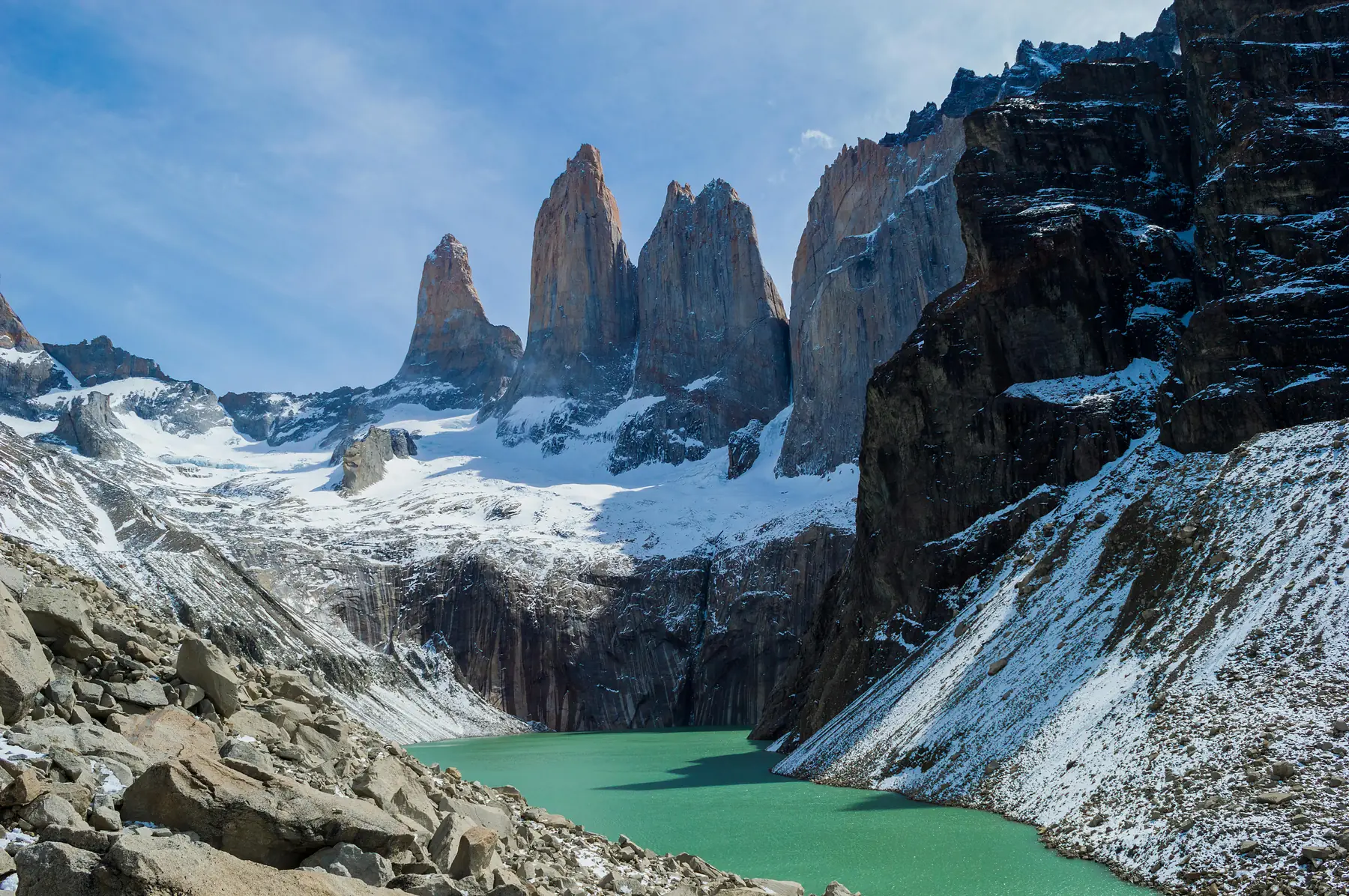
Chileno Chileno is the most high-demand site in the park because it sits halfway up the trail to the Base Torres lookout. Staying here allows you to reach the towers for sunrise with a much shorter hike than starting from Central.
Cuernos Nestled at the base of the “Horns” of Patagonia, this site is famous for its “Premium” platforms which are elevated high off the ground with spectacular views of Lago Nordenskjöld. It is a smaller, more intimate site than Central or Paine Grande.
Francés Located between Cuernos and the French Valley, Camping Francés is built on a steep slope. The platforms are arranged like a staircase through the forest. It is the closest site to the French Valley, making it an ideal base for exploring the park’s interior.
Serón Serón is the first camp on the O Circuit if hiking counter-clockwise. It is set in a vast meadow famous for its spring daisies and, unfortunately, its intense mosquito population in December and January. Like Dickson, it is only accessible to those hiking the full loop.
How to Book Camping in Torres del Paine
The booking process is the most significant hurdle for any Patagonia trip. You cannot simply show up and find a spot; you must have a confirmed reservation for every single night of your stay before you are allowed to start your trek at the park entrance.
When to Book Peak-season campsites can sell out well ahead of travel. Begin checking both operators as soon as your dates are firm and confirm the complete sequence before buying transport or park entry.
The Multi-Cart Problem Because the park is split between Vertice and Las Torres, you cannot book a full trek in a single transaction. You must coordinate dates between the Vertice Patagonia website and the Las Torres Patagonia website. If one site is full, your entire itinerary may need to shift.
New Park Entry System Park entry tickets are separate from campsite reservations. Check the current pass types, validity and prices at Pases Parques before travel.
Using Aggregators To simplify this, many trekkers use TorresHike, a local aggregator that shows availability for both companies on a single interface. While they charge a small convenience fee, the ability to see the “big picture” of park availability in real-time is often worth the cost for those who find the official websites’ interfaces frustrating.
For a detailed walkthrough of how to piece together these nights into a logical route, see our guide on how to book the W Trek.
If the available nights do not make a workable route, compare an arranged W Trek package before changing your itinerary.
Essential Camping Gear & Rental Options
Patagonia’s weather is the ultimate gear tester. A tent that survives a summer festival in Europe or North America will likely fail in a 90 km/h Patagonian rainstorm.
Technical Requirements
- The Tent: You need a true 4-season tent or a high-end, sturdy 3-season model. Avoid “ultralight” tents with thin poles unless they are specifically rated for high winds.
- The Sleeping Bag: Even in mid-summer (January), night temperatures can drop to 0°C (32°F). Your bag should have a “Comfort” rating of at least -5°C (23°F).
- The Stove: Most hikers use small isobutane/propane canister stoves (like a Jetboil or MSR PocketRocket). Note that you cannot fly with fuel canisters; you must purchase them in Puerto Natales before heading to the park.
Rental Hubs If you don’t want to fly with a full camping setup, you have two options. You can rent gear in Puerto Natales from shops like “Rental Natales” or “Big Foot,” which is significantly cheaper. Alternatively, you can book the “Fully Equipped” options at the campsites mentioned earlier. This is more expensive but saves you from carrying a heavy pack between camps.
To ensure you don’t miss any critical items like waterproof pack liners or specialized stakes, refer to our Torres del Paine packing list.

Life at Camp: Facilities and Rules
Daily life in the campsites follows a specific rhythm dictated by park regulations and the needs of the environment.
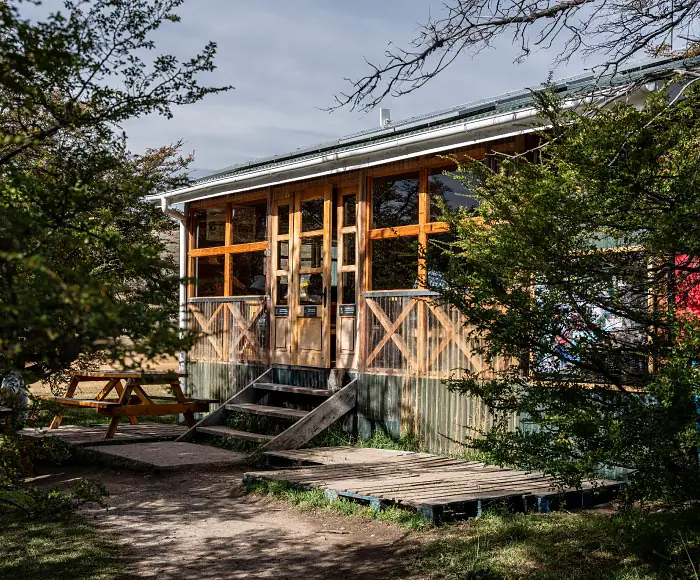
The Quincho (Cooking Shelter) To prevent the catastrophic forest fires that have devastated the park in the past, cooking is strictly limited to designated shelters called quinchos. These are usually enclosed or semi-enclosed structures with benches and tables. You are not allowed to use your stove on your tent platform or anywhere else on the trail.
Bathrooms and Showers Shower availability and hot-water hours vary by site and season. Check the operator’s current facility list and expect queues at popular evening times.
Connectivity and Power Connectivity is limited and weather-dependent, while charging points can be busy. Download route information in advance and carry a suitable power bank.
Food Storage While there are no bears in Patagonia, there are plenty of mice and opportunistic foxes. Never keep food inside your tent. Most campsites provide lockers (bring your own small padlock) or designated hanging areas to keep your supplies away from rodents.
Frequently Asked Questions
Is there free camping in Torres del Paine National Park? Do not plan on free overnight camping. Reserve every night shown in your itinerary through the current authorized operator system.
Can I wild camp in Torres del Paine? No, wild camping is strictly prohibited in Torres del Paine to protect the environment and prevent forest fires; you must stay in designated, pre-booked campsites.
Do I need to bring my own tent to camp in Torres del Paine? You can bring your own gear to save money, or you can book “fully equipped” camping where a tent, mat, and sleeping bag are provided for you at the site.
Are there showers at the Torres del Paine campsites? Yes, almost all campsites in Torres del Paine have shared bathroom facilities with hot water showers, though hot water is typically available only during specific morning and evening hours.
Can I use a camping stove at all Torres del Paine campsites? No. Use a stove only in an operator-designated shelter. Las Torres lists these at Central, Serón and Francés, while Vértice provides them at Grey, Paine Grande and Dickson. Chileno explicitly prohibits stoves, and Cuernos is not listed as a permitted stove sector, so plan both around supplied hot water or a pre-booked meal.
How far in advance should I book camping in Torres del Paine? Book as early as practical once reservations for your travel dates are available. Secure the full sequence across both operators before committing to a route.


